



Purpose-driven fashion is defined as clothing that combines ethical production, sustainable materials, and personal expression into a single intentional choice. When you style purpose-driven clothes for casual events, you are not just picking an outfit. You are making a statement about what you stand for. Certifications like GOTS and OEKO-TEX give you real tools to verify those claims. Brands like Moderndayknightco prove that values and style belong in the same wardrobe. This guide gives you a practical system for dressing with intention at any casual event.
What defines purpose-driven clothes for casual events?
Purpose-driven fashion blends personal expression, ethical production, sustainable materials, and long-term value into every garment choice. The core idea is simple: buy less, choose better, and wear what you believe in. This approach directly opposes fast fashion, which prioritizes volume over quality and trends over values.
The defining characteristics of purpose-driven casual wear include:
- Ethical production: Garments made under fair labor conditions, with transparent supply chains
- Sustainable materials: Fabrics like organic cotton, recycled polyester, or responsibly sourced wool
- Durability: Construction built to last through repeated wear, not just one season
- Versatility: Pieces that work across multiple casual settings without requiring a full wardrobe change
- Personal meaning: Clothing that reflects your identity, values, or community
Casual events are the ideal proving ground for this approach. The dress code is flexible enough to let you express personality while still looking put together. A well-chosen tee, a reliable pair of dark jeans, and a quality overshirt can carry you from a backyard gathering to a community fundraiser without missing a beat.
Connecting clothing to intention sharpens your selection criteria and prevents excessive, unsatisfying purchases. That means fewer regrets and a closet that actually reflects who you are.
Pro Tip: Before buying any new piece, ask yourself three questions: Does it fit well today? Will I wear it at least 30 times? Does it align with my values? If you cannot answer yes to all three, put it back.
How do you select and style casual clothing for events?
Selecting purpose-driven casual wear for events starts with evaluating three things: fit, fabric lifecycle, and ethical certification. A garment that fits well and lasts five years delivers more value than three cheaper items that fall apart in one season.
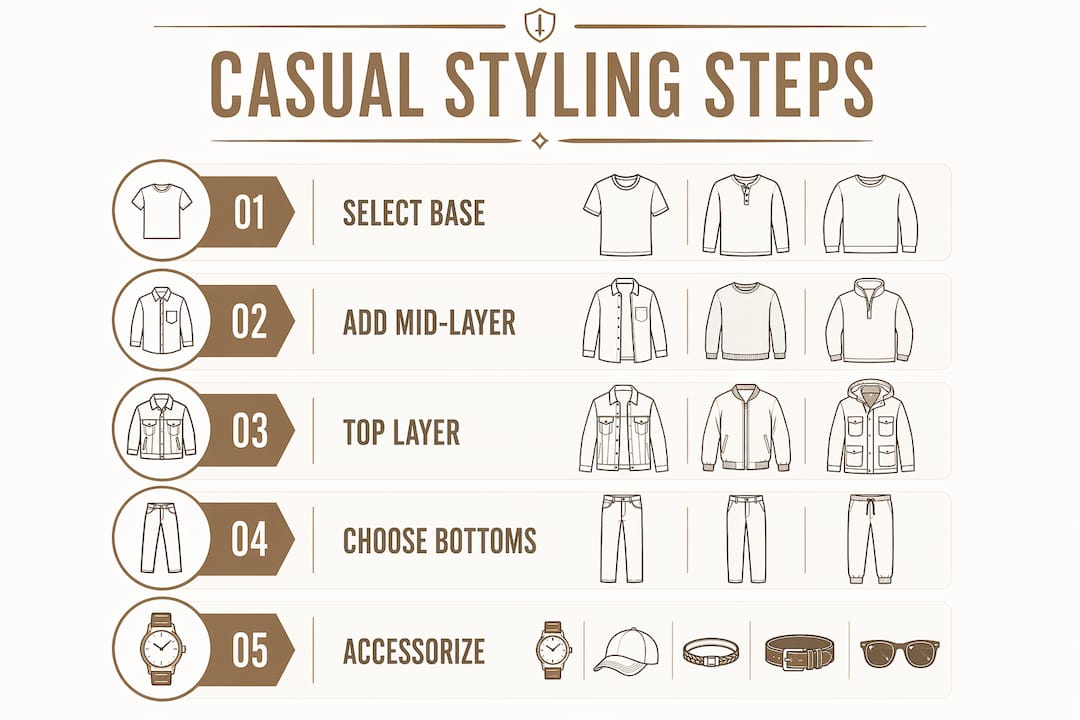
Follow this process when building an event-ready outfit:
- Start with a breathable base layer. Choose an organic cotton tee or a moisture-wicking recycled fabric top. This is your foundation and the piece most visible in warm settings.
- Add a versatile middle layer. A reversible fleece or a light denim jacket works indoors and outdoors. Reversible options double your styling options without doubling your closet space.
- Choose a removable top piece. A casual overshirt or soft blazer lets you adjust formality on the fly. Take it off at a relaxed outdoor event, keep it on for something slightly more structured.
- Select reliable bottoms. Dark jeans or chinos work for most casual events. Straight-leg cuts are the most versatile silhouette across body types and settings.
- Finish with ethical footwear. Clean leather sneakers, canvas shoes, or low-profile boots made by brands with transparent supply chains complete the look without contradicting your values.
A practical layering system uses a breathable base, a reversible middle layer, and a removable top piece to adapt to indoor and outdoor environments. This system keeps your purpose-driven pieces focal while handling any temperature or setting shift.
The most reliable outfit formula for men is dark jeans or chinos, a crisp tee or polo, and a lightweight overshirt or casual jacket. For women, straight-leg jeans paired with a knit top and a denim jacket or soft blazer covers nearly every casual event scenario. These formulas are repeatable, which means you spend less mental energy getting dressed and more time showing up with confidence.
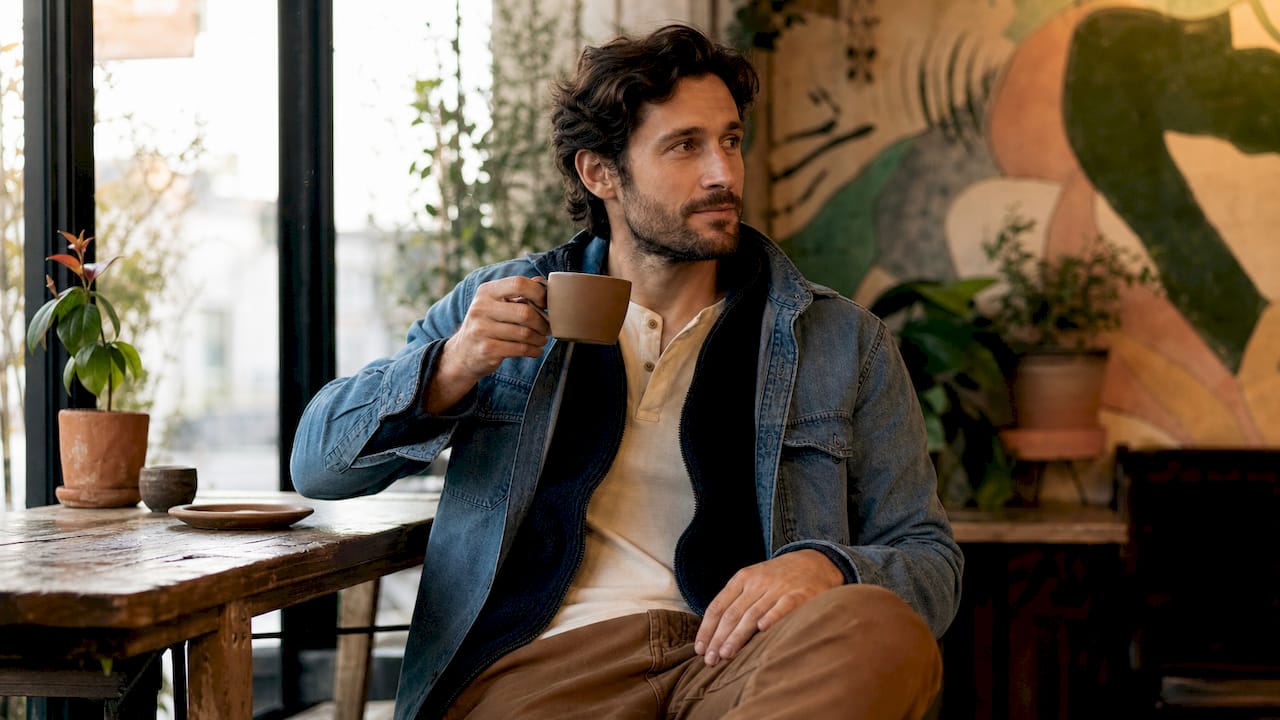
Pro Tip: Build two or three go-to outfit formulas and stick to them. Repeatable formulas reduce decision fatigue and stop impulse purchases before they start.
Comparing outfit approaches for casual events
| Approach | Best For | Limitation |
|---|---|---|
| Layered system (base, mid, top) | Mixed indoor/outdoor events | Requires 3 quality pieces upfront |
| Single statement piece + neutrals | Relaxed, low-key gatherings | Less adaptable to temperature changes |
| Capsule formula (jeans + tee + jacket) | Recurring casual events | Can feel repetitive without accessories |
| Values-branded tee + clean bottoms | Community or cause-based events | Depends on strong brand messaging |
What do textile certifications mean for sustainable casual outfits?
Textile certifications are the most reliable way to verify sustainability claims on casual wear. Without them, “eco-friendly” is just a marketing phrase. With them, you have a specific, verifiable standard to hold brands accountable.
The three certifications you need to know are:
- GOTS (Global Organic Textile Standard): Covers the entire processing chain from fiber to finished garment. GOTS requires at least 70% certified organic fibers for a “made with organic” label and 95% for the full “organic” grade. It also covers labor practices, which OEKO-TEX does not.
- OEKO-TEX Standard 100: Tests the finished textile for harmful substances like pesticides, heavy metals, and formaldehyde. It does not certify farming or labor conditions. A garment can carry OEKO-TEX certification and still be made in poor labor conditions.
- Responsible Wool Standard (RWS): Focuses specifically on animal welfare and land management in wool production. If you wear wool-blend casual pieces, RWS is the label to look for.
Certification literacy is critical because different certifications cover different sustainability aspects. Assuming one label covers everything is a common and costly mistake. A practical three-step check helps: Is this a process certification like GOTS? Is it a product safety certification like OEKO-TEX? What grade threshold applies?
End-of-life considerations matter too. Circular fashion models recover textile waste, regenerate fibers, and offer repair or take-back programs to extend product life. Italian brand Rifò, for example, recycled thousands of kilograms of textile waste into new garments, showing that circular principles work at scale.
Compostable fashion is a growing trend, but practical limits around composting infrastructure and certification gaps mean recycling is often the more realistic end-of-life pathway for most consumers. Know what options exist in your area before treating compostability as a selling point.
How do you build a versatile purpose-driven casual wardrobe?
A purpose-driven wardrobe is not a collection. It is a system. The capsule wardrobe model is the most effective framework for building one that actually works across recurring casual events.
Building a capsule wardrobe with 5–7 hero pieces worn over a two-week cycle reduces impulsive, wasteful shopping and supports a cohesive personal style. That number is not arbitrary. It is enough variety to avoid outfit fatigue while keeping your closet manageable and intentional.
Start with these core pieces:
- 2 quality tees in neutral or values-expressive designs (think Moderndayknightco’s message-driven graphics)
- 1 reliable fleece or midlayer in a versatile color like navy, olive, or charcoal
- 1 pair of dark jeans and 1 pair of chinos for bottom variety
- 1 casual jacket or overshirt that layers over everything
- 1 pair of clean, versatile shoes that work across settings
Eco-streetwear wardrobe formulas built around strong tees, fleece, reliable pant fits, and versatile outerwear are designed for frequent wear. Frequent wear is the point. The more you wear each piece, the lower its environmental cost per use and the stronger its value as an investment.
After wearing your hero pieces through a full two-week cycle, identify genuine gaps before buying anything new. This gap-filling strategy stops reactive shopping and keeps your wardrobe aligned with your actual lifestyle, not an idealized version of it.
Prioritizing a few high-use staples styled in repeatable formulas has greater real sustainability impact than occasional sustainable purchases. One well-worn organic cotton tee beats five “eco” impulse buys every time.
Pro Tip: After your two-week wear cycle, photograph the outfits you reached for most. Those are your real hero pieces. Build around them, not around what looks good on a hanger.
Key takeaways
Purpose-driven casual dressing works best as a repeatable system built on ethical materials, certification literacy, and a small set of versatile hero pieces worn with intention.
| Point | Details |
|---|---|
| Define before you buy | Purpose-driven fashion combines ethics, sustainability, and personal expression into every garment choice. |
| Use repeatable outfit formulas | Dark jeans, a quality tee, and a layerable jacket cover nearly every casual event scenario. |
| Know your certifications | GOTS covers the full production chain; OEKO-TEX covers chemical safety only. Never assume one label covers all. |
| Build a 5–7 piece capsule | A small set of hero pieces worn on a two-week cycle reduces waste and sharpens personal style. |
| Wear more, buy less | Frequent wear of quality staples delivers greater sustainability impact than occasional ethical purchases. |
What i’ve learned about dressing with purpose at casual events
Here is the honest truth: most people overthink purpose-driven fashion. They spend hours researching certifications and end up paralyzed at checkout. I have been there. The shift that actually worked for me was treating my wardrobe as a decision system, not a collection of individual choices.
The outfit formula approach changed everything. Once I locked in two or three reliable combinations for casual events, I stopped second-guessing and started showing up with real confidence. The clothes became a reflection of my values, not a source of stress.
Certifications matter, but they are a filter, not a finish line. I use GOTS and OEKO-TEX as a starting point to narrow my options. Then I look at the brand’s actual story. A veteran-owned brand like Moderndayknightco, built around integrity and loyalty, tells me something about the people behind the product that no label can fully capture.
The hardest mindset shift is viewing clothes as investments rather than consumables. A quality tee that you wear 50 times and feel proud of every time is worth ten times more than a cheap one you forget about after three washes. That is not just sustainability. That is self-respect in fabric form.
My advice: start small. Pick two hero pieces that genuinely represent who you are. Wear them everywhere. Build from there. The wardrobe you want is not built in one shopping session. It is built one intentional choice at a time.
— Modern
Wear what you stand for with Moderndayknightco
Moderndayknightco is a veteran-owned apparel brand built on integrity, loyalty, and strength. Every piece in the collection carries a message worth wearing. The Army Brat Hoodie and Army Brat Tee are designed for exactly the kind of casual events this guide covers: comfortable, values-expressive, and built to be worn repeatedly without losing their meaning or their shape.
If you are building a purpose-driven casual wardrobe, start with pieces that say something real. Browse the full apparel collection at Moderndayknightco and find the pieces that match your code of honor.
FAQ
What is purpose-driven fashion?
Purpose-driven fashion is clothing that combines ethical production, sustainable materials, and personal values into intentional garment choices. It prioritizes quality, fit, and lifecycle over trend-chasing or impulse buying.
What should i wear to a casual event?
The most reliable formula is dark jeans or chinos, a quality tee or polo, and a lightweight jacket or overshirt. A layered system with a breathable base and a removable top piece adapts to any indoor or outdoor casual setting.
What does GOTS certification mean on casual wear?
GOTS requires at least 70% certified organic fibers for a “made with organic” label and 95% for the full “organic” grade. It also covers labor and processing standards throughout the entire supply chain.
How many pieces do i need in a capsule wardrobe?
A capsule wardrobe of 5–7 hero pieces worn over a two-week cycle is enough to cover most casual event scenarios while reducing wasteful shopping. Fill gaps mindfully after each wear cycle rather than buying reactively.
Is oeko-tex the same as GOTS?
No. OEKO-TEX Standard 100 tests finished textiles for harmful substances but does not certify farming or labor practices. GOTS covers the full production chain. Both certifications serve different purposes and should be evaluated separately.


