



Clothing that reflects personal principles is any apparel consciously chosen to embody your core values, beliefs, and identity. This goes far beyond aesthetics. What you wear signals affiliation and identity continuously in every social interaction, not just on special occasions. For veterans, people of faith, and anyone committed to living with integrity, the wardrobe becomes a daily declaration. Moderndayknightco was built on exactly this idea: that every piece you put on should mean something.
1. How to identify your core values to guide wardrobe alignment
Values-based wardrobe alignment starts with a values inventory, not a shopping cart. Write down your top five personal principles. Common examples include loyalty, faith, service, sustainability, and integrity. These five words become your filter for every clothing decision going forward.
Once you have your list, audit what is already in your closet. Hold each item and ask one question: does this reflect who I am? If the answer is no, it goes. This process feels uncomfortable at first, but it produces clarity fast.
- Pull every item out and sort into three piles: aligned, neutral, and discard.
- Keep aligned pieces regardless of trend status.
- Donate or sell discard items rather than letting them sit unused.
- Replace neutral items gradually with pieces that carry meaning.
Starting with a shopping trip before completing this audit almost always fails. You end up buying symbols without substance. The audit forces honesty.
Pro Tip: Write your five core values on a card and keep it in your wallet. Check it before any clothing purchase.
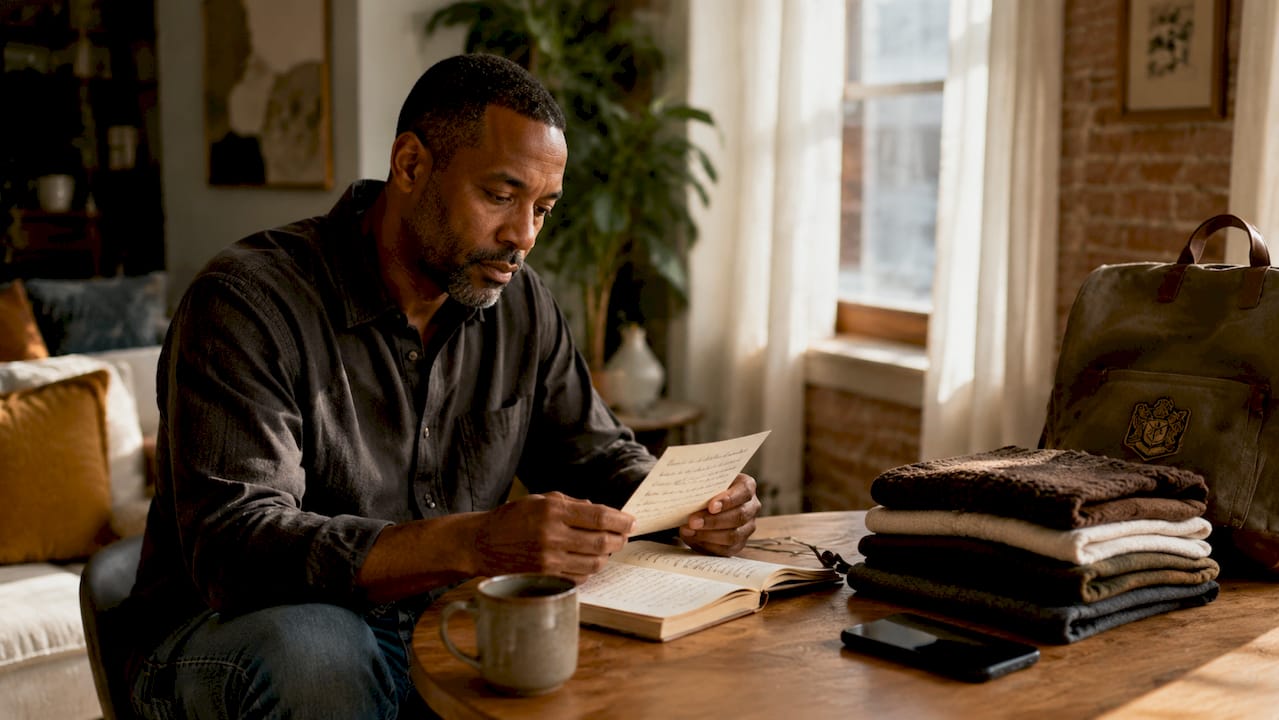
Emotional durability is the concept that ties this together. People with deep emotional connections to their garments wear and repair them far longer than trend-driven shoppers do. That attachment is not sentimentality. It is a direct result of buying with intention.
2. Selecting ethical and sustainable materials that match your principles
Ethical fashion choices require more than good intentions. You need third-party verification. Three certifications stand above the rest for anyone serious about sourcing responsibly.
| Certification | What It Covers | Who Issues It |
|---|---|---|
| Fair Labor Code | Factory-level labor compliance and external assessments | Fair Labor Association |
| SA8000 | Freedom of association, discrimination, health and safety | Social Accountability International |
| Textile Exchange CCS | Chain-of-custody verification for sustainable material claims | Textile Exchange |
The Fair Labor Association’s Fair Labor Code requires member brands to conduct independent factory assessments and implement improvements. That means a brand carrying this certification has been checked, not just self-reported. The SA8000 certification program goes further, applying international labor and human rights conventions through a management system built for continuous improvement.
For sustainable materials specifically, the Textile Exchange Content Claim Standard provides a chain-of-custody framework that tracks certified materials from raw input to finished product. This is how you separate real sustainability claims from marketing language.
- Look for these certifications on brand websites and product labels.
- Search the Fair Labor Association’s member directory to verify brand status.
- Check Textile Exchange’s licensed user list for CCS-certified suppliers.
Secondhand and vintage clothing also align with sustainability principles by extending garment life and reducing environmental impact. Thrifting is not a compromise. For many value-driven shoppers, it is the most consistent choice available.
Pro Tip: Before buying from a new brand, search their name alongside “SA8000” or “Fair Labor Association” to find independent verification quickly.
3. Expressing faith and personal identity through clothing
Faith expression through clothing has deep roots. Clothing appears over 100 times in the Bible with symbolic meanings tied to mercy, dignity, and grace. Catholic author Mary Harper frames dressing as “putting on Christ,” treating the daily act of getting dressed as a spiritual witness rather than a routine.
“God wants to cover us in robes of grace.” — Mary Harper, Catholic fashion writer
That framing changes everything about how you approach your wardrobe. Dressing becomes identity affirmation. Each choice either reinforces or contradicts who you say you are.
Practical ways to incorporate faith into your daily wardrobe include:
- Wear one piece each day that carries a scripture reference, cross symbol, or faith-based message.
- Choose modest, dignified cuts that reflect your convictions about the body.
- Select colors and styles that feel intentional rather than reactive to trends.
- Start with one meaningful statement piece and build outward from there rather than overhauling everything at once.
The statement piece approach works because it creates a daily repeated declaration. You are not making a one-time purchase. You are building a habit of identity alignment through what you wear.
4. Military-inspired apparel: symbolism, discipline, and values in dress
Military uniforms are among the most codified clothing systems ever created. They function as visual representations of hierarchy, discipline, and the clear distinction between combatants and civilians. Every rank insignia, color choice, and cut carries institutional meaning. That is not accidental. It is the result of centuries of deliberate design.
For veterans and supporters of military communities, civilian military-inspired apparel can carry those same values of order, loyalty, and service into everyday life. The key is wearing it with intention rather than as costume.
| Approach | Best For | What It Communicates |
|---|---|---|
| Branch-specific insignia | Veterans and active-duty families | Direct service identity and pride |
| General military aesthetic | Supporters and civilians | Respect for service and discipline |
| Values-based messaging | Anyone aligned with military ideals | Principles like honor, loyalty, strength |
Moderndayknightco builds its entire line around this third approach. The brand’s apparel carries messaging rooted in integrity and loyalty, making it accessible to veterans and civilians alike without requiring a service record to wear authentically.
- Choose pieces with messaging that matches your actual values, not just the look.
- Pair military-inspired items with everyday clothing to keep the expression grounded.
- Understand the symbolism of any insignia before wearing it publicly.
- Support veteran-owned brands when possible to keep your purchase aligned with your values.
5. Comparing value-driven wardrobe approaches: which fits your life?
Not every approach works for every person. Your lifestyle, budget, and daily context all shape which value-driven wardrobe strategy holds up over time.
| Approach | Daily Practicality | Budget Range | Best Occasion Fit |
|---|---|---|---|
| Sustainability focus | High | Low to medium | All occasions |
| Ethical labor focus | High | Medium to high | All occasions |
| Faith expression | High | Low to high | Daily and community |
| Military-inspired values | Medium | Medium | Casual and community |
Sustainability and ethical labor approaches work across every occasion because they are built into the fabric and sourcing of the garment. You do not have to think about it once the purchase is made. Faith and military-inspired approaches require more intentionality in styling, particularly in professional settings.
Emotional durability intersects with all four approaches. When you buy a piece because it reflects your values, you keep it longer. That behavior reduces waste regardless of which value system drives the choice. The purposeful lifestyle clothing checklist from Moderndayknightco offers a practical framework for mixing these approaches without losing coherence.
Mixing principles works well when the underlying values align. A veteran who also prioritizes sustainability can wear military-inspired apparel from ethical brands. Faith and military values overlap significantly around concepts of service, sacrifice, and dignity. Build from the overlap, not the differences.
Key takeaways
Clothing that genuinely reflects your personal principles requires a values inventory first, followed by a wardrobe audit, ethical sourcing verification, and intentional daily choices.
| Point | Details |
|---|---|
| Start with a values inventory | Write your top five principles before buying anything new. |
| Audit before you shop | Assess existing clothes for alignment before adding new pieces. |
| Verify ethical claims | Look for Fair Labor Association, SA8000, or Textile Exchange CCS certifications. |
| Use emotional durability | Buy pieces you love and will repair, not just wear once. |
| Match approach to lifestyle | Sustainability, faith, and military-inspired values can coexist in one wardrobe. |
What I have learned about wearing your values every day
Most people approach this backward. They see a shirt with a powerful message and buy it hoping it will make them feel aligned. It rarely does. The feeling comes from the inventory first, the purchase second. When you know your values clearly, the right piece finds you. You stop second-guessing at the checkout.
I have seen this play out repeatedly with veterans building post-service wardrobes. The uniform gave them a daily identity. Without it, the wardrobe feels directionless. Military-inspired apparel fills that gap, but only when it carries real meaning. A generic camo print does nothing. A piece built around loyalty, strength, and honor does everything.
The concept of emotional durability changed how I think about sustainable style. It is not about buying the most ethical fabric. It is about buying something you will wear for ten years because it means something to you. Those two things often overlap, but the emotional connection is the engine.
My honest recommendation: do the values inventory before you spend a single dollar. It takes twenty minutes and it will save you years of buying things that feel hollow. Then find brands that share your code. Moderndayknightco exists for exactly that reason.
— Modern Day Knight
Apparel built on a code of honor
Moderndayknightco is a veteran-owned brand that puts values before aesthetics on every piece it makes. The full apparel collection is built around integrity, loyalty, and strength, making it a natural fit for veterans, military families, and anyone who wants their wardrobe to carry real meaning.
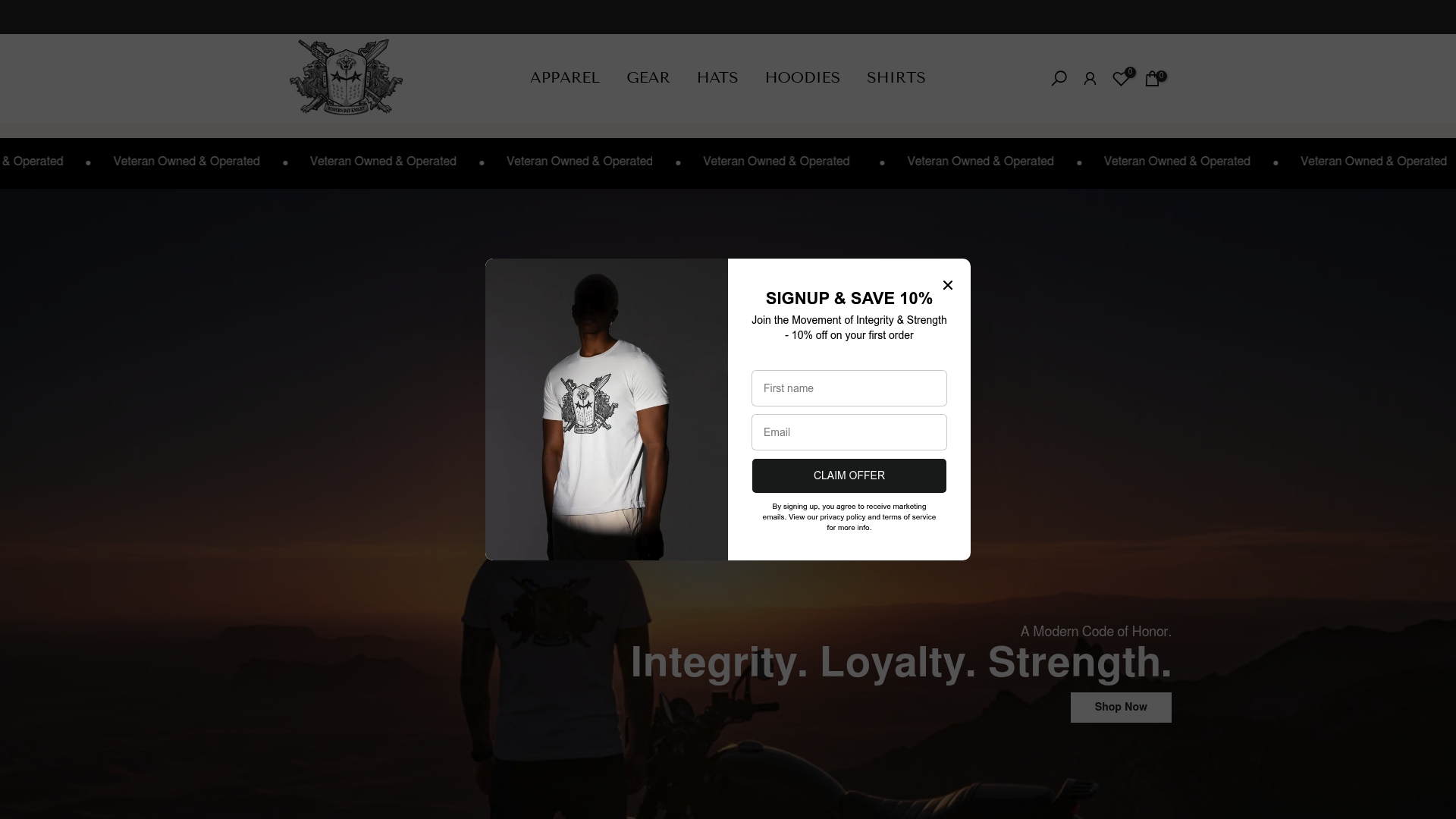
The Army Brat Hoodie and Army Brat Tee honor military family identity directly. These are not fashion statements. They are declarations. Every piece in the collection is designed to be worn with purpose, not just style. If your wardrobe should reflect who you are, this is where you start.
FAQ
What does clothing that reflects personal principles mean?
Clothing that reflects personal principles is apparel consciously chosen to express your core values, beliefs, and identity rather than just current trends. It turns your wardrobe into a daily statement of who you are.
How do I start aligning my wardrobe with my values?
Start with a top-five values inventory, then audit your current clothes for alignment before buying anything new. This process produces more authentic results than shopping for symbols first.
What certifications should I look for in ethical clothing brands?
Look for the Fair Labor Association’s Fair Labor Code, SA8000 from Social Accountability International, and the Textile Exchange Content Claim Standard. These three certifications provide independent, third-party verification of labor and material claims.
Can military-inspired clothing express personal values authentically?
Yes. Military uniforms are built to communicate hierarchy, discipline, and identity, and civilian apparel drawing on those elements can carry the same values when worn with intention. Veteran-owned brands like Moderndayknightco design specifically for this purpose.
What is emotional durability in fashion?
Emotional durability describes the deep connection between a person and a garment that motivates longer use and willingness to repair rather than replace. Buying with intention creates this connection and directly reduces fast fashion consumption.


