



A fleece hoodie is any hoodie with a brushed, napped interior pile that traps warm air while the outside stays smooth. If you need a layering piece, go micro or midweight fleece. For everyday wear and printed designs, cotton-poly sweatshirt fleece wins. For serious cold, sherpa or high-loft polar fleece delivers the most warmth per pound. Every choice comes down to three things: construction, fiber, and weight.
TL;DR:
- Heavier fleece does not always mean better; a well-constructed midweight cotton-poly hoodie can outperform a cheaper heavyweight polyester hoodie in comfort and durability.
- Fabric construction, especially whether fleece is brushed or has uncut loops like French terry, has a greater impact on warmth and breathability than GSM weight alone.
- High-loft and sherpa fleece deliver superior warmth-to-weight ratios by creating thermal air pockets, often outperforming standard fleece at similar GSM levels.
- Moisture management varies: polyester fleece dries quickly and resists water absorption, while cotton fleece absorbs moisture and feels heavy when damp.
- To ensure longevity and proper fit, prioritize quality construction and fiber blend details, and check for anti-pill finishes to slow pilling over time.
Table of Contents
- Hoodie Fleece Types: The Main Families and How They Feel
- Fleece vs. French Terry Hoodie: Why Construction Beats the Label
- How to Choose Fleece Hoodies: A Step-by-Step Checklist
- Hoodie Pilling Prevention: Care Tips That Actually Work
- Reading Product Pages the Right Way
- Durability and Longevity: Which Fleece Lasts Longest
- Moisture and Drying: How Each Fleece Type Handles Sweat and Rain
- Breathability by Activity Level
- Skin Sensitivity and Allergy Considerations
- Stretch and Fit: How Blends Change the Way a Hoodie Wears
- Cost, Quality, and Value Across Fleece Types
- What Actually Matters When You’re Choosing a Fleece Hoodie
- Shop Fleece Hoodies Built Around What You Stand For
- Sources
- FAQ
Hoodie Fleece Types: The Main Families and How They Feel
Every fleece hoodie starts with the same basic idea: a raised, brushed interior pile traps a layer of warm air against your skin while the outer face stays relatively smooth. What changes from one hoodie to the next is the fiber running through that pile and the weight of the fabric itself. Those two variables decide almost everything about how a hoodie feels, breathes, and holds up over years of wear.
Cotton fleece is the classic sweatshirt material, usually built at a midweight in the 260 to 320 GSM range that lands right in the ThreeLayer sweet spot for everyday hoodies. It feels soft, breathes decently, and takes screen printing and embroidery cleanly, which is exactly why so many message-driven hoodies use it. The tradeoff: cotton absorbs moisture rather than moving it away from your skin, so it takes longer to dry and can feel heavy when it’s damp.
Polyester (polar) fleece is the synthetic workhorse. It resists moisture, dries fast, and holds its shape wash after wash. Polartec built an entire naming system around this fiber, organizing synthetic fleece into Micro, 100, 200, and 300 weight categories that scale from featherlight layering fabric up to heavy winter insulation. Polyester fleece pills more readily than cotton unless it carries an anti-pill finish, but it’s the go-to choice when warmth-to-weight matters more than natural fiber feel.
Cotton-poly blends split the difference. You get cotton’s softness and printability with polyester’s durability and faster drying time. Most everyday hoodies on the market, including a large share of what you’ll find in mainstream sweatshirt fleece lines, use some version of this blend, often in a 60/40 or 80/20 cotton-to-poly ratio.
Microfleece is thin, lightweight, and built for layering rather than standalone warmth. It’s the fabric you want under a shell jacket or packed in a bag for unpredictable weather, since it compresses down to almost nothing.
Sherpa and high-loft fleece are the heavyweight end of the spectrum. Sherpa mimics a shearling texture with a dense, curly pile, while high-loft fleece uses longer, less-compressed fibers to trap more air per square inch. Polartec describes its High Loft fabric as engineered specifically to create thermal air pockets, which is how it achieves more insulation without piling on extra fabric weight.
Recycled rPET fleece is made from reprocessed plastic, most commonly recycled water bottles, spun into polyester yarn. It performs almost identically to virgin polyester fleece in feel and function. The catch is verification: sustainability claims on recycled content need certification like the Global Recycle Standard behind them, not just a vague “eco-friendly” label on a tag.
Here’s a quick reference for what each type actually feels like and where it belongs in your closet:
- Cotton fleece: soft, breathable, moisture-absorbing; best for casual everyday hoodies and printed graphics.
- Polyester fleece: durable, fast-drying, warm for its weight; best for active use and cold-weather layering.
- Cotton-poly blend: balanced feel and performance; best all-around choice for daily wear.
- Microfleece: thin, packable, low-bulk; best as a layering piece under jackets.
- Sherpa/high-loft: thick, plush, maximum insulation; best for standalone winter outerwear.
- Recycled rPET: performs like standard polyester; best for shoppers prioritizing verified sustainability.
Pro Tip: Check the product description for the word “anti-pill” or “brushed and sheared” finish. These treatments trim loose fiber ends before the garment ships, which meaningfully slows how fast a polyester or blend hoodie starts to look worn.
One buying signal worth remembering: heavier isn’t automatically better. A well-built midweight cotton-poly hoodie in the 280 GSM range can outperform a cheaply knit 350 GSM polyester hoodie in both comfort and lifespan, because weight only tells you fabric density, not fiber quality or construction.
Fleece vs. French Terry Hoodie: Why Construction Beats the Label
Marketing terms like “premium fleece” or “sweatshirt fleece” tell you almost nothing useful. What actually determines how a hoodie performs is its knit construction, and that comes down to one simple visual difference: brushed pile versus uncut loops.
Fleece gets its warmth from a brushing (or napping) process that raises and separates the fibers on one face of the knit, creating a fuzzy surface that traps still air. French terry, by contrast, keeps its interior loops intact and uncut. Those loops make French terry more breathable than brushed fleece, but they also mean less trapped air and less warmth for the same fabric weight. If you’ve ever wondered why one hoodie feels cozy and dense while another feels light and airy despite looking similar from the outside, this is almost always the reason.
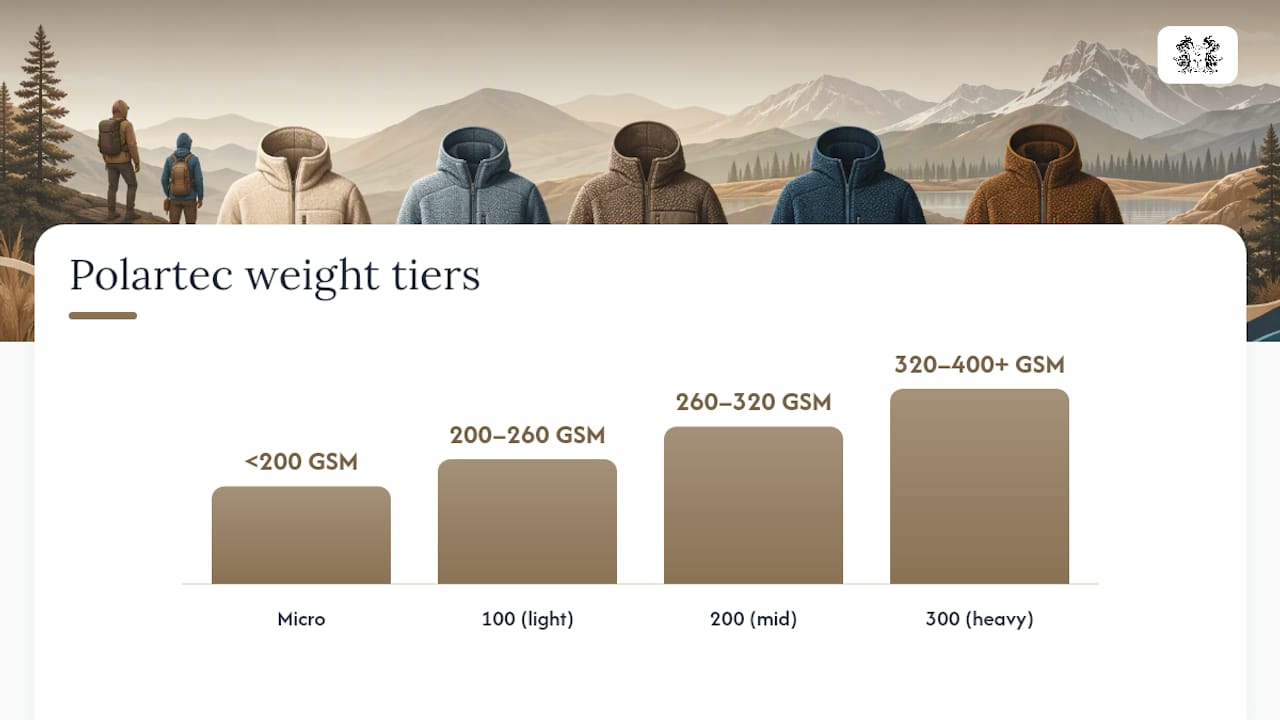
Weight is the second variable, and Polartec’s four-tier system gives shoppers a useful mental model even outside Polartec-branded gear:
| Category | Typical use | Approx. GSM/oz equivalent |
|---|---|---|
| Micro | Ultralight layering, travel | Under 200 GSM |
| 100 | Light layering, mild weather | 200 to 260 GSM |
| 200 | Everyday hoodie, cool weather | 260 to 320 GSM |
| 300 | Heavy winter outerwear | 320 to 400+ GSM |
That midweight band of 260 to 320 GSM covers most everyday hoodies you’ll encounter, while true winter pieces push past 400 GSM.
High-loft construction complicates the simple “heavier equals warmer” assumption. By engineering longer, less-compressed fibers, high-loft fleece creates thermal air pockets that boost warmth-to-weight ratio without just piling on more mass. A high-loft hoodie can feel warmer than a denser, heavier standard fleece, which is why GSM alone is an incomplete way to judge a garment.
- Brushed/napped pile: warmer, less breathable, common in standard fleece hoodies.
- Uncut loop (French terry): more breathable, lighter warmth, common in athleisure and spring pieces.
- High-loft: better warmth-to-weight than standard fleece at the same GSM.
- Anti-pill and Shed-Less finishes: extend visual lifespan but don’t change the base warmth profile.
How to Choose Fleece Hoodies: A Step-by-Step Checklist
Choosing the right hoodie fleece type stops being confusing once you work through it in order rather than judging by feel alone.
- Decide your warmth target first. Are you layering under a coat, wearing this as your main daily hoodie, or replacing a jacket entirely?
- Check the listed GSM or Polartec weight. Under 200 GSM (or Micro) means light layering. 260 to 320 GSM (or the 200 series) covers everyday use. Past 400 GSM (or 300 series) means serious cold-weather insulation.
- Inspect interior construction in photos. Visible loops suggest French terry behavior; a uniform fuzzy nap suggests brushed fleece and higher insulation.
- Settle your fiber preference. Cotton for natural feel and printability, polyester for durability and moisture resistance, recycled rPET if certified sustainability matters to you.
- Confirm decoration needs. If the hoodie carries a printed or embroidered design you care about, cotton and cotton-poly blends hold ink and stitching more cleanly than slick polyester fleece.
As a rule of thumb: sweatshirt fleece for anything with a print or message you want to last, polar or high-loft fleece for genuine outerwear use, and microfleece when packability matters more than standalone warmth.
Pro Tip: When shopping online, zoom into any close-up interior shot before you buy. Loops mean French terry, a fuzzy uniform texture means fleece, and that single detail tells you more about real-world warmth than the product title ever will.
Hoodie Pilling Prevention: Care Tips That Actually Work
Pilling happens when loose fiber ends on a lofted surface rub against each other, tangle, and ball up. It’s a mechanical friction problem, not a sign of a defective garment, and it affects every brushed fleece to some degree.
A few habits slow it down considerably:
- Wash fleece hoodies inside out on a cold or warm cycle, never hot.
- Skip fabric softener on synthetic and blend fleece since it can coat fibers and actually increase friction over time.
- Air dry when possible, or tumble dry on low heat to avoid overworking the fibers.
- Wash fleece separately from rougher fabrics like denim or towels that accelerate abrasion.
Anti-pill finishes reduce the rate of pilling by trimming loose fibers before the garment ships, but they don’t eliminate it permanently, especially at high-friction points like underarms and cuffs. A little pilling over time on a heavily worn hoodie is normal and doesn’t mean the fabric failed. For stubborn pills, a fabric shaver on the lowest setting removes them safely without damaging the base knit.
Pro Tip: Turn fleece hoodies inside out before every wash. It protects the brushed pile from direct friction with the washer drum and other garments, and it’s the single easiest habit for keeping the interior looking newer, longer.
Reading Product Pages the Right Way
Understanding fleece types only helps if you can verify them before you buy, which is where product page details matter more than most shoppers realize. The brand is built around a code of honor centered on integrity, loyalty, and strength, and that same directness can carry into how products get described.
Every hoodie product page lists material composition and care instructions, so you can confirm fiber content and weight before checkout rather than guessing from a photo alone. The size guide uses 2-inch chest steps specifically to cut down on returns caused by sizing between standard breaks. That level of detail matters because fit interacts directly with warmth: a hoodie sized too loose won’t trap air as effectively.
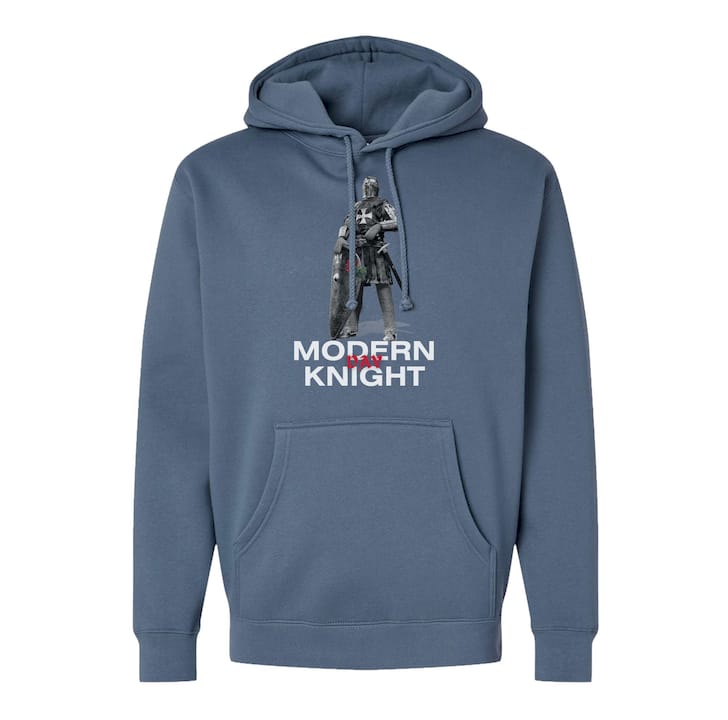
If you’re comparing fleece types across the hoodie collection, start with the listed fabric weight and construction notes before you look at design. The values on the front matter, but the fleece underneath is what you’ll actually feel every day.
Durability and Longevity: Which Fleece Lasts Longest
Fiber choice and construction quality decide how a fleece hoodie ages, and the two don’t always move together. Polyester fleece resists stretching, shrinking, and moisture damage better than cotton over years of washing, which is why it dominates performance and outdoor gear. Cotton fleece, left untreated, tends to shrink slightly in early washes and can lose loft faster under repeated heat exposure from dryers.
Cotton-poly blends often land in the middle ground for longevity, borrowing polyester’s shape retention while keeping enough cotton to avoid the static and sheen that pure synthetic fleece sometimes develops with age.
Construction quality frequently matters more than fiber alone. A tightly knit midweight fleece with good yarn twist and an anti-pill finish will outlast a loosely knit heavyweight fleece, even at a lower GSM. That’s a point worth remembering when a “heavier” hoodie seems like the safer buy. High-loft and sherpa fleece, because of their longer pile fibers, tend to show wear at friction points like cuffs and underarms sooner than tightly brushed standard fleece, simply because there’s more exposed fiber to catch and tangle.
If you’re buying for years of regular wear rather than occasional use, prioritize a well-constructed midweight blend over either extreme.
Moisture and Drying: How Each Fleece Type Handles Sweat and Rain
Fleece fabrics handle moisture in genuinely different ways, and this matters more than most shoppers expect once weather or activity gets involved. Polyester fleece doesn’t absorb water into the fiber itself. Moisture sits on the surface and evaporates quickly, which is why polyester and polyester-blend fleece dominates active and outdoor-oriented gear.
Cotton fleece works the opposite way. Cotton fibers absorb moisture readily, which feels comfortable in dry, cool conditions but becomes a real drawback in rain or heavy sweat, since a soaked cotton hoodie stays wet and heavy for hours. Cotton-poly blends inherit a partial version of both traits: some moisture absorption from the cotton content, faster evaporation than pure cotton thanks to the polyester share.
Microfleece and high-loft polyester fleece dry fastest of all the common types, a big reason they show up in travel and layering pieces meant to handle unpredictable conditions. Recycled rPET fleece behaves identically to virgin polyester on this front since the fiber structure doesn’t change through the recycling process.
If quick drying matters for your use case, whether that’s an outdoor commute, workouts, or unpredictable weather, lean polyester or blend over pure cotton. If you’re mostly wearing your hoodie indoors or in dry cold, cotton’s moisture behavior is a non-issue.
Breathability by Activity Level
How much airflow a fleece hoodie needs depends entirely on what you’re doing while wearing it, and this is where construction and fiber choice intersect most directly. Brushed fleece, with its dense trapped-air structure, sacrifices breathability for warmth. That’s ideal for low-activity situations like sitting outside, running errands, or lounging, where you want heat retention and don’t need the fabric to vent excess body heat.
Higher-activity use tells a different story. French terry’s uncut loops allow more airflow through the fabric, which is exactly why it shows up more often in athleisure and gym-adjacent pieces than dense brushed fleece does. If you’re hiking, working out, or doing anything that raises your heart rate for extended periods, a heavier brushed fleece hoodie can trap heat and moisture against your skin uncomfortably.
Microfleece splits this difference reasonably well. It’s thin enough to breathe better than midweight or heavyweight fleece while still offering more warmth than a plain cotton tee, which is part of why it works so well as an active layering piece rather than a standalone heavy garment.
The practical rule: match breathability to activity level, not just to outdoor temperature. A 40-degree hike calls for a different fleece than a 40-degree afternoon on the couch, even though the air temperature is identical.
Skin Sensitivity and Allergy Considerations
Fleece fabrics rarely cause true allergic reactions, but sensitive skin can react differently to natural versus synthetic fiber content, and it’s worth knowing which type fits your skin before committing to a hoodie you’ll wear against bare arms or neck.
Cotton fleece tends to be the gentlest option for sensitive skin since it’s a natural, breathable fiber with minimal static buildup. It’s also a common recommendation for people prone to skin irritation from synthetic fabrics.
Polyester fleece, while generally safe, can trap heat and moisture against skin more than cotton, which occasionally aggravates conditions like eczema in people already prone to flare-ups from friction and humidity. Fabric softeners and certain dye processes used in synthetic fleece manufacturing are more likely culprits behind reported irritation than the polyester fiber itself.
Cotton-poly blends generally sit safely in between, offering enough natural fiber content to reduce the synthetic-only concerns while still gaining some of polyester’s durability.
If you have known sensitivities, a higher cotton percentage in the blend and a fragrance-free, dye-light finish are the two details worth checking on any product page before buying, more so than the fleece category itself.
Stretch and Fit: How Blends Change the Way a Hoodie Wears
Fiber blend composition has a real, noticeable effect on how a fleece hoodie moves and fits, beyond just warmth and feel. Pure cotton fleece has the least natural stretch of the common fleece types, which means it holds its shape well but can feel restrictive across the shoulders or during reaching movements.
Polyester fleece typically has more inherent give than cotton, since synthetic fibers flex without the same fatigue cotton shows over repeated stretching.
High-loft and sherpa fleece behave differently again. Their thicker, longer pile adds bulk that can make a true-to-size fit feel snugger than the same size in a lighter fleece, which is worth factoring in if you plan to layer something underneath.
Fit and fleece choice aren’t separate decisions. A hoodie with some stretch content forgives sizing imperfections better than a rigid, all-cotton construction, so checking the fiber blend percentage on the product page tells you almost as much about comfort as the fleece category does.
Cost, Quality, and Value Across Fleece Types
Price differences between fleece types generally track raw material cost and manufacturing complexity rather than warmth alone, and understanding that relationship helps you avoid overpaying for marketing rather than actual fabric quality.
Polyester fleece is typically the least expensive to produce at scale, since synthetic fiber production costs less than growing and processing cotton. Cotton and cotton-poly blends usually cost more per yard, with the price climbing as the cotton percentage increases, since cotton fiber itself carries a higher raw material cost than polyester.
High-loft and sherpa fleece tend to sit at the higher end of the price range because of the additional fiber length and processing needed to create their thicker pile. Recycled rPET fleece can cost the same as or slightly more than virgin polyester, largely because certified recycling processes add verification and processing steps that virgin fiber production skips.
The real value question isn’t which fleece type costs the least. It’s whether the construction quality, finish, and fit justify the price you’re paying within that category. A modestly priced cotton-poly blend hoodie built with tight knit density and good stitching can outlast a more expensive but loosely constructed heavyweight fleece. Price tells you about materials and processing, not necessarily about how the finished garment will hold up in your closet for the next three years.
What Actually Matters When You’re Choosing a Fleece Hoodie
Most buying guides treat GSM as the single number that decides everything, and that’s the biggest misconception worth correcting here. Weight tells you fabric density, not fiber quality, not construction tightness, and not how the hoodie will actually feel three washes from now. A well-built 280 GSM cotton-poly blend will outperform a sloppily knit 380 GSM polyester hoodie almost every time.
The conventional advice to “buy heavier for winter” also oversimplifies things. High-loft construction proves that warmth-to-weight, not raw weight, is the real variable that matters. If you’re shopping for cold weather, look at loft and construction before you look at the GSM number on the tag.
What should you actually prioritize? Match construction to your activity level first, fiber to your comfort and durability needs second, and weight last. That order gets overlooked constantly, and it’s exactly backward from how most people shop. Values matter too. If the message on your chest matters to you as much as what’s keeping you warm, that’s worth factoring into the decision alongside the fabric spec sheet.
— Modern Day Knight
Shop Fleece Hoodies Built Around What You Stand For
This brand offers an alternative to generic fleece shopping: apparel where the material specifications and the message both hold up under real use. Every hoodie page lists the material and care details discussed throughout this guide, so you can confirm fleece type and fit before you buy, not after.

The Global Citizen Hoodie carries a values-driven design worth checking against the size guide before ordering, since fit changes how any fleece performs. The Modern Day Knight Old School Hoodie leans into the brand’s heritage identity, and its product page lists the same material and care details covered here. The History Matters Hoodie rounds out the lineup with another statement-driven option worth comparing on fabric weight and fit.
Browse the full hoodie collection or check GEAR, HATS, and HOODIES together, and confirm your size against the 2-inch chest-step size guide before you check out.
Sources
The Polartec weight-series and High Loft explanations in this guide draw on Polartec’s own fleece and insulation pages, which define the Micro through 300 categories referenced throughout. GSM and weight-band guidance comes from ThreeLayer’s fabric weight guide, a useful reference for translating GSM into real garment categories. Readers wanting more hoodie-specific construction examples can also look at general fleece hoodie explainer content from industry apparel guides.
FAQ
What are the different types of fleece used in hoodies?
The main types are cotton fleece, polyester fleece, cotton-poly blends, microfleece, sherpa or high-loft fleece, and recycled rPET fleece. Each varies by fiber, weight, and construction, which changes warmth, breathability, and how well it holds up over time.
What are the different types of hoodies based on fleece weight?
Hoodies generally fall into lightweight (Micro or under 200 GSM), midweight (200 series, roughly 260 to 320 GSM), and heavyweight (300 series, 400+ GSM) categories. Midweight covers most everyday hoodies, while heavyweight suits true winter outerwear.
Which type of fleece is warmest?
High-loft and sherpa fleece typically deliver the most warmth because their longer pile fibers trap more insulating air, a design Polartec engineers specifically for warmth-to-weight. Standard 300-series polar fleece comes close behind for heavy winter use.
What type of fabric is best for hoodies?
There’s no single best fabric. Cotton-poly blends suit everyday wear and printed designs, polyester fleece suits active or wet conditions, and high-loft or sherpa fleece suits serious cold. Modern Day Knight’s hoodie collection lists material details on each product page so you can match fabric to your specific use.
How much do Modern Day Knight hoodies cost?
Current pricing for hoodies is listed directly on each product page, since prices can vary by style and design.


