



Military values in modern fashion are the deliberate expression of integrity, loyalty, and strength through clothing choices, creating apparel that signals personal mission rather than trend-following. This is what the fashion industry calls purpose-driven apparel, a category that has grown well beyond camouflage prints and cargo pockets. The movement connects historical military heritage with contemporary civilian identity, and it matters most to veterans rebuilding their sense of self and to civilians who want their wardrobe to mean something. Brands like Moderndayknightco have built entire collections around this idea, proving that warrior culture inspires fashion choices that go far deeper than aesthetics.
How military values in modern fashion trace back to the battlefield
Every functional piece in your wardrobe likely has a military ancestor. Khaki field pants evolved directly into the chinos that now anchor office and casual wardrobes worldwide. The trench coat was designed for British officers in World War I. The bomber jacket started as cold-weather gear for aviators. These pieces moved from battlefield necessity to civilian style because they worked, and that utility is the foundation of military heritage fashion explained properly.
Durability drove every original design decision. Fabrics had to survive extreme conditions, repeated washing, and hard physical use. That same standard is what separates authentic military-inspired apparel from fast-fashion imitations that borrow the look without the substance. When you buy a piece built to military-grade standards, you are buying the discipline that created those standards.
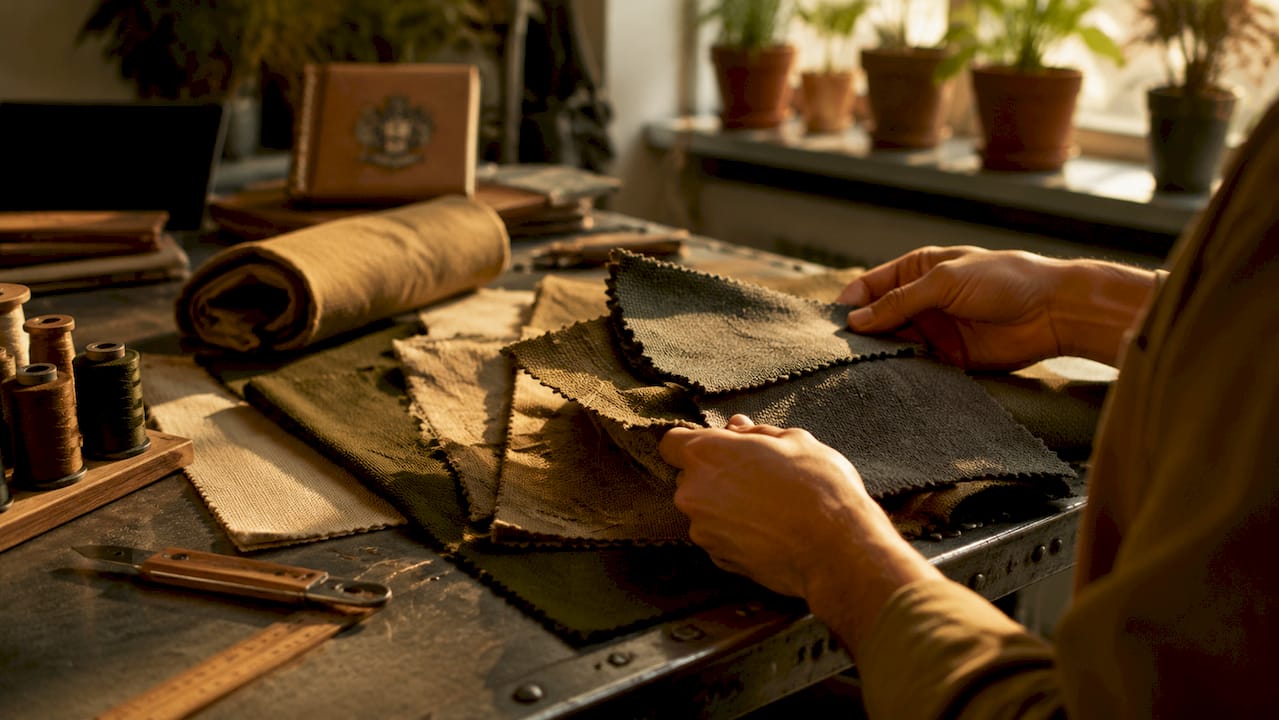
The camouflage pattern tells the clearest story about how military aesthetics cross into mainstream culture. The global camouflage market is valued at $5.3 billion and is projected to nearly double by 2033. That number reflects how deeply military visual language has embedded itself in civilian fashion, from luxury runways to streetwear drops.
Military-inspired fashion also shapes masculinity ideals and societal attitudes toward strength and service. That influence is not neutral. It carries the weight of real sacrifice, which is why understanding the origins of these garments matters before you wear them.
- Chinos and khakis: Descended from British military field uniforms worn in India and South Africa in the 19th century.
- Cargo pants: Designed for paratroopers needing extra storage during World War II operations.
- Bomber jacket: Developed for U.S. Army Air Corps pilots needing insulation at high altitude.
- Combat boots: Engineered for ankle support and terrain grip, now a staple of both workwear and streetwear.
- Field jacket: The M-65 design, introduced in 1965, became a symbol of both protest and patriotism in American civilian culture.
Pro Tip: When building a wardrobe around military heritage, start with the original silhouettes. A well-fitted chino or a structured field jacket carries more authentic weight than a printed tee with a camouflage pattern.
What do military values actually look like in clothing?
Military dress functions as a visual system for values like authority, discipline, and hierarchy. Modern purpose-driven apparel carries that same function into civilian life. The difference is that the values are now chosen rather than assigned.
Fabric choice is where authentic military values show up most clearly. Military-standard fabric blends use 50% cotton and 50% nylon to balance breathability with structural integrity. That blend is not a marketing decision. It reflects a utility-first philosophy that prioritizes performance over appearance. Choosing apparel built to that standard signals that you share the values behind it.
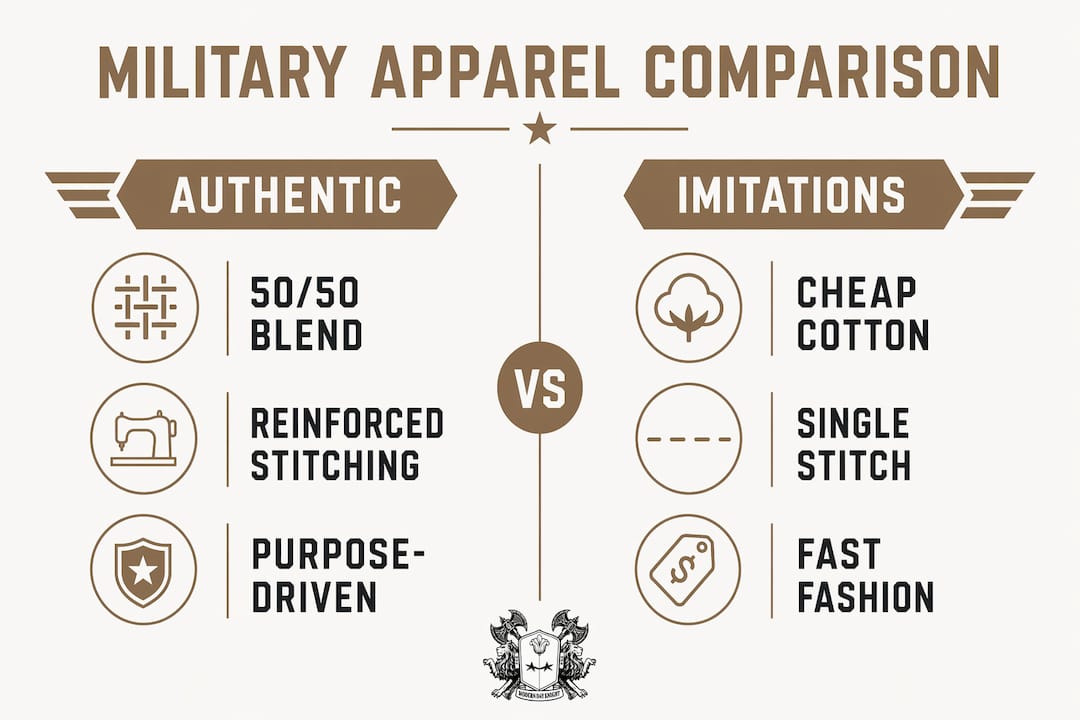
Quality standards in purpose-driven apparel reflect the same discipline that military training demands. Reinforced stitching, colorfastness, and consistent sizing are not premium features. They are baseline expectations for clothing that is meant to last. Fast-fashion versions of military aesthetics skip these standards because they are chasing the look, not the ethos.
Pro Tip: Check the fabric composition label before buying any military-inspired piece. A 50/50 cotton-nylon blend or a similar utility-first mix is a reliable indicator that the garment was designed with durability in mind, not just style.
| Feature | Authentic military-inspired apparel | Fast-fashion imitation |
|---|---|---|
| Fabric blend | 50/50 cotton-nylon or equivalent utility mix | Synthetic blends prioritizing cost reduction |
| Stitching | Reinforced at stress points | Standard single-stitch construction |
| Design intent | Utility and values-driven | Trend-driven aesthetics |
| Longevity | Built for repeated hard use | Seasonal wear |
| Community signal | Shared values and identity | Surface-level style |
Clothing also signals community membership. When you wear apparel that reflects integrity and strength, you communicate those values to others who hold them. That is why honorable lifestyle fashion carries real social weight within veteran and military-adjacent communities.
How do veterans use fashion to rebuild identity after service?
Veterans face what researchers call “identity drift” when they leave the military. The uniform is gone, and with it goes a clear signal of who they are and what they stand for. Nearly half of veterans report difficulties in the first year post-service, and a significant part of that struggle is about identity, not just employment.
Post-military identity through fashion is not about replacing the uniform. It is about rebuilding wardrobe with purpose, fitting military discipline into a civilian life that still reflects core values. A veteran who chooses structured, high-quality basics over trendy fast-fashion pieces is making a statement about who they still are, even without rank insignia.
Purpose-driven apparel brands targeting veteran values address this directly. They build collections around concepts like accountability, loyalty, and resilience rather than seasonal color palettes. Moderndayknightco is one example, positioning each piece as a statement of ideals rather than a style choice. That framing matters to veterans who need their clothing to carry meaning.
The impact of intentional apparel on personal resilience is real. Clothing affects how we carry ourselves. A veteran who dresses with the same intentionality they brought to their service maintains a connection to the discipline and identity that defined them. That is not nostalgia. It is a practical tool for navigating civilian life with purpose.
- Veterans benefit from building a wardrobe around neutral, high-quality basics that reflect resilience rather than trend cycles.
- Apparel with explicit values messaging, such as words like “accountability” or “integrity,” reinforces daily commitment to those principles.
- Choosing veteran-owned brands creates a direct connection to a community that shares the same code of honor.
- Structure in dress mirrors structure in mindset. Intentional clothing choices support the discipline that military training builds.
What are the cultural pitfalls of military-inspired fashion?
Wearing combat gear as fashion detached from its utility and history risks genuine disrespect. The line between respectful homage and superficial costume is real, and crossing it has consequences within military communities.
The core problem is context removal. When a camouflage pattern appears on a luxury handbag or a tactical vest becomes a music festival accessory, the design is stripped of its meaning. The people who wore those items in combat did not do so as a style choice. Treating their gear as ironic or decorative signals a fundamental misunderstanding of what that gear represents.
“Awareness distinguishes respectful wear from ironic costume. The challenge is not avoiding military aesthetics entirely. The challenge is carrying them with the weight they deserve.” — How fashion borrowed military aesthetics and lost the context
Here are four guidelines for wearing military-inspired apparel with integrity:
- Understand the origin. Know what the garment was designed for and who wore it before you adopt it as a style choice.
- Choose quality over costume. Effective veteran-aligned fashion uses neutral, high-quality basics that represent resilience, not theatrical imitation.
- Avoid ironic use. Wearing military aesthetics as a joke or a commentary undermines the sacrifice behind those designs.
- Support the community. Buying from veteran-owned brands connects your purchase to the people who lived the values you are wearing.
Awareness deepens appreciation. When you know that the M-65 field jacket was worn by soldiers in Vietnam, you wear it differently. That knowledge is not a burden. It is what makes the garment meaningful rather than hollow.
Key Takeaways
Military values in modern fashion require intention, quality, and respect for the history behind every silhouette, fabric choice, and design detail.
| Point | Details |
|---|---|
| Heritage drives design | Military silhouettes like chinos and bomber jackets evolved from battlefield necessity, not trend cycles. |
| Fabric signals values | A 50/50 cotton-nylon blend reflects utility-first discipline and separates authentic pieces from imitations. |
| Veterans rebuild identity through clothing | Nearly half of veterans struggle with identity post-service; purposeful apparel supports that transition. |
| Context prevents disrespect | Wearing military aesthetics without understanding their origin risks reducing sacrifice to costume. |
| Purpose-driven brands matter | Choosing veteran-owned apparel connects your wardrobe to a community built on integrity and loyalty. |
The weight every piece should carry
Fashion has always been a language. What I have learned, building a brand around military values, is that most people want to say something real with what they wear. They are tired of clothing that means nothing.
Veterans carry a code of honor that does not expire when the uniform comes off. The challenge is finding civilian apparel that speaks that same language. Too much of the market offers the look without the substance. Camouflage prints on throwaway fabric. Tactical silhouettes with no structural integrity. That is not military heritage fashion. That is costume.
What I believe, and what drives every piece we build at Moderndayknightco, is that clothing should demand something of the wearer. It should remind you of your values when you put it on in the morning. The warrior spirit in everyday apparel is not about looking tough. It is about living with the same discipline and loyalty that military service requires.
The market is moving in the right direction. Purpose-driven apparel is growing because people are hungry for meaning. But growth also brings imitation. The responsibility falls on wearers and designers alike to keep the standard high. Wear what you believe. Build what lasts. Honor the history behind every stitch.
— Modern Day Knight
Moderndayknightco: apparel built on a code of honor
Moderndayknightco is a veteran-owned brand that builds every piece around integrity, loyalty, and strength. These are not marketing words. They are the foundation of a modern code of honor that connects veterans and civilians who refuse to let their values be optional.
The full apparel collection includes pieces designed to carry meaning beyond the mirror. From the Accountability Hoodie to the Army Brat Tee, each item reflects a commitment to purpose-driven fashion that supports the military community. If you want clothing that says something real, this is where you start. Wear what you stand for.
FAQ
What are military values in modern fashion?
Military values in modern fashion are the deliberate expression of integrity, loyalty, and strength through clothing design, fabric choice, and brand intent. Purpose-driven apparel translates these values into civilian wardrobes without reducing them to aesthetics alone.
How did military clothing influence everyday fashion?
Military silhouettes evolved from battlefield necessity into mainstream civilian staples, including chinos, bomber jackets, cargo pants, and trench coats. Each piece carried its functional origins into everyday wear.
Why do veterans use fashion to express post-military identity?
Veterans face identity challenges after leaving service, with nearly half reporting difficulties in the first year post-service. Purposeful apparel helps rebuild structure and community connection outside the uniform.
What separates authentic military-inspired apparel from imitations?
Authentic military-inspired apparel uses utility-first fabric blends, reinforced construction, and values-driven design intent. Fast-fashion imitations copy the visual style without the durability or meaning behind it.
Is wearing military-style clothing disrespectful?
Wearing military-inspired fashion is not inherently disrespectful. The key is avoiding ironic or superficial use that strips the design from its historical and cultural context, as that detachment disrespects the sacrifice behind the original garments.


