



Honorable lifestyle fashion is defined as choosing and wearing clothing that consistently reflects a personal code of integrity, respect, and responsibility. The industry term for this broader category is ethical fashion, but honorable lifestyle fashion goes further. It connects your wardrobe directly to your values, not just to production standards. According to Merriam-Webster, “honorable” means “deserving of respect” and implies “a firm holding to codes of right behavior.” That definition maps directly onto clothing choices. What you wear either reflects your code or it doesn’t. Brands like Moderndayknightco and frameworks like Kahindo’s ethical fashion principles show that this standard is achievable and worth pursuing.
What does honorable lifestyle fashion mean in practice?
Honorable lifestyle fashion means your clothing choices are an active expression of your values, not a passive reflection of trends. Honor is moral integrity applied consistently, even when no one is watching. That principle, drawn from Richard P. Weigand’s work on ethical conduct, translates directly to fashion. You buy from brands that treat workers fairly. You choose garments built to last. You avoid symbols and styles you haven’t earned or understood.
This is distinct from simply looking good or buying expensive clothes. A person can wear a designer label and still make choices that harm workers, disrespect cultures, or fund dishonest supply chains. Honorable fashion is about the decisions behind the purchase, not the price tag on the label. It asks you to hold yourself to a standard that exists whether or not anyone else sees it.
“Honor is not about what others think of you. It is about what you do when no one is looking.” Richard P. Weigand
Pro Tip: Before your next clothing purchase, ask yourself one question: “Would I be comfortable if the people who made this garment could see exactly why I’m buying it?” If the answer is no, reconsider.
How does honor differ from reputation in everyday style?
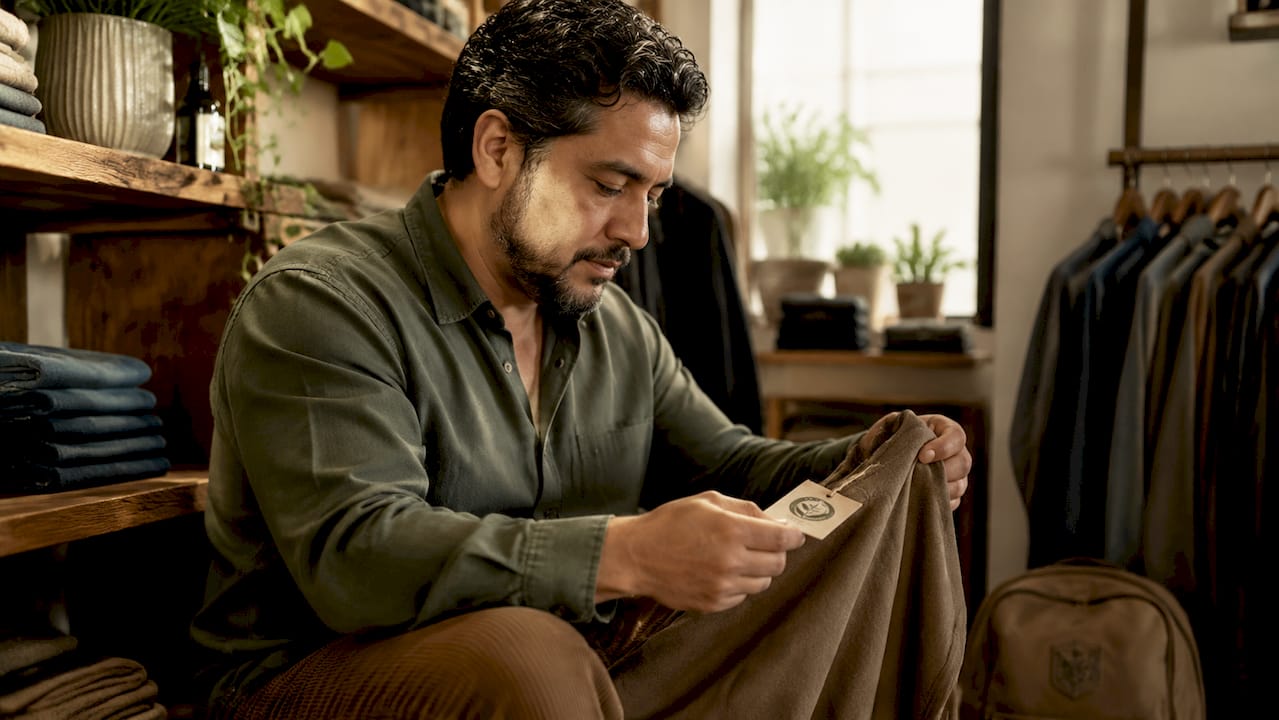
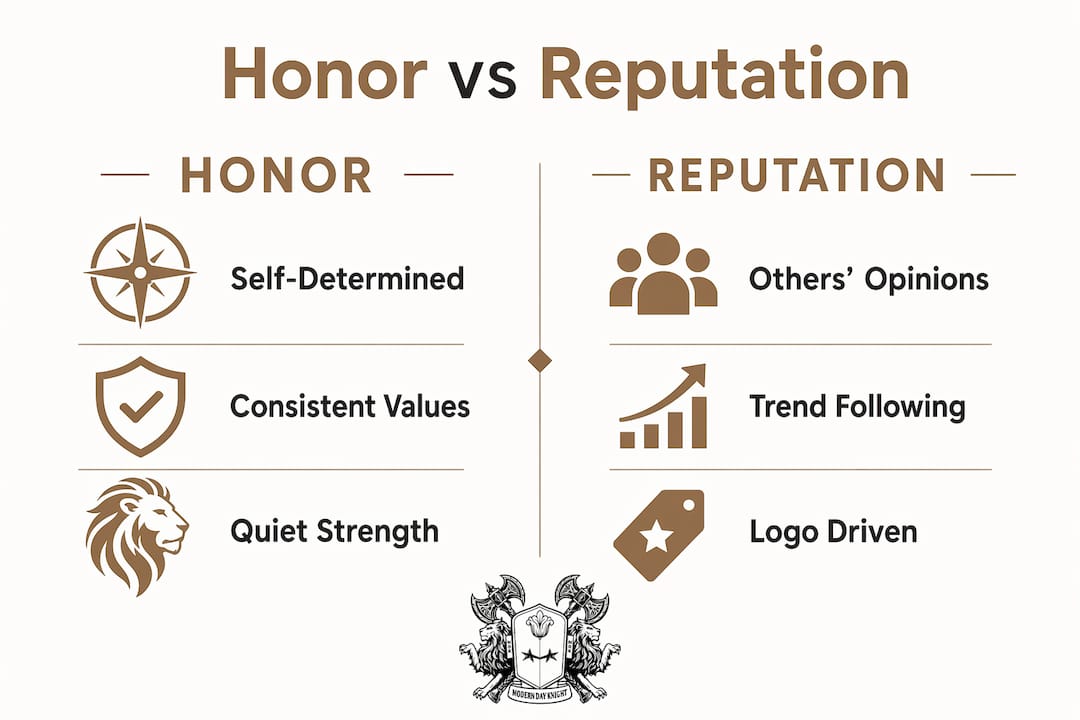
Honor and reputation are not the same. Reputation depends on what others think of you. Honor depends on what you actually do. This distinction matters enormously in fashion, where image is everything and substance is often hidden.
Reputation-driven style chases approval. It follows trends because trends signal status. It buys logos because logos communicate belonging. None of that is inherently wrong, but it is not honorable fashion. Honorable style is self-determined. You wear what aligns with your code, regardless of whether it earns likes or compliments.
Weigand describes honor as “quiet strength,” shown through consistent right action rather than visible performance. Applied to your wardrobe, that means buying from transparent brands even when it costs more. It means wearing a plain, well-made garment over a flashy one with a murky supply chain. It means your closet reflects your character, not your desire for social approval.
Pro Tip: Audit your last five clothing purchases. For each one, ask whether you bought it to reflect your values or to signal something to others. The pattern you find tells you where your style actually stands.
How do ethical fashion standards define honorable lifestyle fashion?
Ethical fashion requires fair pay, safe working conditions, respect for communities, transparency about production, and a focus on longevity over disposable trends. These are the baseline criteria. Honorable fashion meets all of them and adds a personal commitment to uphold them consistently.
The contrast with fast fashion is sharp. Fast fashion brands routinely obscure their supply chains, underpay workers, and produce garments designed to fall apart within a season. Vague brand claims and a lack of verifiable detail are the clearest warning signs of unethical production. Honorable fashion brands, by contrast, publish specific information about where and how their garments are made.
Kahindo’s ethical fashion framework identifies what separates genuine ethical fashion from surface-level marketing. The difference comes down to specificity and accountability. A brand that says “we care about people” without naming factories, wages, or certifications is not meeting the standard. A brand that names its suppliers and stands behind its production process is.
| Standard | Honorable ethical fashion | Common industry pitfall |
|---|---|---|
| Worker treatment | Verified fair wages and safe conditions | Vague “ethical sourcing” claims |
| Transparency | Named suppliers and production details | No supply chain disclosure |
| Durability | Garments built to last years | Trend-driven, single-season designs |
| Cultural respect | Acknowledged origins and meanings | Borrowed symbols without context |
| Brand accountability | Verifiable certifications and audits | Self-reported, unverified standards |
Pro Tip: When evaluating a brand, search for its specific factory names or third-party certifications like Fair Trade or B Corp. If that information isn’t publicly listed, treat the brand’s ethical claims with skepticism.
What role does cultural respect play in honorable lifestyle fashion?
Cultural appreciation in fashion requires acknowledging the origins and significance of cultural symbols before wearing them. Without that acknowledgment, fashion borrowing becomes commodification. Honorable fashion treats cultural elements with the same respect it extends to human labor.
The difference between appreciation and appropriation comes down to understanding and intent. Appreciation means you know what a symbol means, where it comes from, and why it matters to the people who created it. Appropriation means you’ve taken the aesthetic without the context. One honors the source. The other erases it.
Honorable fashion choices in this area follow a clear set of principles:
- Research the cultural origin of any garment, pattern, or symbol before wearing it.
- Ask whether the communities who created that element have given consent or benefit from its use.
- Recognize that some symbols carry sacred or ceremonial meaning that makes casual fashion use disrespectful.
- Support brands and artisans from the originating culture when you want to wear culturally specific designs.
- Understand that color, pattern, and craft traditions carry meaning that varies significantly across cultures.
Respecting cultural context is not about avoiding all cross-cultural fashion. It is about mutual respect and cultural preservation. When done with care, cross-cultural fashion can celebrate heritage and support artisans. When done carelessly, it reduces living traditions to costume. Honorable fashion chooses the former, every time.
How can you apply honorable lifestyle fashion principles every day?
Consistent ethical purchasing habits build honor over time. One ethical purchase does not make a wardrobe honorable. Repeated, deliberate choices do. The purposeful lifestyle clothing checklist from Moderndayknightco offers a practical starting point for building that habit.
The three-part framework from Kahindo’s ethical fashion standards gives you a clear test for every purchase:
- Assess human impact. Who made this garment? Were they paid fairly? Did they work in safe conditions? If you cannot find answers, the brand has not earned your trust.
- Verify honesty and traceability. Does the brand name its suppliers? Does it publish production details? Specificity is the mark of an honest brand. Vague language is a red flag.
- Evaluate durability and longevity. Is this garment built to last? Will it hold up through repeated wear and washing? Honorable fashion avoids the disposable mindset entirely.
Beyond the purchase decision, honorable fashion extends to how you care for your clothes. Washing garments in cold water, repairing instead of replacing, and donating rather than discarding are all part of the code. Honor grows through repeated choices and consistent habits, not through a single symbolic act.
Align your personal style with your stated values. If you believe in loyalty and strength, wear brands that demonstrate those qualities through their actions, not just their marketing. Moderndayknightco builds its entire apparel collection around this principle. Every piece is a statement of ideals, not just a garment.
Pro Tip: Build a “values filter” for your wardrobe. Write down three values you hold most strongly. Before any purchase, check whether the brand actively demonstrates those values. If it doesn’t, keep looking.
Key Takeaways
Honorable lifestyle fashion is defined by consistent ethical choices rooted in integrity, transparency, cultural respect, and personal values rather than trends or appearances.
| Point | Details |
|---|---|
| Honor vs. reputation | Honor is self-determined by your choices; reputation depends on others’ opinions. |
| Ethical baseline | Honorable fashion requires fair labor, transparent supply chains, and durable design. |
| Cultural respect | Research origins and meaning before wearing culturally specific garments or symbols. |
| Three-part purchase test | Assess human impact, brand honesty, and garment durability before every purchase. |
| Consistency matters | Repeated ethical choices build a truly honorable wardrobe over time. |
Why honor in fashion is the standard worth holding
We’ve watched the fashion industry use the word “ethical” so loosely that it has nearly lost its meaning. Brands slap sustainability claims on fast-fashion collections. Logos replace values. Social media makes image everything and substance optional. That’s the problem honorable fashion solves, and it’s why we built Moderndayknightco around a code rather than a catalog.
What we’ve seen, over years of building a veteran-owned brand, is that people who care about honor already know the difference between looking good and being good. They don’t need to be convinced. They need a framework and a community that holds the same standard. The knight metaphor we use isn’t nostalgia. It’s a reminder that integrity has always required deliberate practice, not passive intention.
The uncomfortable truth about honorable fashion is that it costs more effort than buying whatever is on sale. You have to research brands. You have to ask hard questions. You have to wear your values even when no one around you is doing the same. That’s exactly what makes it worth doing. The warrior culture that inspires our designs is built on that same principle: do what is right because it is right, not because it is easy or popular.
In 2026, with supply chain transparency tools more accessible than ever, there is no credible excuse for ignoring where your clothes come from. The information exists. The choice is yours. We believe you’ll make the right one.
— Modern Day Knight
Moderndayknightco: apparel built on a code
Moderndayknightco is a veteran-owned brand that puts integrity into every piece it produces. Each garment is designed to reflect values, not just aesthetics. The brand’s apparel collection includes pieces built for durability and meaning, from the Accountability Tee to the full range of lifestyle apparel that carries a clear message about who you are and what you stand for.
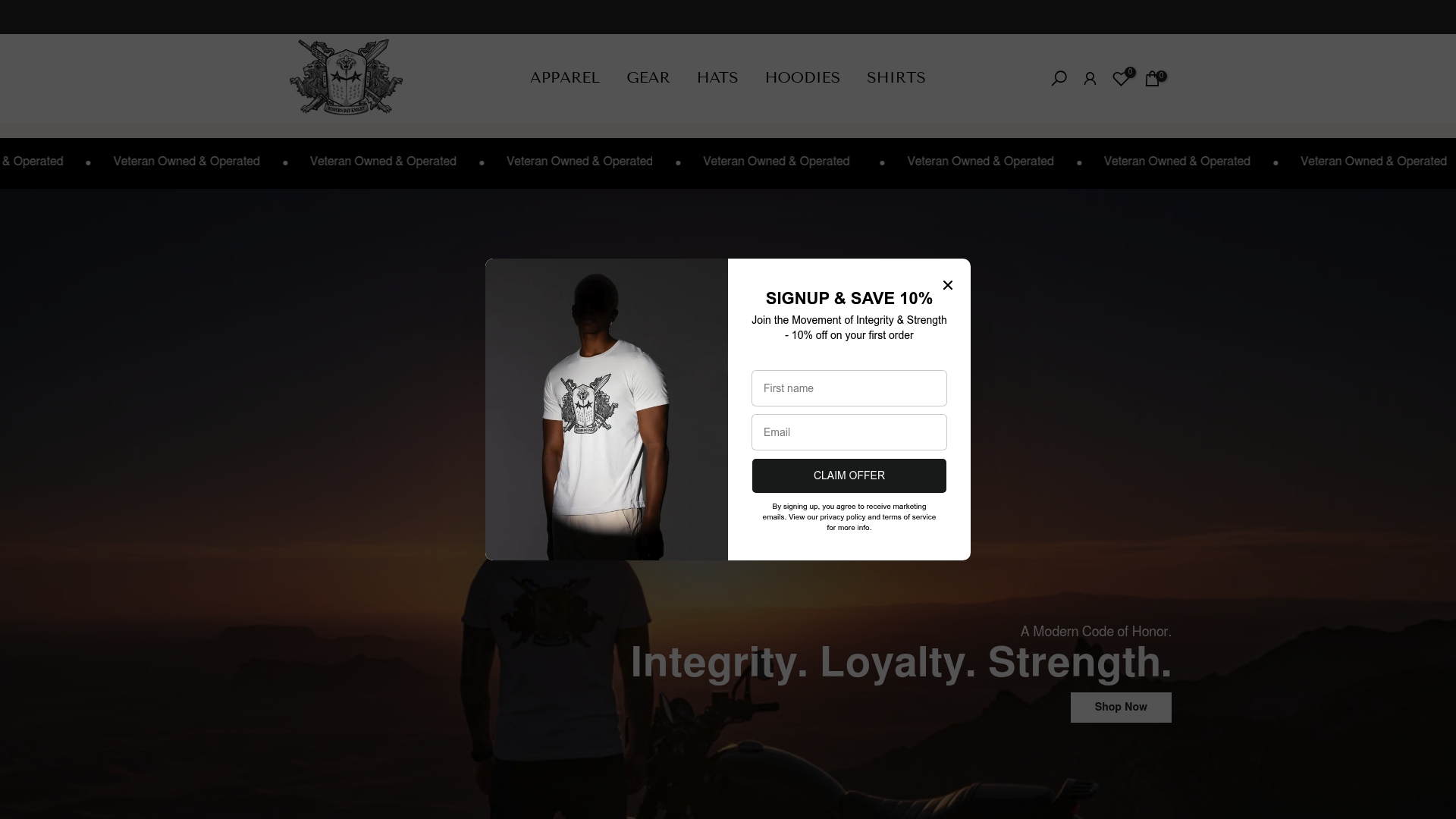
If you’re ready to wear what you believe in, Moderndayknightco’s hats collection and apparel line give you a place to start. Every piece connects you to a community committed to honor, loyalty, and strength. This is not fashion for appearances. This is fashion for people who live by a code.
FAQ
What does honorable lifestyle fashion mean?
Honorable lifestyle fashion means choosing clothing that reflects your personal code of integrity, ethical responsibility, and respect for others. It combines ethical production standards with a deliberate commitment to values over trends.
How is honorable fashion different from ethical fashion?
Ethical fashion sets production standards like fair wages and safe conditions. Honorable fashion adds a personal dimension, requiring that your choices consistently reflect your own values, not just industry certifications.
How do I know if a brand practices honorable fashion?
Look for brands that name their suppliers, publish production details, and hold verifiable third-party certifications. Vague ethical claims without specific evidence are a reliable warning sign.
What is the difference between honor and reputation in fashion?
Reputation depends on others’ opinions; honor depends on your own choices and actions. Honorable fashion is about what you do when no one is watching, not how your wardrobe appears to others.
Can cultural fashion be part of an honorable wardrobe?
Yes, when done with genuine understanding and respect for origins. Cultural appreciation in fashion requires acknowledging the meaning and source of cultural elements before incorporating them into your style.


