



Choose structured for a polished, logo-forward look that holds its shape through every wear. Choose unstructured when comfort, packability, and a broken-in feel matter more than a crisp silhouette. Semi-structured builds exist for readers who want a middle ground, but for most decisions, that one distinction settles it.
TL;DR:
- Structured hats maintain their shape over time due to the buckram lining, while unstructured hats soften and mold to the wearer’s head quickly.
- Structured crowns are taller and squarer with flat or upright front panels, whereas unstructured crowns are low, rounded, and often pre-curved.
- Unstructured hats are generally more comfortable initially and fold flat for packing, while structured hats are better for brand consistency and long-lasting shape.
- Material choices like washed cotton or canvas suit unstructured caps for wearability, while foam and mesh are typical for structured trucker styles.
- For logo durability, structured fronts provide a stable surface for detailed embroidery, with simple designs, patches, and heat transfers fitting best on unstructured crowns.
Table of Contents
- Structured vs Unstructured Hats: What’s the Real Difference?
- Comfort, Packability, and Branding: The Real Trade-Offs
- How to Choose the Right Hat for Your Head and Purpose
- Materials, Care, and How Fabric Changes the Shape
- Which Construction Holds a Logo Best?
- Dad Hat, Trucker, 5-Panel, Flexfit: When to Wear Each
- Why Modern Day Knight Builds Around Structured Trucker Silhouettes
- Wear What You Stand For
- Sources
Structured vs Unstructured Hats: What’s the Real Difference?
The difference comes down to one piece of material: buckram. A structured cap uses a buckram lining sewn into the front panels to hold a firm, consistent crown shape. That stiff backbone is why a structured hat looks the same on day one and day one hundred.
An unstructured cap skips the buckram entirely. Without that internal support, the crown drapes over your head instead of standing at attention. It molds to your shape fast, breaking in within a few wears instead of staying rigid.
You can spot the difference from across a room:
- Crown height: Structured hats sit taller and squarer up front; unstructured hats sit low and rounded.
- Front panel: Structured fronts stay flat and upright; unstructured fronts fold or ripple slightly.
- Brim curve: Structured brims tend to hold a flatter shape out of the box; unstructured brims often start pre-curved.
- First wear: Structured feels stiff initially; unstructured feels broken in immediately.
Neither build is better in the abstract. Each one serves a different mission, and that’s exactly how you should be thinking about it.
Comfort, Packability, and Branding: The Real Trade-Offs
This is where the decision gets practical. A structured hat commands a room. An unstructured hat rides along without asking for attention. Both have a job to do.
- Comfort: Unstructured hats are often more comfortable from the first wear, while structured hats may need a short break-in period before they feel natural.
- Packability: Unstructured crowns fold flat into a bag or back pocket; structured crowns hold their shape but take up more room and can crush if you’re not careful.
- Photography and branding: Structured fronts deliver a consistent silhouette across every model or customer, which matters if your brand’s hat shows up in product photos or a uniformed lineup.
- Longevity of shape: A structured crown looks the same after a year of wear; an unstructured crown continues softening and molding over time.
- Production cost: Structured builds generally run slightly higher in production cost due to the added buckram lining and shaping process.
If you’re outfitting a team or building a consistent brand image, structure wins. If you’re grabbing a hat for a road trip or a lazy Sunday, unstructured wins.
How to Choose the Right Hat for Your Head and Purpose
Fit isn’t guesswork if you know what to look for. Start with your head shape and your reason for buying.
- Round or fuller face shapes tend to look best in structured hats with taller crowns, which add visual length.
- Longer or narrower face shapes often flatter better in unstructured, low-profile crowns that don’t add extra height.
- Brand, team, or uniform use calls for structured builds. Consistency across every wearer matters more than personal comfort preference.
- Everyday, travel, or hot-weather wear favors unstructured builds for comfort and airflow, unless you’re pairing with a mesh-back trucker for ventilation.
- Closure type matters too. Snapbacks and fitted caps pair naturally with structured crowns; strap-back and flexfit closures show up more often on unstructured or hybrid builds.
Pro Tip: If you’re between sizes or buying online without trying it on, go with a snapback or strap closure over a fitted cap. Adjustable closures forgive sizing guesses that a fitted crown never will.
One-line checklist: match the crown to your face shape, match the construction to your use-case, and match the closure to your fit confidence.
Materials, Care, and How Fabric Changes the Shape
Fabric choice shapes behavior almost as much as the buckram does. Washed cotton and canvas soften with wear and wrinkle naturally, which is why they show up constantly on unstructured builds. Foam paired with mesh keeps a trucker’s front panel rigid while letting air through the back. Wool felt holds a sharp edge but resists packing flat.
- Washed cotton/canvas: Best for unstructured comfort; wrinkles are part of the look, not a flaw.
- Foam + mesh: Best for structured trucker fronts; holds shape while venting heat.
- Wool felt: Best for structured formal or vintage builds; avoid folding for storage.
For care, hand wash structured hats and let them air dry on a rounded surface to preserve the crown. Unstructured hats tolerate a gentle machine wash and can be tossed in a bag without worry. For hot weather or packing a suitcase, lighter cotton or a mesh-back trucker beats heavier wool every time.
Which Construction Holds a Logo Best?
If you’re decorating a hat, construction dictates your options. Structured fronts generally produce sharper stitch-outs because the buckram gives embroidery a stable, flat surface to work with. That firm backing is why detailed logos, small text, and 3D puff embroidery show up almost exclusively on structured fronts.
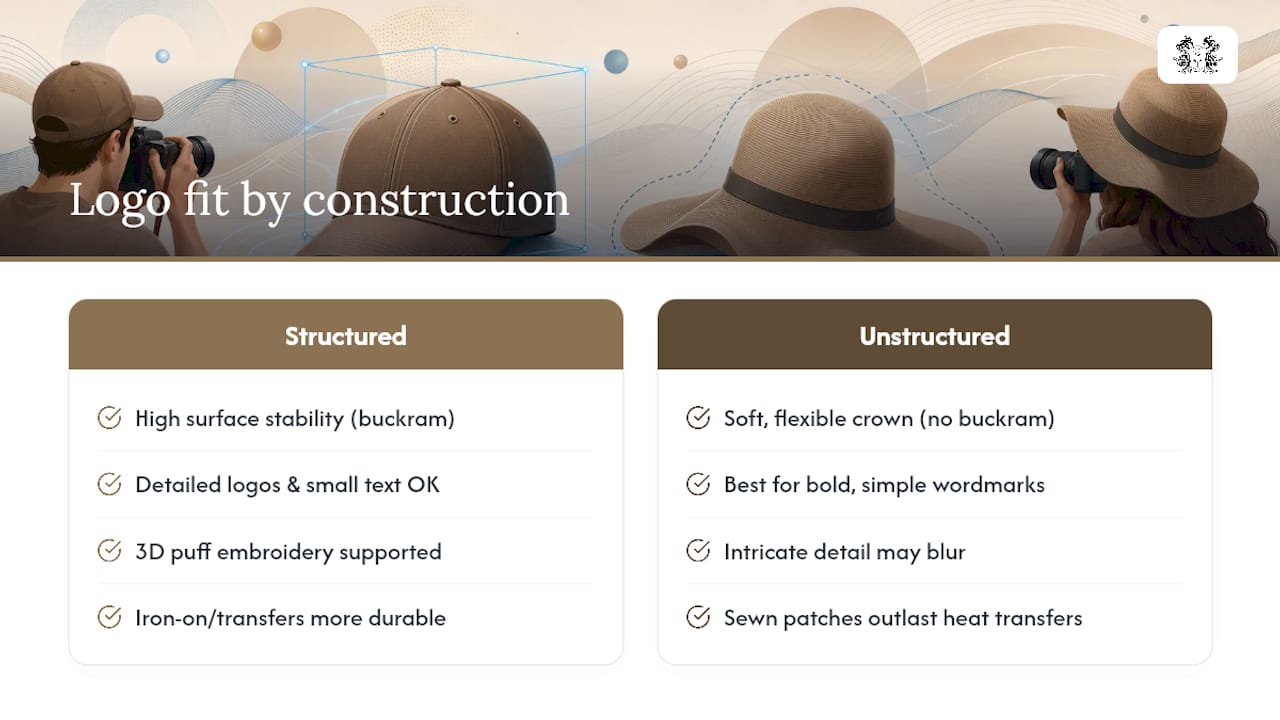
Unstructured fronts still work, just with adjustments. Bold, simple wordmarks and single-color logos hold up fine; intricate detail tends to blur once the crown softens. Iron-on patches and heat transfers can crack faster on unstructured fabric that flexes constantly, so a sewn patch usually outlasts a heat-pressed one on a soft crown.
Dad Hat, Trucker, 5-Panel, Flexfit: When to Wear Each
Naming the style tells you almost everything about how it’ll fit and where it belongs.
- Dad hat: Nearly always unstructured, low-profile, and made from washed cotton or canvas with a strap closure. Built for everyday wear, travel, and a broken-in look from day one.
- Trucker: Typically structured up front with a mesh back, giving ventilation without sacrificing a tall, logo-friendly panel. This is the go-to for brand photography and consistent presence.
- 5-panel: Structured or semi-structured, favored in streetwear for its clean, flat front panel.
- Flexfit: Stretch-fit, no snap or strap, delivering a fitted feel with structured shaping built into the fabric itself.
If you’ve got a larger head, dad hats tend to be more forgiving thanks to their adjustable strap, while a trucker’s structured front and snapback closure offer less wiggle room but more shape.
Why Modern Day Knight Builds Around Structured Trucker Silhouettes
We build our hats the same way we build everything else: on purpose. A structured mesh/rear snapback hat silhouette holds its shape through every wear, every photo, every mission you take it on. That consistency isn’t cosmetic. It’s how a message stays sharp instead of fading into a shapeless crown after a month of wear.
Structured fronts give our embroidery the clean lines it deserves, and they photograph the same way whether you’re standing in formation or posting from your front porch. Fit matters too. Our trucker builds balance that firm front with breathable mesh backs, so you get presence without giving up comfort.
— Modern Day Knight
Wear What You Stand For
If you want a hat that carries a message with the same consistency you carry your values, structure is the answer. Our Global Citizen Trucker Hat is built for readers who want that logo-forward presence in every photo, every time, with no soft crown to soften the statement.
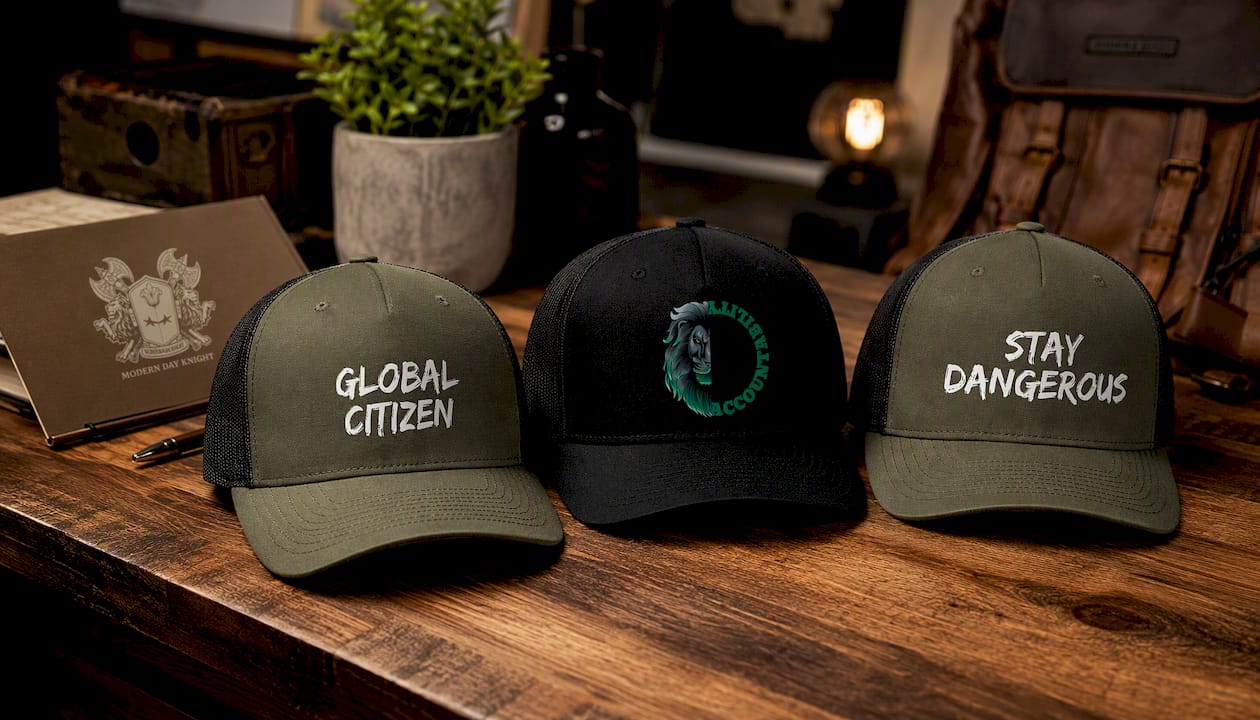
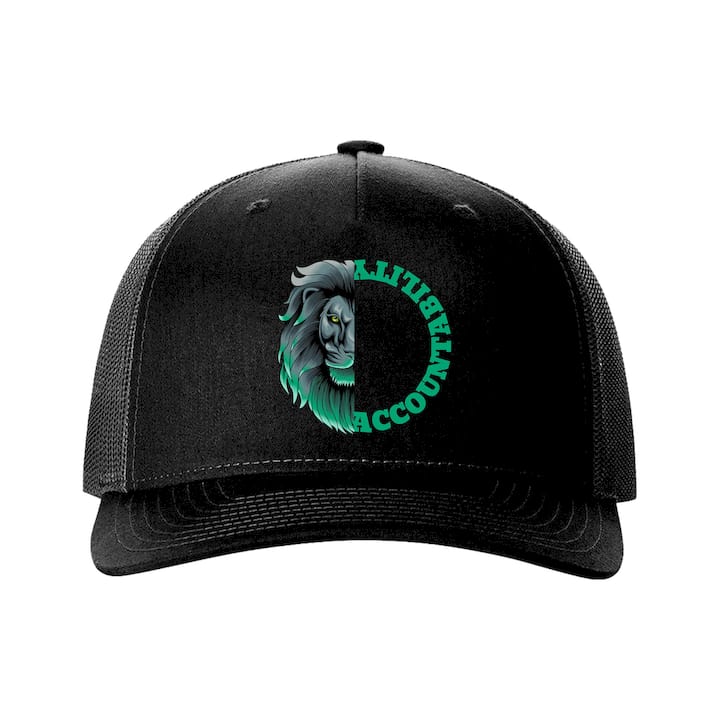
The Accountability Trucker Hat speaks to a different kind of buyer, someone who wants their gear to hold them to something bigger than fashion. Its structured front keeps that word sharp and legible, not blurred by a soft, unstructured crown. For those who want a bolder statement piece, the Stay Dangerous Trucker Hat delivers the same reliable structured fit with a message that doesn’t apologize for itself.
All three share the same structured trucker build: mesh back for airflow, firm front for clarity, adjustable closure for a fit that works across head sizes. Browse the full hat collection and pick the message you’re ready to wear.
Sources
Construction claims draw from cap-industry glossaries, structure guides, and hat-style explainers covering embroidery and branding standards.
- Structured vs. Unstructured Caps: Fit & Construction Guide
- Structured vs. Unstructured Hats: Which Is Right for Your Custom Order – Wholesale Caps
- What is Unstructured cap? — TeamSunday glossary
- Hat Styles Explained: Trucker, Dad, Snapback, 5-Panel & Flexfit


