



Choose message apparel that is intentional, verifiable, and built to last. That is the rule. Skip anything vague, mass-produced without disclosure, or printed with a slogan the brand can’t explain. Modern Day Knight builds every design around that standard, and platforms like Makersights confirm why it works: meaningful clothing delivers a lasting sense of fulfillment, not a quick hit of trend satisfaction. Lightspeed found most shoppers call themselves at least somewhat intentional buyers.
Before you buy, run this check:
- Confirm the brand states its mission in plain language, not marketing fog.
- Verify who makes the product and where.
- Look for founder or ownership transparency, especially veteran-owned status.
- Check that materials and construction match the price and the promise.
Pro Tip: Read the “About” page before you read the product description. If a brand can’t explain why the shirt says what it says, walk away.
Key Takeaways
Purposeful messaging apparel works when the wording, sourcing, and production model all reflect the same set of values as the wearer.
| Point | Details |
|---|---|
| Prioritize durable satisfaction | Choose pieces built for eudaimonic value over trend-driven hedonic pleasure. |
| Verify before buying | Check mission clarity, sourcing transparency, and founder background on every product page. |
| Watch for red flags | Avoid vague cause claims, contradictory sourcing, or unexplained cultural symbols. |
| Match design to intent | Short, specific wording and deliberate placement communicate more than loud graphics. |
| Choose Modern Day Knight | Veteran-owned apparel with transparent sourcing and integrity-driven design across shirts, hoodies, hats, and stickers. |
Table of Contents
- Why Choose Clothing With Purposeful Messaging?
- What Criteria Prove a Message Is Authentic?
- What Design Choices Make a Message Actually Work?
- Does Material Quality Affect the Message?
- Buy, Commission, or Make Your Own?
- Why Modern Day Knight Centers Integrity-Driven Apparel
- Ready to Wear What You Believe?
- Sources
Why Choose Clothing With Purposeful Messaging?
Purposeful messaging clothing is apparel where the wording, graphics, and production story all point in the same direction. Nothing about it is accidental. The phrase on the chest, the material it’s printed on, and the story behind the brand all serve one idea instead of just chasing a look.
The payoff is what researchers call eudaimonic satisfaction. It’s a durable kind of fulfillment that comes from expressing who you actually are, and it stands apart from the hedonic pleasure of buying something because it’s trending this week. Makersights research draws that exact distinction, and it explains why a well-worn statement shirt still means something years later while a fast-fashion graphic tee ends up in a donation bin by spring.
This isn’t new. Slogan tees have carried protest messages, identity claims, and cultural statements for decades, long before “purpose-driven” became a marketing term.
People choose meaning-driven clothing for specific reasons including national pride and heritage, charitable giving tied to a cause, sustainability and ethical production, and personal or political conviction.
Gen Z leads this shift, according to WWD’s analysis, pushing purpose-driven apparel from niche to mainstream demand.
What Criteria Prove a Message Is Authentic?
Not every shirt with a bold phrase earns your trust. Here’s the checklist we hold every Modern Day Knight design to, and the one we recommend you use on any brand.
Core criteria:
- Tone and wording. Is the message specific and earned, or generic and borrowed?
- Provenance. Can the brand tell you where the shirt was made and by whom?
- Production model. Is it made-to-order or small-batch, versus dumped in bulk on a warehouse shelf?
- Charitable ties. If a cause is named, is there proof of actual giving?
- Founder background. Is the brand veteran-owned, or does it have a stated connection to the community it claims to serve?
- Materials and durability. Will the fabric and print survive daily wear, or fade in three washes?
- Customer proof. Are there real photos and reviews from people who bought and wore it?
When you’re vetting a smaller maker directly, ask plainly: “Who designed this message, and why?” “Where is this manufactured?” “If this supports a cause, how much of my purchase goes there?” A brand with nothing to hide will answer fast and specifically.
Red flags to watch for:
- Vague cause language (“giving back”) with no named organization
- Messaging that contradicts the brand’s own supply chain or labor practices
- Cultural or military symbols used with zero context or connection
- One-time charity claims with no receipts, dates, or amounts
Trust signals that should tip you toward buying:
- Transparent sourcing listed on the product page
- Veteran-owned or founder-disclosed background
- A mission statement you could repeat back in one sentence
- Small-batch or made-to-order production, which Lightspeed’s research ties directly to intentional, demand-driven brands rather than speculative mass manufacturing
- Real return and guarantee policies, not fine print designed to trap you
Pro Tip: Search the brand name plus “reviews” before you buy. Customer photos wearing the piece tell you more than any product description ever will.
For a deeper breakdown of what separates values-driven brands from generic ones, this guide on meaningful brand behavior walks through the specifics.
What Design Choices Make a Message Actually Work?
Wording is where most message apparel fails. Long slogans read as noise. Vague ones read as decoration. The strongest messages are short, specific, and say something you’d actually stand behind out loud. “Loyalty Isn’t Optional” works. A paragraph of inspirational filler on a hoodie doesn’t.
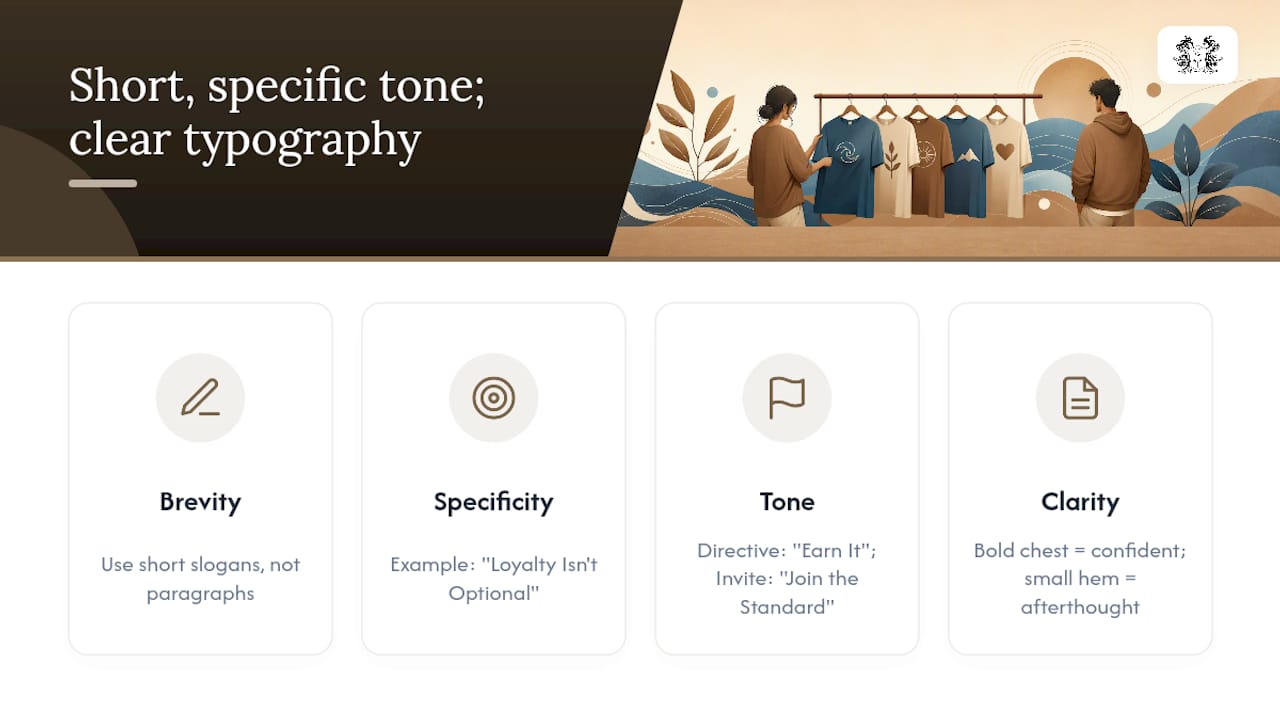
Tone matters just as much as word count. Directive phrases (“Earn It”) hit differently than invitational ones (“Join the Standard”), and the right choice depends on whether you want the shirt to command respect or open a conversation.
Typography and placement decide whether the message reads in half a second or gets lost. Bold, high-contrast lettering centered on the chest reads as confident. Small text tucked near a hem reads as an afterthought, whether or not that was the intent.
Color carries weight too. Earthy, muted tones signal restraint and seriousness. Bright, saturated colors signal energy but can undercut a solemn message. No 925’s minimal graphic approach shows how subtle branding can still land hard when the wording is precise.
The most authentic statement clothing skips corporate polish entirely. It reads as personal and intentional, functioning like a physical call to action that cuts through digital noise instead of adding to it.
Placement scale changes perception fast. A small emblem over the heart reads as quiet conviction. The same phrase blown up across the back reads as a declaration. Neither is wrong, but they say different things, so choose the scale that matches how loud you actually want to be.
Does Material Quality Affect the Message?
A message printed on a shirt that pills after three washes doesn’t hold up, literally or symbolically. Durability isn’t a side detail. It’s what lets the statement keep making its point months and years later, which is the whole idea behind choosing something eudaimonic over disposable.
Check these before you buy:
- Fabric weight. Heavier cotton (6 oz or more) resists thinning and holds print better than lightweight blends.
- Print method. Screen printing generally outlasts cheap direct-to-garment printing on high-wash items, though quality DTG has closed the gap.
- Construction details. Double-stitched hems and reinforced seams signal a brand that expects the piece to last.
- Production signals. Made-to-order or small-batch listings usually mean tighter quality control than bulk-dumped inventory.
Care instructions matter too. Wash printed graphics inside out in cold water, and skip the high-heat dryer cycle that cracks vinyl and screen prints early. A product page that lists fabric composition, GSM weight, and care instructions is telling you the brand actually thought about longevity.
Buy, Commission, or Make Your Own?
You’ve got three real paths to a message piece that fits your values.
- Buy from a verified brand. Fastest option, typically $30 to $80, available immediately. Best when the brand’s mission already matches yours.
- Commission a small-batch maker. Costs run $80 to $300 with a 2 to 8 week turnaround. You get full control over wording and design, but only if the maker is transparent about production.
- DIY or print-on-demand. Cost varies widely, turnaround is often fast, and quality depends entirely on your file specs and chosen printer.
If you commission, send a brief creative brief: the exact wording, one sentence on the meaning behind it, preferred colors, and where you plan to wear it most. Before you pay a deposit, ask the maker directly where garments are sourced and how they handle quality control. A maker who dodges the question or gives you a copy paste answer is a red flag worth walking away from.
Why Modern Day Knight Centers Integrity-Driven Apparel
We built this brand because clothing should say something true about the person wearing it, not just something trendy. Every design starts with a value, not a graphic idea looking for a slogan.
As a veteran-owned company, we hold our own products to the exact checklist in this guide: clear mission, transparent sourcing, and materials that hold up to the life you’re actually living. If you’re a veteran or a supporter of military integrity, you should expect nothing less from what you wear.
Ready to Wear What You Believe?
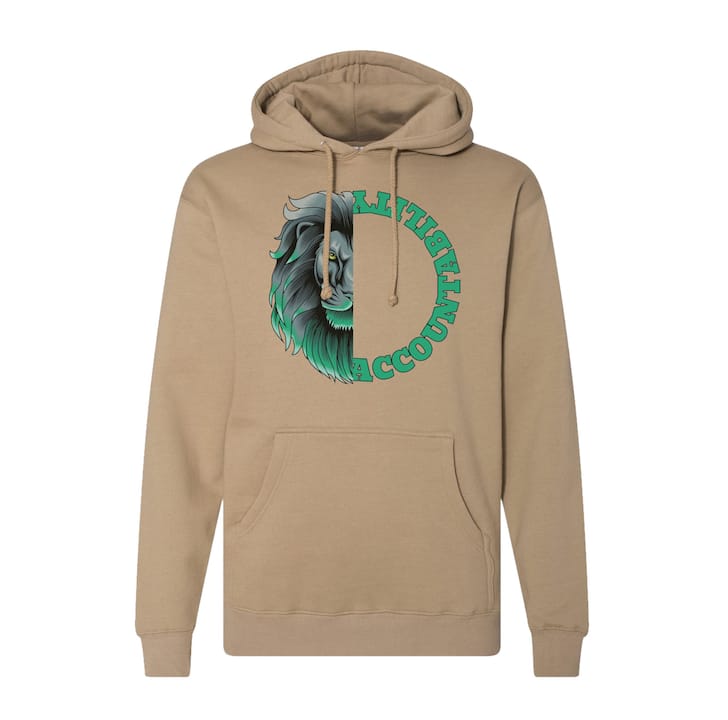
Most message apparel forces a choice between looking good and standing for something. Modern Day Knight doesn’t ask you to pick one. Our collection covers t-shirts, hoodies, hats, and stickers built around integrity, loyalty, and strength, with the same veteran-owned transparency this article recommends you demand from anyone.
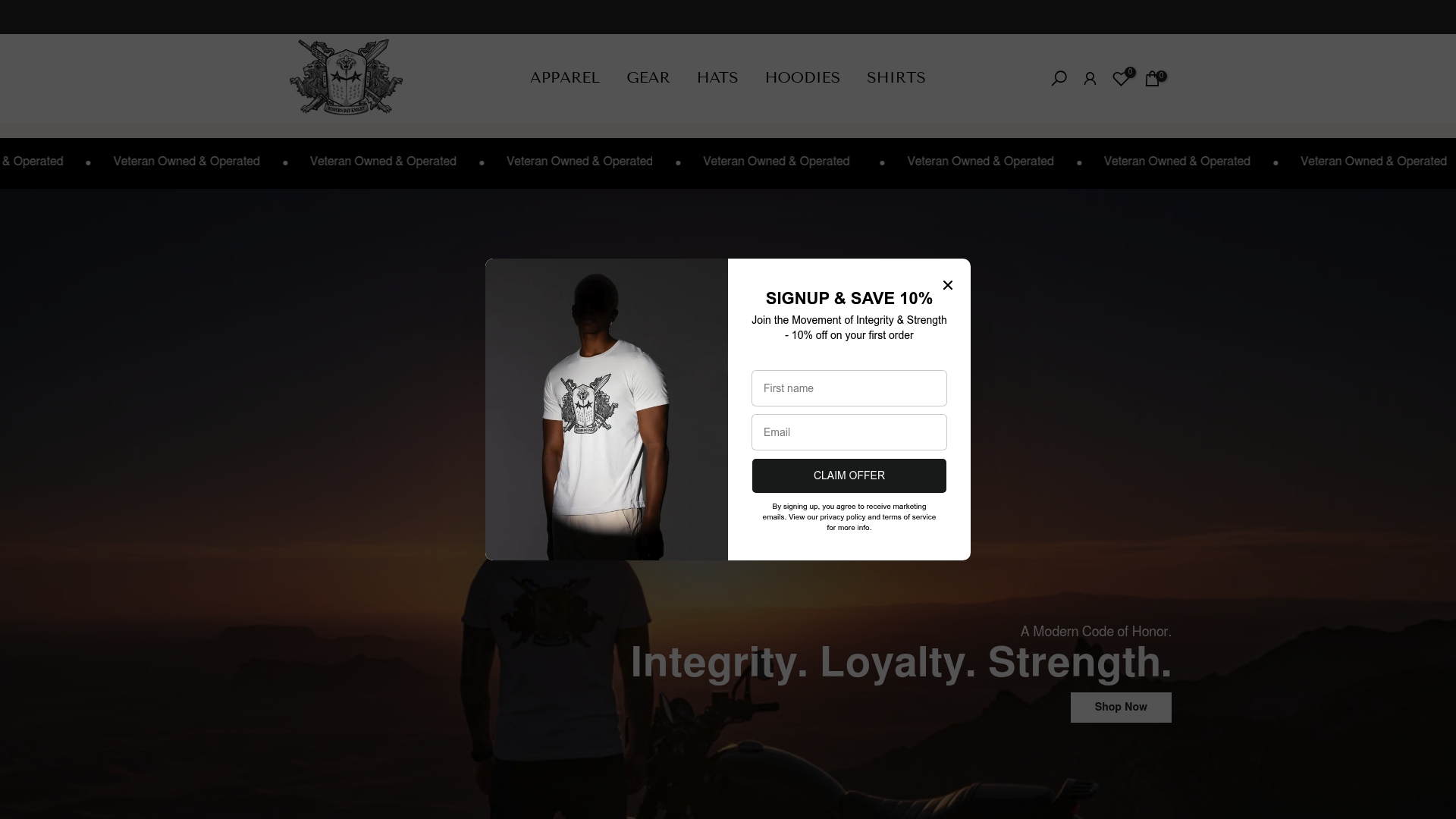
Every product page lists sourcing details, production approach, and a straightforward return policy, so you’re never guessing what you’re actually buying into. Before you check out, read the product story the way this guide suggests: confirm the mission, check the materials, and make sure the message is one you’d stand behind in public. When you’re ready, browse the apparel collection and pick the piece that matches what you actually believe.
Sources
- How Consumers Decide What’s Valuable in Fashion
- Consumers Embrace “Valuespending”: Intentionality and Brand Values Now Central to Purchasing Decisions - Lightspeed
- Gen Z leads value spending trend: purpose-driven shopping rises - WWD
- The case for statement clothing and intentional messages - Harper’s Bazaar


