



What does honoring service through fashion mean?
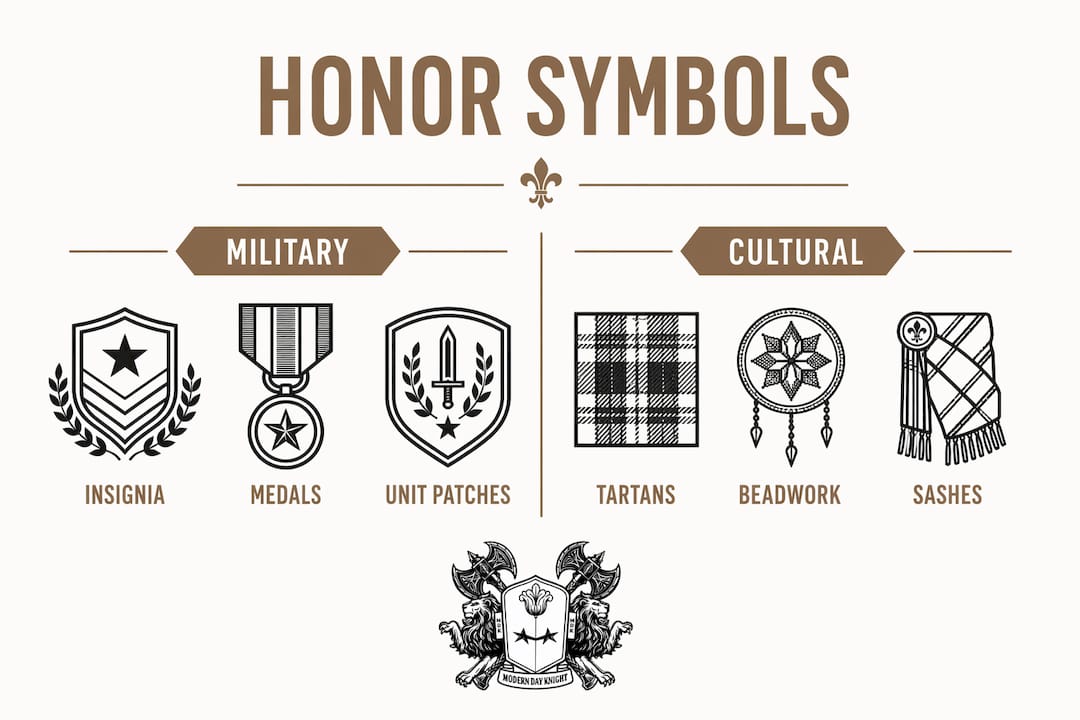
Honoring service through fashion is the intentional use of clothing to express gratitude, tell stories of sacrifice, and stand with those who served. It goes far beyond wearing a flag pin or buying a camo jacket. At its core, service-themed fashion is a deliberate act of recognition, one that carries meaning in every thread.
This expression shows up in three primary ways: wearing symbols or designs that acknowledge sacrifice, supporting veteran-owned businesses that direct proceeds to service-focused causes, and choosing apparel that sparks public recognition during national observances like Veterans Day and Memorial Day. Fashion becomes a medium for gratitude, storytelling, and community, not just a trend.
- Wearing symbols: insignia, unit patches, national colors, and official tartans
- Supporting veteran-owned brands that prioritize values over aesthetics
- Using clothing as a public statement of respect and remembrance
- Choosing apparel that funds veteran nonprofits and family support programs
What symbols in veteran honor clothing actually mean
Military symbols in fashion carry weight that most people never fully consider. Insignia, unit patches, branch colors, and official organizational tartans are historical emblems of brotherhood and belonging, not decoration. When the Veterans of Foreign Wars introduced the official VFW tartan in 2025, it was designed specifically to be worn at ceremonies and cultural gatherings, offering members a respectful way to acknowledge their service and their continued connection to fellow veterans.
These symbols do real work. They reinforce identity, signal pride, and keep remembrance alive in everyday life. A patch on a sleeve or a tartan at a parade says something a spoken word often cannot.
- Unit patches represent specific deployments, missions, and bonds formed under pressure
- National colors in apparel connect the wearer to a shared civic identity
- Official tartans formalize respect and deepen ties between veterans and wider communities
- Campaign and cause shirts (such as 22 Kill or Mission 22) signal active support for veteran mental health
Types of clothing that honor military service
The range of apparel used to honor service is wider than most people expect. Veterans, their families, and civilian supporters all wear different pieces for different reasons, and each carries its own context.
- Veteran-themed T-shirts and hoodies with branch support slogans (“Army Strong,” “Navy Pride”) or cause-specific messages
- Military-inspired jackets worn as fashion, particularly WWII and Korea-era surplus pieces mixed with civilian clothing
- Commemorative accessories such as POW/MIA bracelets, challenge coins worn on lanyards, and patriotic pins
- Ceremonial garments like the blue jingle dress worn by Army veteran Mitchelene BigMan during the 2013 presidential inaugural parade, which combined traditional Native American design with military patches to honor service
One of the most striking examples of culturally significant honor clothing comes from the Smithsonian’s National Museum of the American Indian. A Lakota beaded dress from 1900–1910 features American flags and five-pointed stars, originally made for Fourth of July celebrations and now recognized as a symbol of military service and heritage. BigMan’s jingle dress, made a century later, carries metal cones representing prayers and a patch over the heart honoring Lori Ann Piestewa, the first Native American woman to die in combat in a U.S. war.
During national observances, apparel choices become especially deliberate. Veterans wear unit shirts. Families wear pieces that connect them to a loved one’s branch. Civilians reach for cause-specific shirts that fund programs they believe in.
How honor-inspired fashion shapes identity and community
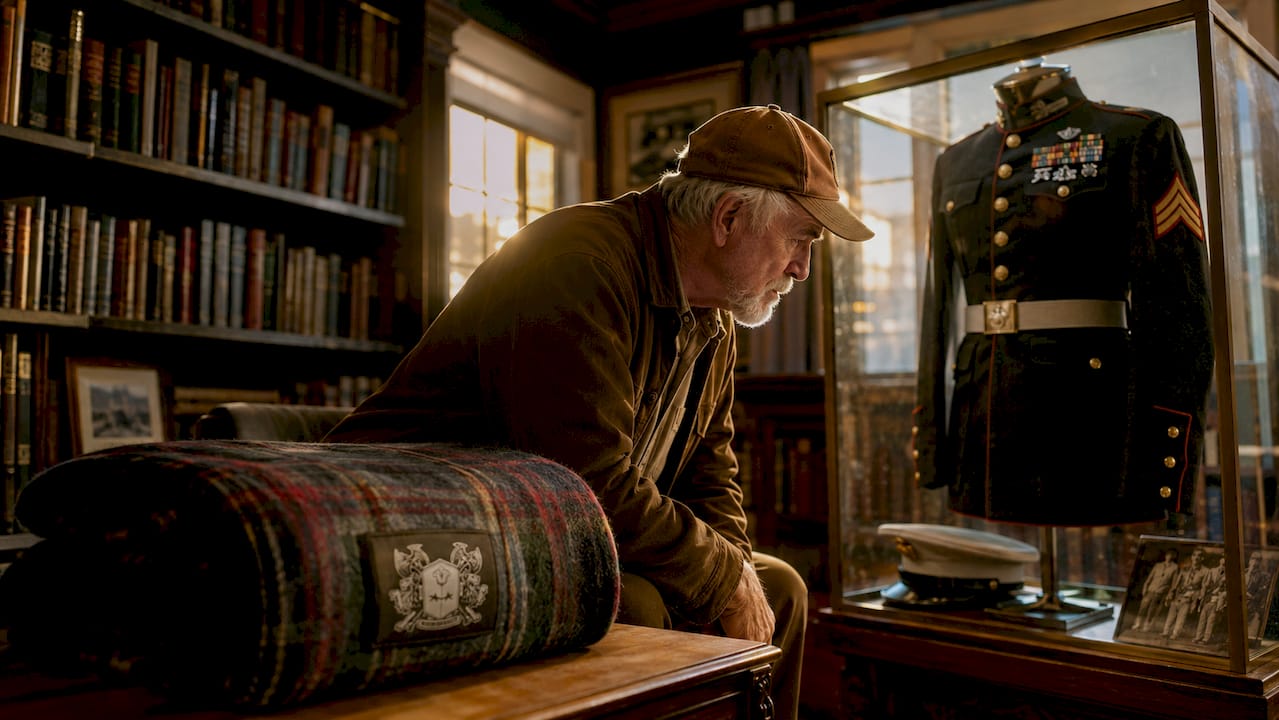
Clothing fosters a sense of belonging that words alone rarely achieve. For veterans, wearing apparel tied to their service is a way to carry that identity into civilian life without explanation. For supporters, it is a visible declaration of solidarity.
Wearing veteran-themed apparel with genuine respect and honesty is widely appreciated by veterans and helps bridge the civilian-military divide. Most veterans understand the difference between support and impersonation. Honesty is the only rule that truly matters: if someone asks, “I didn’t serve, but I support veterans” is all it takes.
- Veterans feel pride and continuity wearing apparel tied to their unit or branch
- Families use inherited clothing, a grandfather’s WWII jacket or a sibling’s Marine Corps hoodie, to honor legacy
- Civilian supporters wear cause shirts to show gratitude and fund programs they care about
- Shared apparel at events creates visible community among people who might never have met otherwise
How fashion supports veteran communities year-round
Honor-driven apparel does more than look good. It funds real programs. GIRLSTRONG’s “She Serves Too” Military Spouse Collection donates 50% of net proceeds to the National Military Family Association, a nonprofit dedicated to serving military families through advocacy and support programs.
Designer Elie Tahari’s Project Wardrobe provides wounded female IDF veterans with a monthly clothing allowance, covering shipping and delivery costs, to help them feel empowered as they return to civilian life. As one collaborator put it, “Clothing is so much more than just what I wear. It can heal you. It can rehabilitate you and give you the strength to move forward.”
- Apparel proceeds fund veteran nonprofits and family support organizations
- Clothing allowances and reintegration programs use fashion as a tool for empowerment
- Year-round collections keep remembrance alive beyond Veterans Day and Memorial Day
- Lifestyle apparel builds community by connecting veterans and supporters through shared values
How veteran-owned brands tell stories through clothing
Veteran-owned brands approach fashion differently. They are not chasing trends. They are preserving legacies and promoting shared values like integrity, resilience, and loyalty. Every piece carries a story that mainstream brands rarely tell.
Moderndayknightco is built on exactly this foundation. Veteran-owned and operated, the brand treats each garment as a statement of ideals, not just a product. The code of honor runs through every design: strength, loyalty, truth. That is what separates authentic honor-driven apparel from military aesthetics used as a marketing shortcut.
- Veteran-owned brands focus on enduring values rather than cycling military looks as seasonal trends
- Storytelling is the core function: each piece communicates a specific legacy or principle
- Community engagement and brand expertise build trust that generic apparel brands cannot replicate
- Authenticity is the standard: veterans value honesty and truthful representation above all else
A brief history of honoring military service through fashion
The connection between clothing and military honor runs deep in American history. After World War II, surplus field jackets, peacoats, and combat boots entered civilian wardrobes organically, worn for their durability and as quiet acknowledgments of the war’s reach into everyday life. Veterans wore their unit shirts at reunions and parades long before “veteran apparel” was a market category.
The tradition of ceremonial military dress dates back centuries. Scottish tartans, originally regional and familial patterns, evolved into emblems adopted by military units and civic organizations worldwide. That same logic now drives modern organizational tartans like the VFW’s, which weave ancient symbolism into contemporary veteran identity.
How different cultures express military honor through clothing
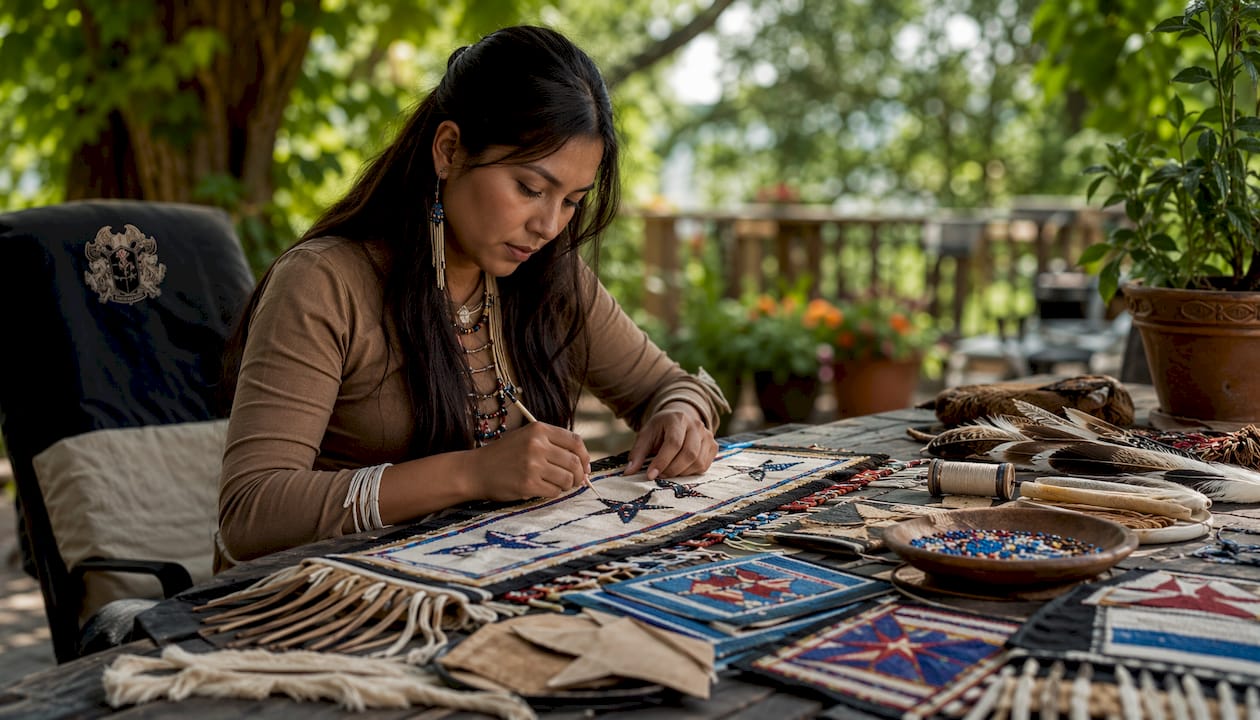
Military honor fashion is not a single American tradition. It reflects the values and histories of many cultures. Native American women warriors have long blended traditional dress with military symbolism, as seen in the jingle dress tradition where each metal cone carries a prayer and the garment itself serves as a healing and remembrance piece.
In Israeli culture, designer Elie Tahari’s “Threads of Valor” collection drew on the biblical concept of Eshet Chayil (“Women of Valor”) to honor female IDF soldiers, turning a runway show into a tribute organized around themes of resilience, command, and sacrifice. Across cultures, the common thread is intentionality: clothing chosen to carry meaning, not just cover the body.
What designers and brands bring to honor-themed apparel
Designers who work in this space carry a responsibility that goes beyond aesthetics. When fashion designer Elie Tahari collaborated with students at St. Thomas University’s fashion program for the “Threads of Valor” show, the goal was to use garments as a visual, artistic interpretation of sacrifice. Students selected pieces that matched themes like resilience and freedom, then worked behind the scenes to bring the narrative to life.
The best honor-themed collections are built with veterans, not just for them. Brands that partner with service organizations, donate proceeds, or provide educational context alongside their collections demonstrate that aesthetics do not exist in a vacuum. That awareness is what separates genuine tribute from borrowed imagery.
Why military insignia and symbols carry real weight in fashion
Military insignia are not decorative. Patches represent specific units, deployments, and earned qualifications. Medals represent acts of valor and wounds received in service. When these symbols appear in fashion, they carry that history with them, whether the wearer knows it or not.
The VFW tartan is a clear example of how official symbols formalize respect. Created by VFW Life member Joshua Cannon and authorized for wear by VFW members and their families, it was designed to be worn at commemorative events and funerals, connecting modern veterans to a tradition of shared identity that stretches back centuries. Symbols like this do not just look meaningful. They are meaningful.
The ethics of military-themed fashion: where the line is
The line between honoring service and appropriating it is real, and veterans notice when it gets crossed. Camo patterns on runways and tactical vests at music festivals strip functional military gear of the context that gave it meaning. As Navy Times noted, military uniforms are not costumes, and removing the function from the form turns hard experience into aesthetic shorthand.
That said, civilians wearing support apparel honestly is not stolen valor. The Stolen Valor Act targets false claims about service made for personal gain, not clothing choices made out of respect. The rule is simple: be honest when asked. Wear support apparel with purpose, not performance. Veterans extend grace to people who get the details slightly wrong, as long as the intention is genuine.
Pro Tip: When you buy from a veteran-owned brand or a collection that donates to veteran nonprofits, your purchase does more than express respect. It funds real support.
Wear your values. Support the mission.
Moderndayknightco was built by veterans, for people who believe clothing should mean something. Every piece in our honor-inspired apparel collection carries a code: integrity, loyalty, strength. This is not fashion for fashion’s sake. It is a statement of who you are and what you stand for.
Join the movement. Wear what you believe in.
Key Takeaways
Honoring service through fashion means using clothing as a deliberate act of gratitude, storytelling, and community support rooted in authentic military values.
| Point | Details |
|---|---|
| Fashion as intentional tribute | Honor-driven apparel expresses gratitude and respect through symbols, stories, and values, not just aesthetics. |
| Symbols carry real history | Insignia, unit patches, and official tartans like the VFW tartan are emblems of brotherhood and belonging. |
| Proceeds fund real programs | Collections like “She Serves Too” donate 50% of net proceeds to veteran family nonprofits. |
| Honesty is the only rule | Veterans welcome civilian support apparel when worn with genuine respect and honest intent. |
| Veteran-owned brands lead authentically | Brands like Moderndayknightco prioritize enduring values and legacy over trend-driven military aesthetics. |


