



In this article, “empowering message apparel” means veteran-owned, values-first military-inspired clothing that signals integrity, loyalty, and strength. Choose purpose-driven pieces built by veteran creators, not generic motivational tees stamped with borrowed slogans. The rest of this guide explains why that distinction matters and how to shop for it.
TL;DR:
- Authentic veteran-owned brands focus on clear messaging that supports genuine service values, avoiding vague or misleading slogans.
- Design choices should prioritize symbolism rooted in actual military history and ethos rather than trendy, costumed looks.
- Clothing materials and fit must be durable, civilian-appropriate, and designed for everyday wear to ensure the message endures.
- Wearing military-inspired apparel influences behavior and identity by reinforcing values and strengthening a sense of discipline and belonging.
- Brands that are transparent about their ownership and sourcing demonstrate respect for cultural accuracy and community, building trust with wearers.
Table of Contents
- What Makes Apparel “Empowering” in a Warrior-Ethos Sense
- Why This Apparel Matters to Veterans and Supporters
- How to Choose Empowering Message Apparel That Respects the Code
- Materials, Fit, and Care: Tees, Hoodies, and Hats
- What Wearing Symbolic Apparel Does to Identity and Behavior
- From Uniforms to T-Shirts: How This Category Evolved
- Where Common Slogans Actually Come From
- Respecting Culture and Community in Military-Inspired Design
- Modern Day Knight: Values-First Options Built for This Standard
- Why Values Have to Come Before Aesthetics
- Sources
- FAQ
What Makes Apparel “Empowering” in a Warrior-Ethos Sense
Empowering message apparel, in this context, is clothing built around the warrior ethos: courage, honor, self-sacrifice, and trust. These aren’t marketing buzzwords. The warrior ethos underpins military identity and unit cohesion, shaping how service members lead, endure, and support one another under pressure. That’s the foundation this apparel category draws from.
This sets it apart from generic “positive vibes” fashion. A shirt that says “Dream Big” is aspirational in a vague, feel-good way. A shirt built on the Army’s own Warrior Ethos, “place the mission first, never accept defeat, never quit, never leave a fallen comrade,” carries a specific code, forged in specific conditions, meant for people who understand what it cost to write.
For veterans, these garments work as symbols, not slogans. A hoodie with the right insignia or phrase can function almost like a second dog tag: a quiet marker of where someone has been and what they still carry. That symbolic weight is exactly why sourcing and design choices matter more here than in ordinary streetwear.
Why This Apparel Matters to Veterans and Supporters
Clothing carries identity forward. For a veteran, pulling on a shirt that echoes the code they served under isn’t nostalgia. It’s continuity, a way to honor service and remember comrades who didn’t make it home. Veterans often describe military-inspired apparel as a kind of civilian uniform, something that keeps a piece of identity intact after the uniform itself comes off.
That’s precisely why context matters so much. Mainstream fashion has borrowed camouflage, tactical cuts, and unit-style graphics for years, often stripping away the meaning behind them. Researchers at the Costs of War project warn that this kind of borrowing can militarize civilian fashion while detaching the symbols from the service and sacrifice they represent. A jacket cut like a flight suit, sold with no acknowledgment of what that silhouette actually means, isn’t honoring anything. It’s costuming.
The stakes go beyond taste. Commentary from the Hudson Institute argues that preserving public understanding of the warrior ethos shapes recruitment, civil-military trust, and how the country as a whole values service. Apparel is a small lever, but it’s a real one, and veteran-owned brands tend to pull it more carefully than fast-fashion labels chasing a trend.
How to Choose Empowering Message Apparel That Respects the Code
Not every camo-print hoodie earns a place in your closet. The best empowering message apparel signals support and shared values without crossing into false claims or shallow cosplay. Here’s what to check before you buy.
- Messaging clarity first. Look for explicit supporter language, “Military Family,” “Supporter,” “Veteran Owned,” rather than wording that could be mistaken for an active-duty or combat claim you haven’t earned.
- Symbolism over tactical cosplay. A design that references the warrior ethos, a compass, a shield, a phrase tied to real history, holds up better than a knockoff of unit insignia or rank you have no connection to.
- Material built for daily wear. Ring-spun cotton or a solid cotton-poly blend for tees; midweight fleece for hoodies that need to survive more than one season.
- Fit that reads as civilian, not costume. A modern, tailored cut lets the message do the work instead of the silhouette trying to look tactical.
- Ownership and sourcing. Check who actually runs the company. Veteran-owned brands are far more likely to design with restraint and accuracy than a mass retailer licensing a “military” aesthetic for the season.
- Red flags. Watch for unit patches used decoratively, rank insignia sold with no connection to service, or vague “tactical” branding with zero explanation of what it stands for.
Pro Tip: If you’re not sure whether a design crosses a line, ask a veteran in your life or check whether the brand explains the meaning behind the piece on its own site. If they can’t articulate the “why,” don’t buy the “what.”
Our own guide to how apparel honors military service breaks down specific design choices that hold up to that standard, if you want a deeper checklist before you shop.
Materials, Fit, and Care: Tees, Hoodies, and Hats
A message only lands if the garment survives. Ring-spun cotton and cotton-poly blends resist pilling and hold screen prints longer than cheap single-ply cotton, which matters when the design itself carries meaning. Midweight fleece, roughly 280 to 320 grams per square meter, gives hoodies structure without turning into a sweatbox on a mild day.
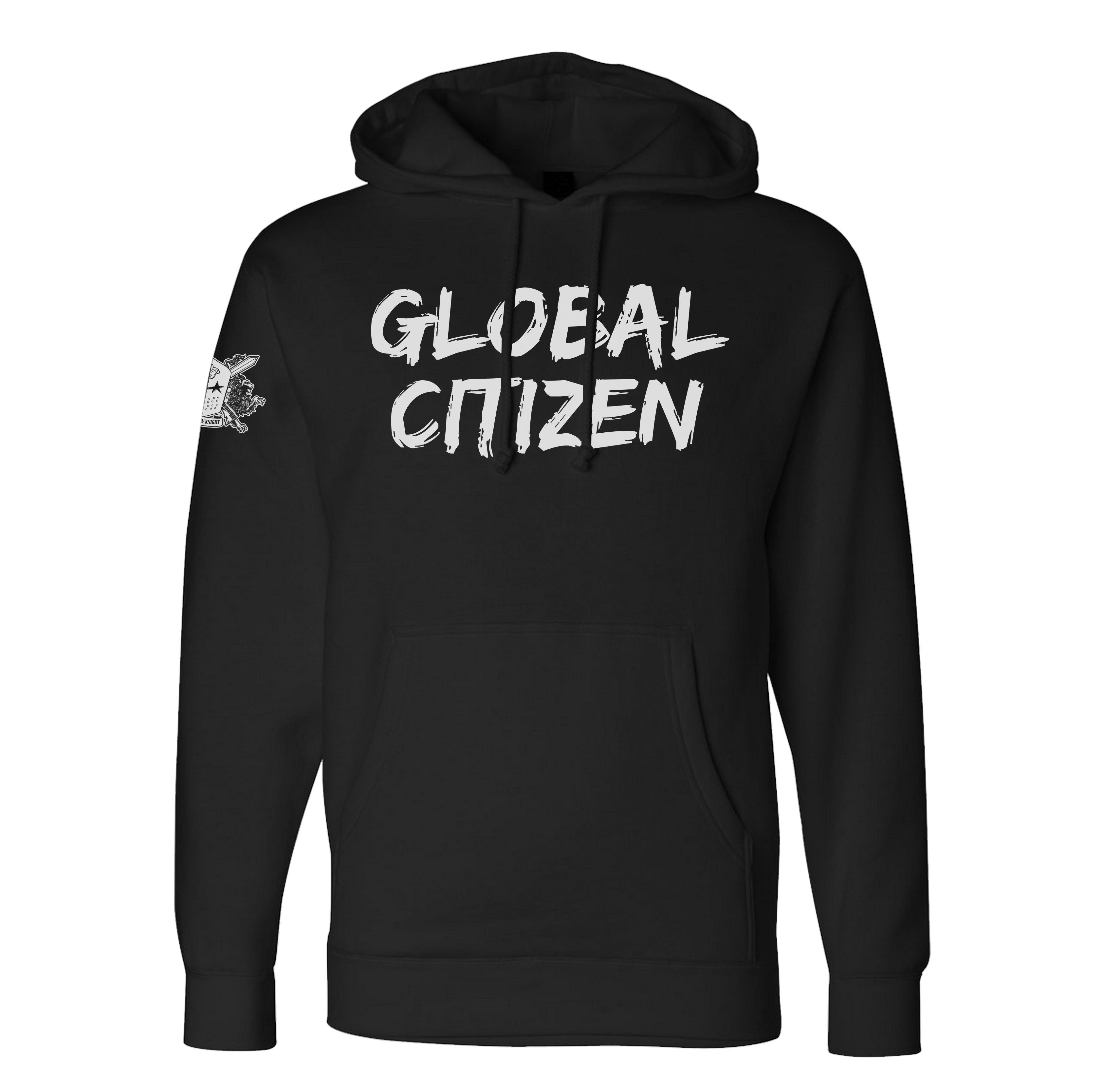
Fit should feel intentional, not baggy or costume-like. A slightly tapered cut through the body with a straight hem reads as everyday civilian wear that still nods to service-rooted design, rather than trying to look tactical.
Care is simple but non-negotiable if you want the print to last. Wash inside-out in cold water, skip the dryer’s high heat setting, and avoid bleach near any graphic. Air-drying or a low-heat tumble cycle keeps ink from cracking, which extends the life of the message by years, not months.
What Wearing Symbolic Apparel Does to Identity and Behavior
Clothing changes how people think and act, not just how they look. This is called enclothed cognition, and the effect is measurable. A 2023 study in Frontiers in Psychology found that wearing military-style clothing increased participants’ sense of agency and shifted empathic responses compared to civilian dress. The uniform didn’t just signal something to others. It changed something internally.
For veterans and supporters, that research lines up with lived experience. A shirt built around mission-first language or a hoodie with a warrior-ethos phrase can reinforce identity, cue discipline, and act as a quiet social signal to others who share the same values. That’s part of why military uniforms carry such strong psychological weight: they reduce individual friction and replace it with a shared code.
The caveat matters, too. Enclothed cognition works both ways. A costume-grade tactical outfit worn for shock value can just as easily distort behavior in the wrong direction. The effect is real, but it isn’t automatically positive. It depends on what the clothing actually represents and whether the wearer understands the code behind it.
From Uniforms to T-Shirts: How This Category Evolved
Empowering message apparel didn’t start with a print shop. It started with the uniform itself, a garment designed to erase rank-and-file individuality in favor of unit cohesion. Military dress has always done double duty: practical protection and psychological signal.
The civilian shift began gradually. Surplus jackets and field gear moved into everyday wardrobes throughout the 20th century, often worn by veterans returning home who simply kept wearing what fit and felt familiar. What changed decades later was intent. Instead of literal surplus gear, brands began printing values-driven language onto standard civilian cuts, tees, hoodies, hats, turning the garment into a message rather than a repurposed uniform.
That shift coincided with a broader cultural embrace of statement clothing across categories that have nothing to do with the military: sobriety movements, recovery communities, faith-based apparel, and social causes all adopted the same basic format. A short phrase, a symbol, a shirt that says something about who you are before you say a word.
The military-inspired branch of that trend kept a tighter thread to its roots, though. Because the source material, service, sacrifice, unit loyalty, carries real consequences, the best brands in this space have leaned toward historical accuracy and restraint rather than trend-chasing. That’s the throughline connecting a WWII-era field jacket to a modern hoodie printed with “never leave a fallen comrade.” Our piece on military-inspired apparel as a lifestyle statement traces that lineage in more detail.
Where Common Slogans Actually Come From
Most empowering messages in this category trace back to specific, documented military language rather than invented marketing copy. “Never leave a fallen comrade” comes directly from the Army’s Warrior Ethos, a formal statement built to be memorized and lived by, not printed for effect. “Mission first” carries the same origin, a directive about prioritizing the objective over personal comfort or ego.
Other phrases draw from broader service culture rather than one branch’s official language. “Integrity, loyalty, strength” style messaging reflects core values shared across the armed forces, values that show up in creeds, oaths, and leadership training long before they show up on a hoodie.
Some of the most resonant designs skip words almost entirely, relying on symbols instead: a shield for protection, a compass for direction under pressure, a knot for loyalty that doesn’t break. These carry meaning precisely because they’re old. A compass has represented direction and steadiness for centuries. Printing one on a tee taps into that history rather than inventing a new one from scratch.
The weakest designs in this space borrow the aesthetic without the substance, slapping “warrior” or “hero” on a shirt with no connection to any actual code or creed. That’s the line between empowering message apparel and empty merchandise. One says something specific. The other just looks like it does.
Respecting Culture and Community in Military-Inspired Design
Cultural sensitivity in this category isn’t about avoiding military themes. It’s about handling them with the specificity they deserve. A shirt referencing “warrior” language pulled loosely from Indigenous or historical warrior traditions without acknowledgment, for instance, risks flattening real cultural history into decoration. The same caution applies inside military culture itself: unit patches, rank insignia, and branch-specific symbols belong to the people who earned them, not to anyone who thinks the graphic looks sharp.
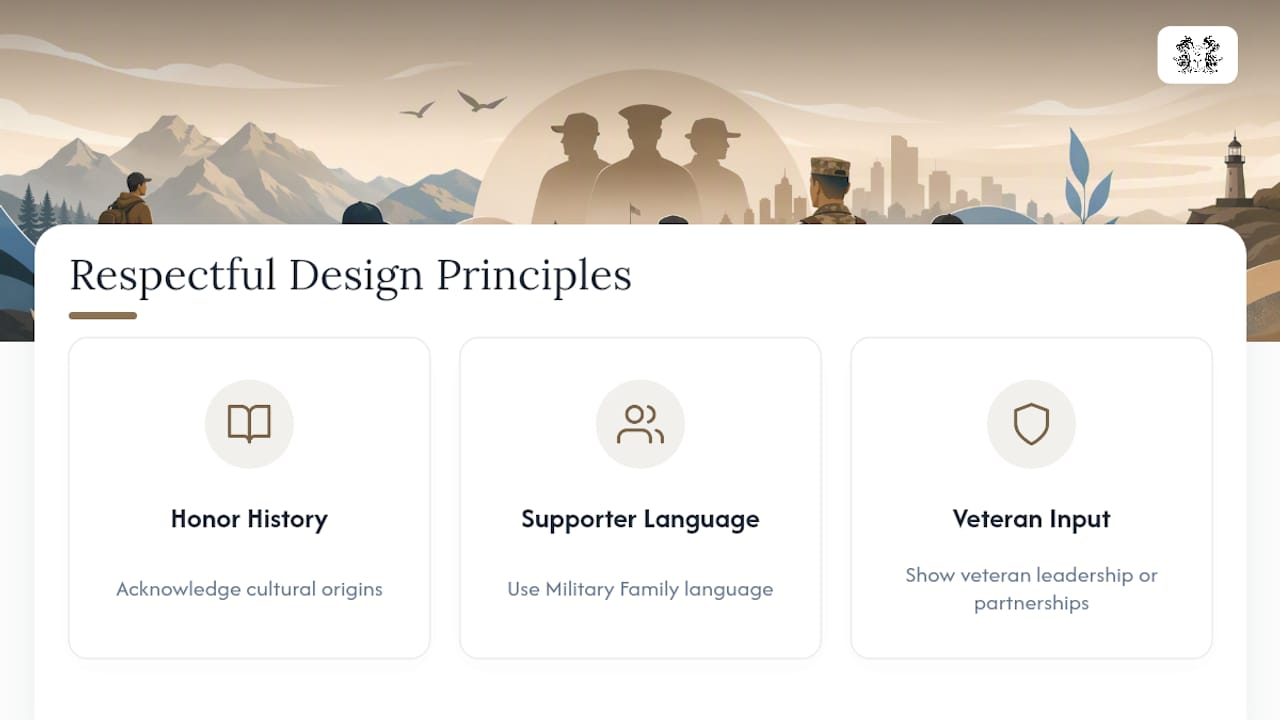
Inclusive design in this space means widening who the message speaks to without diluting what it means. “Military Family” and “Supporter” language does exactly that. It welcomes spouses, parents, and civilian allies into the community without implying they served in uniform. Clear supporter language reduces the risk of misrepresenting service and tends to land better across the veteran community as a result.
The most respectful brands in this category also draw on veteran input directly, whether through veteran designers, veteran-owned leadership, or explicit partnerships that route proceeds back to the community. That practice does more to build trust than any tagline could. A brand that shows its sourcing and ownership openly gives customers a way to verify the values it claims, rather than asking them to take a slogan at face value.
Modern Day Knight: Values-First Options Built for This Standard
This brand is veteran-owned and emphasizes standards such as courage, honor, self-sacrifice, and trust rather than aesthetics for their own sake.
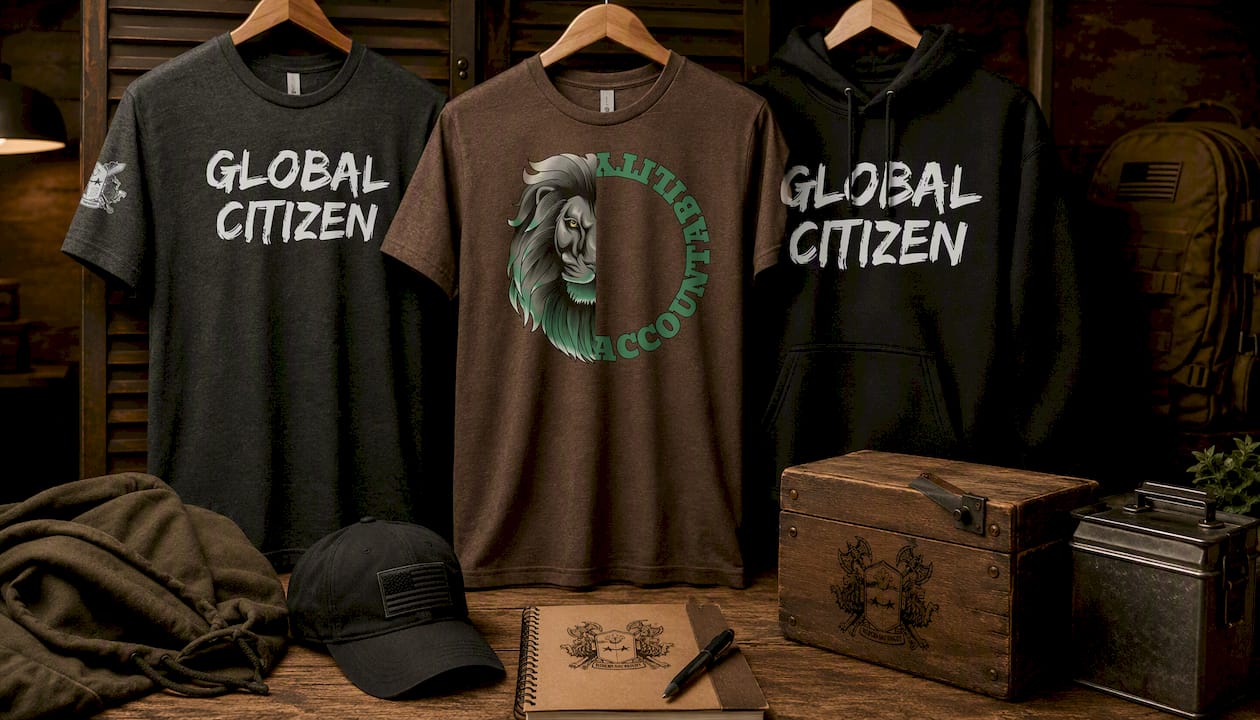
The Global Citizen Tee speaks to a broader sense of purpose and responsibility beyond borders, a fit for anyone who wants a message about global integrity rather than a narrow slogan. The Accountability Tee goes straight at one of the warrior ethos’s core pillars, owning your actions and your word, in a design built for someone who wants that value stated plainly, every day. For cooler weather or a heavier statement, the Global Citizen Hoodie carries the same messaging in midweight fleece, suited to layering through fall and winter without losing the print.
Each piece maps directly to the selection criteria in this guide: honest supporter-and-values messaging, fit built for real life, and materials that hold up to regular wear. Browse the full lineup of gear, hats, and hoodies to find the piece that matches your code, and check out now to start wearing what you believe in.
Why Values Have to Come Before Aesthetics
Fashion moves fast, and military aesthetics have been trend fuel for decades. That’s exactly the problem. When a look outpaces the meaning behind it, the clothing stops honoring anything and starts flattening it into pattern and cut.
We built this brand on the opposite premise: the message has to earn its place on the shirt before the shirt earns a place in your closet. That means every design starts with a value, integrity, loyalty, strength, self-sacrifice, and works backward to the graphic, not the other way around. It’s slower. It’s also the only version of this category that holds up under scrutiny from the people who actually lived the code.
Wear what you believe in. Join a community built on the same standard, not a trend that will fade by next season.
— Modern Day Knight
Sources
- Lead at the Edge — Daniel K. Inouye Asia-Pacific Center for Security Studies
- Frontiers in Psychology — Enclothed cognition study (2023)
- The Militarization of Fashion — Costs of War project (Brown University)
- Preserving the Warrior Ethos — Hudson Institute
- Army
FAQ
What Is Empowering Message Apparel?
It’s military-inspired, values-driven clothing, tees, hoodies, hats, built around warrior ethos principles like integrity, loyalty, and self-sacrifice. It’s distinct from generic motivational apparel because the messaging ties back to real service history and codes rather than vague positivity.
Is It Disrespectful for a Non-Veteran to Wear This Apparel?
No, as long as the messaging is honest. Pieces using supporter language like “Military Family” or values-based phrasing, rather than false service claims or unearned insignia, are well received across the veteran community.
What Should I Avoid When Buying Military-Inspired Clothing?
Avoid decorative unit patches, unearned rank insignia, and vague “tactical” branding with no explanation of meaning. Favor brands that are transparent about ownership and design intent, since veteran-owned brands tend to design with more restraint and accuracy.
How Much Do Modern Day Knight Shirts and Hoodies Cost?
Pricing for the Global Citizen Tee, Accountability Tee, Global Citizen Hoodie, and the rest of the collection is listed directly on each product page at checkout.
Does Wearing Symbolic Clothing Actually Change How You Feel or Act?
Yes, research on enclothed cognition shows military-style clothing can increase a wearer’s sense of agency compared to civilian dress. The effect depends on the clothing genuinely representing the values it claims, not just mimicking a tactical look.


