



Clothing creates veteran community by encoding shared values into wearable signals that veterans and supporters can read, trust, and act on. A patch placement, a muted olive palette, a motto stitched across the chest: these are not decorations. They are a language. The veteran apparel movement works through several interlocking mechanisms: symbolic design cues that signal membership, founder-driven brand narratives that build trust, adaptive clothing features that serve veterans with physical needs, and shared rituals like community events and charitable giving that turn customers into a movement.
- Symbolic literacy: Small design details communicate experience and values without a word spoken.
- Founder narratives: Brands built on lived service translate that story into products people buy into, not just buy.
- Adaptive design: The Veterans Health Administration has documented practical clothing adaptations for veterans with prosthetics, showing that inclusion is a design choice.
- Rituals and events: Community events, exclusive drops, and cause partnerships give apparel a social life beyond the closet.
Peer-reviewed work in the Journal of Veterans Studies confirms that veteran lifestyle brands use founders’ service narratives and patriotic messaging to form communities that draw veterans and sympathetic civilians alike. Moderndayknightco is one concrete example of this model in action.
Key Takeaways
Veteran apparel works because it encodes shared values into wearable signals that let veterans and supporters find one another, build trust, and sustain community across civilian life.
| Point | Details |
|---|---|
| Symbolic literacy is the core mechanism | Small design cues (patches, mottos, color palettes) function as a readable language within the veteran community. |
| Authenticity requires specifics | Look for named founders, documented charitable commitments, and active community presence, not vague “we support veterans” claims. |
| Adaptive design is a values test | Brands that address prosthetic-friendly features and inclusive sizing demonstrate that their commitment to veterans is practical, not just promotional. |
| Apparel supports identity during transition | Veteran clothing acts as a “new uniform” that maintains identity continuity and opens peer connections in civilian settings. |
| Moderndayknightco embodies the model | A veteran-owned brand centered on integrity, loyalty, and strength, with a product line designed as statements of ideals rather than aesthetics. |
Table of Contents
- Why veteran apparel carries meaning beyond the fabric
- How veteran-owned brands create and sustain community
- What adaptive design means for veterans who need it
- Who gets to wear veteran apparel, and why authenticity matters
- Moderndayknightco: values-driven apparel that builds belonging
- How apparel supports veteran transition and peer connection
- How to buy veteran apparel responsibly
- What it feels like to find community through clothing
- Moderndayknightco: apparel built on a code of honor
- Sources
Why veteran apparel carries meaning beyond the fabric
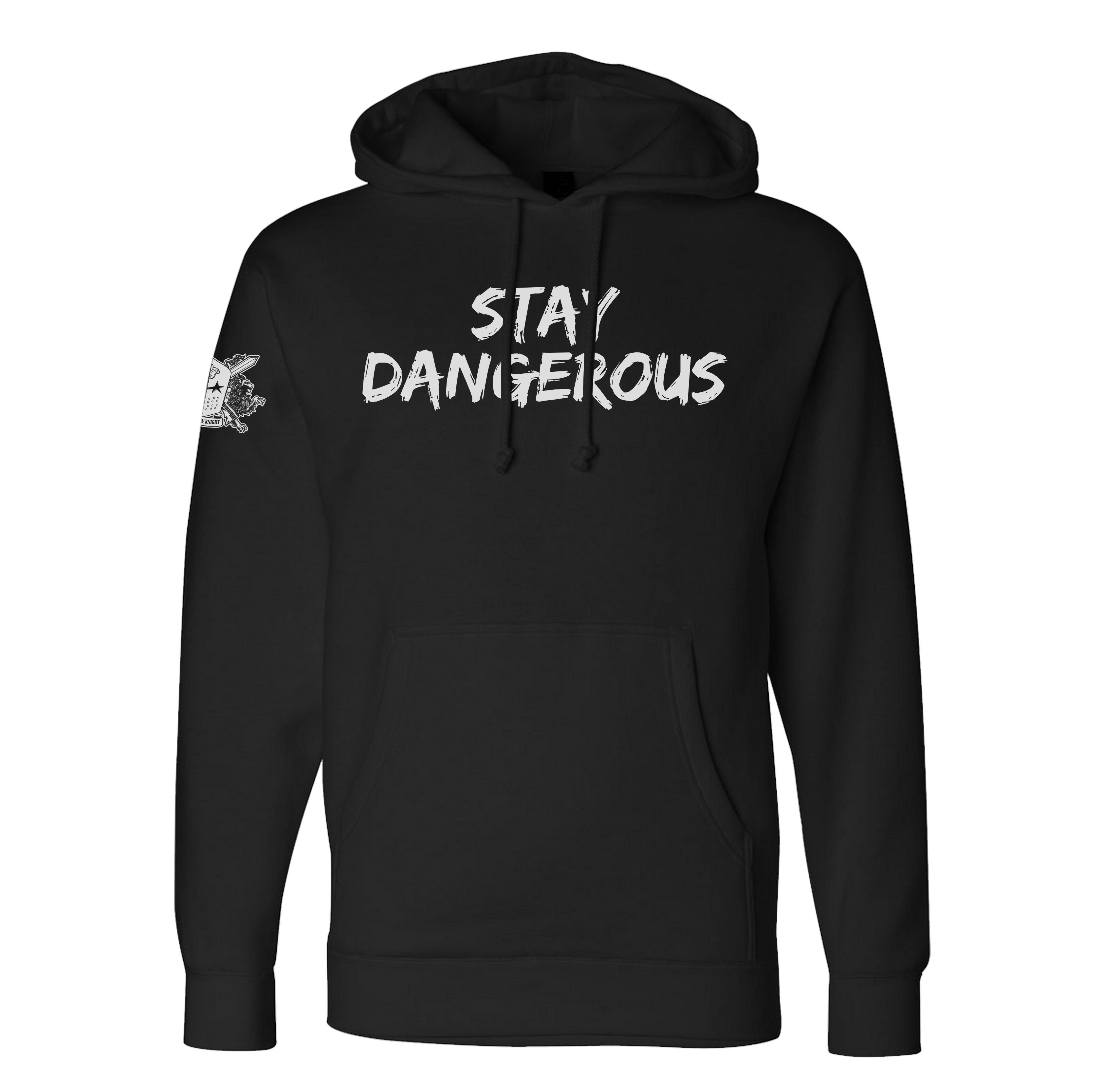
Veteran apparel functions as a readable social language. Sociologists call this symbolic literacy: the ability to decode design cues that signal shared experience, rank, unit history, or values. Within the veteran community, that literacy is nearly universal. Outside it, the signals still communicate respect and alignment, even when the specific meaning is not fully understood.
The social functions are layered:
- Signaling: A service crest or branch color tells other veterans, instantly, that you share a common world.
- Conversation-starting: A stranger at a coffee shop notices a unit reference on a hoodie and says, “I served with the 82nd.” That exchange would not happen without the garment.
- Memorializing: Apparel that references a specific campaign or fallen unit keeps that history present in daily life.
- Recruiting supporters: Civilians who wear values-driven veteran apparel signal solidarity, expanding the community beyond those who served.
Three design cues that function as readable signals:
- Unit references and service crests on chest or sleeve placement communicate branch and era of service.
- Muted, military-adjacent color palettes (olive drab, coyote tan, ranger green) signal familiarity with field culture without stating it outright.
- Subtle patchwork and motto typography carry meaning for those who know the reference, while reading as quality craftsmanship to everyone else.
This is why veteran apparel carries weight that generic lifestyle clothing does not. The design is doing real communicative work. As one consumer guide frames it, veteran t-shirts and apparel serve as a “new uniform” that helps veterans carry identity and spark conversations in civilian life.
How veteran-owned brands create and sustain community
The strongest veteran brands do not just sell clothing. They build belonging. The mechanism starts with the founder’s story and radiates outward through every product, post, and partnership.
Founder narratives as credibility signals
When a brand’s origin story is rooted in actual service, that history becomes embedded in the product. Customers are not just buying a hoodie; they are buying into a set of values they can verify. Peer-reviewed analysis confirms that veteran-founded lifestyle brands convert service narratives into lifestyle marketing that forms genuine communities, drawing both veterans and civilians who share those values.
Community-building tactics that work
- Narrative-driven products: Designs that reference specific values (integrity, loyalty, strength) give wearers a shared vocabulary.
- Charitable partnerships: Many veteran brands commit a portion of proceeds to mental health programs, reentry support, or veteran employment initiatives.
- Community events: Pop-ups, runs, and meet-ups turn online customers into in-person communities.
- Content that teaches symbolic meaning: Blog posts, social content, and email series that explain the “why” behind a design deepen loyalty.
- Exclusive drops and membership mechanics: Limited releases create shared anticipation and a sense of insider belonging.
Trade coverage confirms that many veteran-owned apparel brands integrate charitable giving and community events directly into their business models, treating giving back as a structural commitment rather than a marketing add-on.
Pro Tip: When a brand publishes the specific organization it donates to, the percentage of proceeds, and the impact achieved, that transparency is the single strongest trust signal a veteran community brand can offer. Vague “we give back” language is not the same thing.
Moderndayknightco exemplifies this approach: its products carry values-driven messaging around integrity, loyalty, and strength, and its brand identity is built on a modern code of honor rather than aesthetics alone. Read more about honoring service through fashion on the brand’s blog.
What adaptive design means for veterans who need it
Not every veteran’s body is the same after service. Clothing design that ignores physical realities excludes the people it claims to honor. The Veterans Health Administration has addressed this directly, publishing guidance on designing clothes for veterans with prosthetics that outlines practical adaptations brands and shoppers should know.
Common adaptive needs:
- Prosthetic-friendly sleeve construction (wider openings, adjustable closures)
- Repositioned or eliminated pockets that interfere with prosthetic limb movement
- Flat seams that prevent skin irritation under prosthetics or compression garments
- Wheelchair-optimized cuts with longer back hems and lower front rises
- Magnetic or snap closures replacing buttons that require fine motor control
- Modular or adjustable waistbands for seated comfort
A practical design checklist for shoppers:
- Material: Look for soft, breathable fabrics (cotton-modal blends, moisture-wicking knits) that minimize friction.
- Fastenings: Prefer flat snaps, magnets, or hook-and-loop closures over coarse rivets or small buttons.
- Sizing flexibility: Brands that offer extended sizing and adjustable fits serve a wider range of bodies and mobility needs.
- Seam placement: Flat-felled or bound seams reduce pressure points for prosthetic users.
- Sleeve and leg openings: Wider openings accommodate prosthetics and braces without requiring modification.
The VA’s guidance highlights that small design changes, like repositioning pockets and replacing coarse rivets with flat snaps, dramatically increase daily wearability for prosthetic users. These are not expensive engineering challenges. They are intentional choices.
Pro Tip: Before purchasing, check whether a brand lists adaptive features in its product descriptions. A brand that has thought about prosthetic users will say so explicitly, not bury it in a size chart footnote.
Who gets to wear veteran apparel, and why authenticity matters
Veteran apparel carries informal membership rules. Most of them are unspoken, but they are real.
Implicit vs. explicit signals
Veterans generally distinguish between apparel that signals shared values (accessible to anyone who holds them) and apparel that claims specific service experience (unit insignia, campaign ribbons, rank designations). Wearing a values-driven brand that says “integrity” or “strength” is open to anyone. Wearing a replica unit patch from a unit you never served in is a different matter entirely.
How to evaluate brand authenticity:
- Founder history: Is the founder’s service background documented and verifiable, not just implied?
- Transparent charitable practices: Does the brand name the organization, the mechanism, and the impact, or does it use vague language?
- Veteran employment: Does the brand employ veterans in meaningful roles, not just in its marketing copy?
- Provenance and production: Where are garments made? Domestic production is not required, but transparency is.
- Community events and partnerships: Does the brand show up in the veteran community, or only in its own advertising?
Some brands go further by honoring underrepresented military histories. A 2022 Army Times feature documented how one veteran-founded brand pays homage to the Triple Nickles, the first all-Black paratrooper regiment, using design to expand representation and promote unity across the veteran community. That kind of intentional storytelling is what separates mission-driven brands from marketing-first ones.
The patriotism and design ethics behind veteran apparel matter because the community notices. Authenticity is not a marketing strategy here. It is the price of admission.
Moderndayknightco: values-driven apparel that builds belonging
Moderndayknightco is a veteran-owned apparel brand built on a modern code of honor. Its product line includes t-shirts, hoodies, hats, and accessories, all carrying values-driven messaging centered on integrity, loyalty, and strength. The brand’s founding premise is that clothing should be a statement of ideals, not just aesthetics.
What the brand does in practice:
- Products carry explicit values messaging that gives wearers a shared vocabulary.
- The brand’s identity is rooted in the “modern knight” metaphor: a contemporary code of honor that connects historic chivalric ideals to present-day character.
- Its military-inspired apparel is designed to serve veterans, military supporters, and anyone motivated by the warrior ethos.
What this teaches other brands:
- Ground the brand identity in a specific, defensible value set, not a general “we support veterans” claim.
- Make the founder’s story visible and verifiable.
- Design products that carry meaning for the wearer, not just imagery that looks military-adjacent.
- Build community touchpoints (content, events, cause partnerships) that give customers a reason to stay connected beyond the purchase.
Pro Tip: The brands that sustain long-term community engagement are the ones that provide rituals: recurring events, mentorship programs, or annual campaigns that give members something to show up for together.
Moderndayknightco’s approach to military values in modern fashion offers a practical model for how values-first design translates into community loyalty.
How apparel supports veteran transition and peer connection
The shift from military to civilian life is one of the hardest identity transitions a person can make. Uniform, rank, unit: all of it disappears on separation day. Veteran apparel steps into that gap.
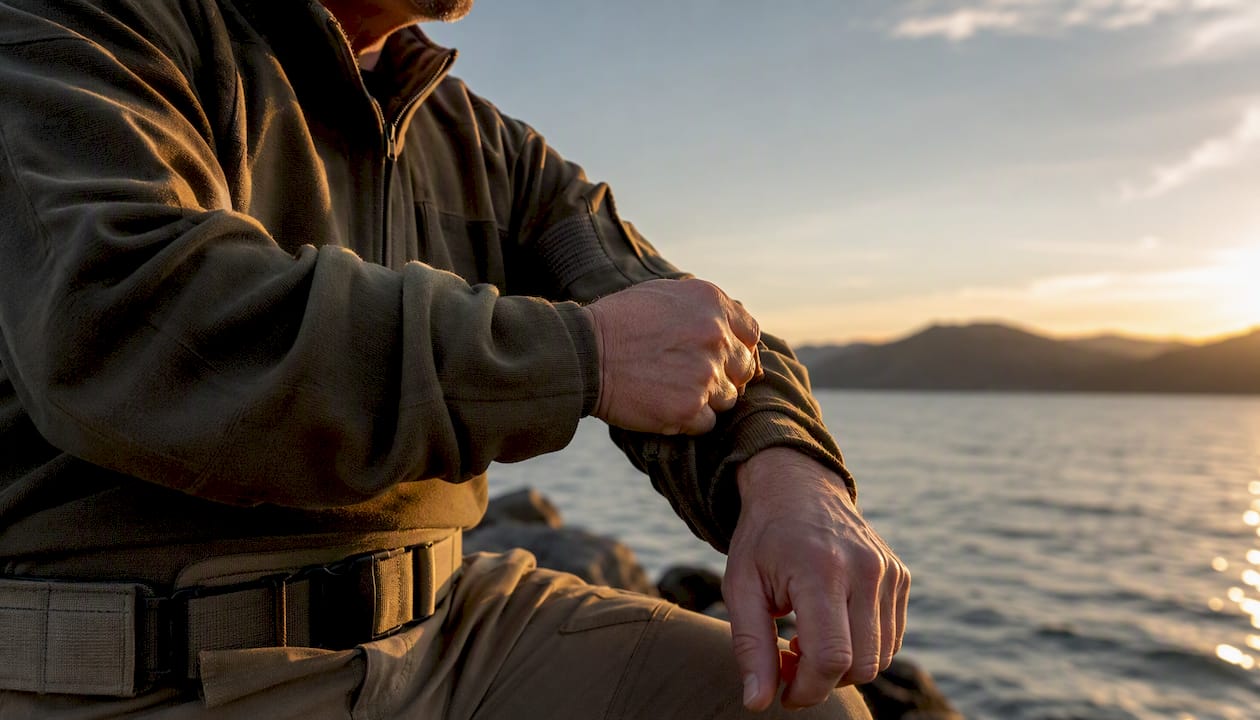
Clothing acts as a social beacon. A veteran wearing a values-driven brand or a subtle service reference in a gym, at a volunteer event, or in a community meeting sends a signal that other veterans can read and respond to. That recognition, often wordless at first, opens the door to peer connection that supports mental health and belonging.
Concrete social contexts where veteran apparel helps:
- Gyms and fitness communities: Service-adjacent apparel signals shared discipline and often sparks introductions.
- Community events and volunteer activities: Wearing values-driven clothing communicates character before a conversation starts.
- Workplaces: Subtle veteran apparel helps veterans find one another in civilian environments where service history is not obvious.
- Support group settings: Familiar design cues reduce the friction of asking for help by establishing shared identity first.
The “new uniform” framing matters here. Veterans are trained to read uniforms as information. Civilian clothes carry no such structure. Values-driven veteran apparel restores a layer of legibility to social environments that can otherwise feel disorienting. It signals continuity: I still hold these values. I am still part of this community.
The ways clothing builds military community go well beyond aesthetics. They are practical tools for identity maintenance and peer reconnection during one of life’s most demanding transitions.
How to buy veteran apparel responsibly
Not every brand that uses the word “veteran” in its marketing is veteran-led or mission-driven. Here is how to tell the difference before you spend.
Authenticity signals to look for:
- Documented founder story: A named founder with verifiable service history, not a vague “founded by veterans” claim.
- Specific charitable commitment: Named organization, stated percentage or dollar amount, and documented impact.
- Veteran employment: Evidence that veterans work at the company in roles beyond marketing.
- Production transparency: Where and how garments are made.
- Active community presence: Events, partnerships, or content that shows the brand operating in the veteran community, not just advertising to it.
Five questions to ask before you buy:
- Who founded this brand, and what is their service background?
- Where does the charitable giving go, and how much?
- Does this brand employ veterans?
- Are the garments made with the durability and quality the brand claims?
- Does this brand show up in veteran spaces, or only in paid advertising?
| Claim | What to look for on the brand site |
|---|---|
| “Veteran-owned” | Named founder with documented service history |
| “We give back” | Named charity, stated percentage, and impact report |
| “Community-focused” | Event listings, partnerships, or community content |
| “Quality craftsmanship” | Material specs, production location, and warranty or return policy |
| “Values-driven” | Explicit statement of values with product designs that reflect them |
Trade reporting confirms that the strongest veteran-owned brands treat charitable giving and community engagement as structural commitments, not seasonal campaigns. That distinction shows up in the specifics.
What it feels like to find community through clothing
There is a moment that veterans describe in different ways, but the shape of it is always the same. You are somewhere ordinary: a hardware store, a waiting room, a parking lot. Someone across the room is wearing a hoodie with a motto you recognize. Not a famous slogan. Something specific. Something that only lands if you know what it means.
You do not say anything right away. But you make eye contact, and there is a half-second of recognition that does not need words. Then one of you says something, and within three minutes you are talking about places and people and experiences that the rest of the room has no frame for.
That is symbolic literacy in action. The clothing did not create the connection. It created the conditions for the connection. It lowered the cost of the first move. It said: I hold these values. I have been where you have been. You can trust me enough to say hello.
That is the whole mechanism of veteran community through fashion explained in a single exchange. The apparel is the signal. The community is what grows from it.
Moderndayknightco: apparel built on a code of honor
Moderndayknightco is the veteran-owned brand for people who want clothing that carries real weight. Every piece in the apparel collection is built around the values this article has been describing: integrity, loyalty, strength, and a modern code of honor that connects warrior culture to everyday life.
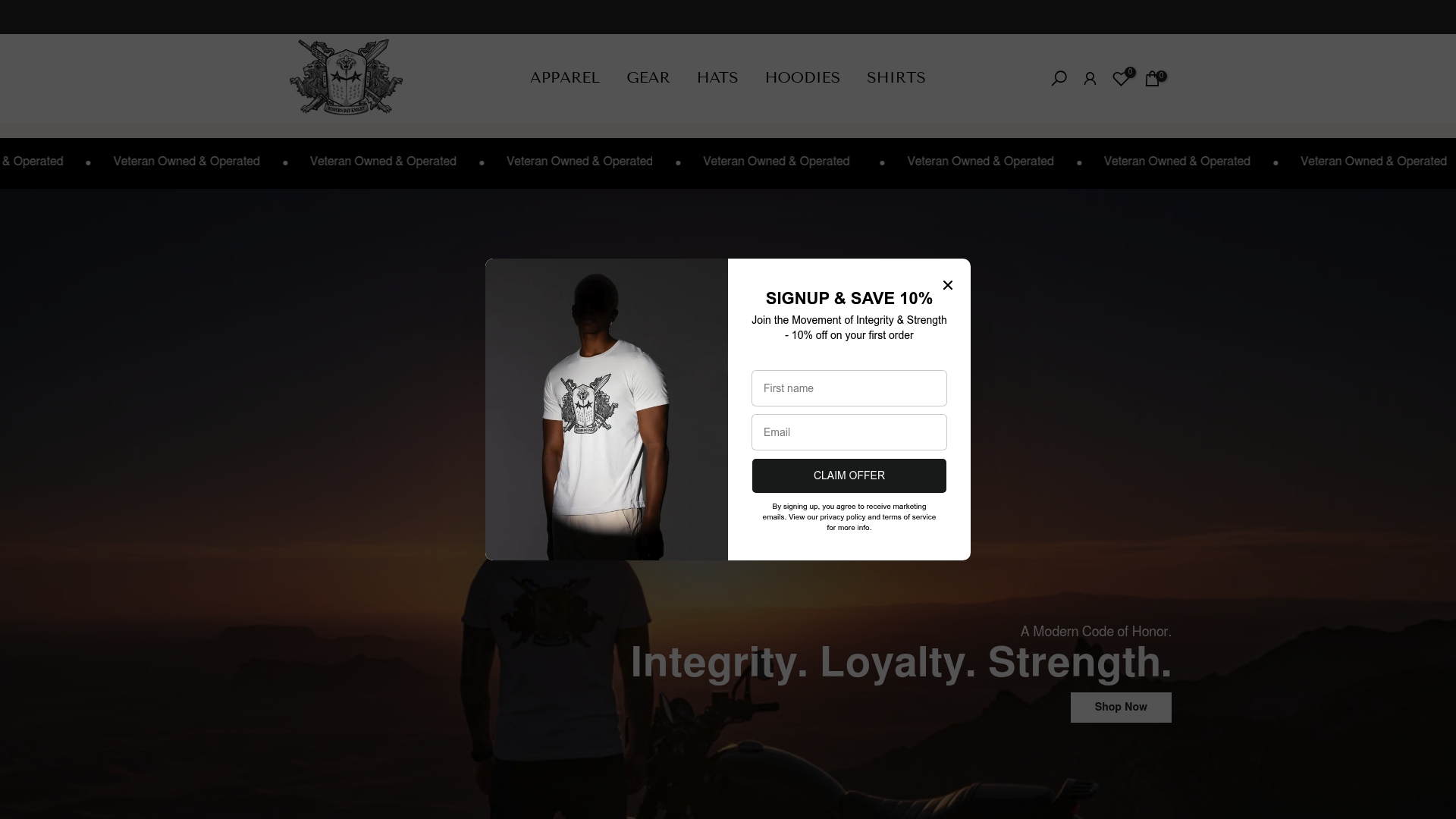
This is not fast fashion with a flag on it. Moderndayknightco is veteran-owned and operated, and its products are designed to be worn as statements of identity, not just style. Whether you are a veteran looking for a new uniform that carries your values forward, or a supporter who wants to stand with the community, the collection gives you something to wear that means something. Browse the full apparel line at Moderndayknightco and find the piece that speaks to who you are.
Sources
The sources below ground the claims in this article. Each entry notes what it supports so you can go deeper on the areas that matter most to you.
- Designing Clothes for Veterans with Prosthetics
- Veteran lifestyle branding and patriotism (Journal of Veterans Studies)
- Wear Your Pride: Rise Of Veteran-Owned Apparel Brands
- Clothing company pays homage to first all-Black paratrooper regiment
- Veterans T-Shirts Explained: The Symbolism Behind Military Pride Clothing


