



No single fabric wins every situation. Cotton vs polyester shirts come down to one question: what job does this shirt need to do? Cotton earns its place for everyday comfort and skin-friendly wear. Polyester earns its place for moisture management, shape retention, and hard-wearing durability. Blends earn their place when you need both.
Here’s the quick match by use case:
- Everyday comfort and casual wear: 100% ringspun cotton or an 80/20 cotton-poly blend
- Activewear and high-output work: Polyester or a polyester-dominant blend with moisture-wicking construction
- Printed merch and custom designs: Cotton-rich for DTG and screen print; high-polyester for sublimation
- Travel and wrinkle resistance: Polyester or 60/40 poly-cotton blend
- Heavy-duty, long-life uniforms: 65/35 poly-cotton or a durable 50/50 blend tested against ISO 12947 Martindale abrasion standards
One caveat worth keeping front of mind: fabric construction, yarn type, and finish often matter more than the fiber label alone. A tightly knit polyester can outperform a loosely woven cotton on almost every metric. Choose with intention.
Key Takeaways
Cotton excels at everyday comfort and print quality; polyester wins on durability, moisture management, and wrinkle resistance; blends and construction details determine which fabric actually performs best for your specific use case.
| Point | Details |
|---|---|
| Match fiber to the job | Cotton for comfort and DTG printing; polyester for performance, travel, and sublimation; blends for both. |
| Construction beats fiber label | Yarn type, knit weight, and finish change performance more than fiber content alone. |
| Microfiber shedding is real | Polyester sheds measurable microplastics per wash; cold water, gentle cycles, and lint filters reduce release. |
| Care extends shirt life | Cold wash, inside-out, low-heat dry, and enzyme detergent for polyester are the four habits that matter most. |
| Moderndayknightco shirts | Built for heavy-duty wear with fabric weight and construction chosen for longevity and daily purpose-driven use. |
Table of Contents
- What cotton and polyester actually are
- How cotton and polyester shirts compare across what matters
- Pros and cons you can actually use
- Why blends exist and which ratio fits your needs
- Which print method works best with each fabric
- How to wash and care for cotton, polyester, and blends
- The environmental trade-offs you should know
- How to choose the right fabric for your specific use case
- Moderndayknightco’s care tips for shirts built to last
- The verdict on fiber choice: match it to the mission
- Shirts built for people who live with purpose
- Sources
What cotton and polyester actually are
Cotton is a natural cellulose fiber harvested from the seed pods of the Gossypium plant. As a plant-derived cellulose fiber, it breathes well, feels soft against skin, and absorbs moisture readily. The hand is familiar and comfortable, which is why it has been the default for everyday shirts for generations.
Polyester is a synthetic fiber made from polyethylene terephthalate (PET), a petroleum-derived polymer. It is engineered rather than grown, which gives manufacturers control over its properties: moisture-wicking behavior, shape retention, and resistance to abrasion and wrinkles. The trade-off is a less natural hand and lower breathability in many standard constructions.
The one-sentence contrast: cotton absorbs moisture and breathes freely but wrinkles, shrinks, and wears down faster; polyester repels moisture, holds its shape, and resists wear but can trap heat and hold odor in lower-quality constructions.
How cotton and polyester shirts compare across what matters
Fabric performance is rarely a single number. Thermo-physiological research confirms that yarn type and fiber linear density strongly influence thermal resistance, wicking, and air permeability, so two shirts with the same fiber content can behave differently depending on how they were knit or woven.
| Dimension | Cotton | Polyester | Construction note |
|---|---|---|---|
| Comfort and skin sensitivity | Soft, natural hand; low irritation risk | Can feel synthetic or rough at lower quality | Ringspun and combed cotton noticeably softer; brushed polyester closes the gap |
| Breathability and thermal comfort | High air permeability; stays cool in dry heat | Lower in standard weaves; better in open-knit or mesh constructions | Knit gauge and weave structure matter more than fiber alone |
| Moisture-wicking and drying speed | Absorbs moisture well; slow to dry | Wicks moisture away from skin; dries fast | Hydrophobic finishes on polyester improve wicking; cotton stays wet longer |
| Durability and abrasion resistance | Good for light-to-moderate use; pills with friction | Higher abrasion resistance in most constructions | Martindale cycle counts vary by weight and knit; test rather than assume |
| Wrinkle resistance and travel | Wrinkles easily; needs ironing or tumble dry | Resists wrinkles; packs and recovers well | 60/40 poly-cotton blends offer a practical middle ground |
| Printing and decoration | Excellent for DTG and screen print; vivid color absorption | Required for sublimation; screen print adhesion varies | Fiber content directly determines which print method works |
| Care and shrinkage | Can shrink 3–5% or more if not pre-shrunk; hand-wash or cool machine wash | Minimal shrinkage; machine-wash friendly | Pre-shrunk and ringspun labels reduce cotton shrinkage risk |
| Environmental concerns | Biodegradable; water-intensive to grow | Sheds measurable microplastic fibers during washing; slow to biodegrade | Tighter constructions and lint filters reduce polyester shedding |
| Typical price and value | Moderate; quality ringspun commands a premium | Often lower cost at similar weight; performance versions cost more | Price reflects yarn quality and finishing, not fiber alone |
The single most overlooked variable: fabric weight. A 6.1 oz ringspun cotton tee will outlast and outperform a 4.2 oz cotton tee in almost every category. Weight is printed on most quality product pages and worth checking before you buy.
Pros and cons you can actually use
Cotton
Pros:
- Natural, breathable hand that most people find comfortable against skin all day
- Absorbs and holds print ink well for DTG and screen printing
- Low risk of skin irritation for sensitive wearers
- Biodegradable at end of life
Cons:
- Shrinks without pre-shrunk treatment, sometimes significantly in the first wash
- Wrinkles and needs care to maintain a clean look
- Slower to dry; stays damp after heavy sweat or rain
- Wears down faster than polyester under repeated abrasion
Polyester
Pros:
- Wicks moisture away from skin and dries fast, which matters in heat or high-output work
- Holds shape and resists wrinkles through repeated washes
- Higher abrasion resistance in most standard constructions
- Resists shrinking and color fading over time
Cons:
- Traps body odor in lower-quality constructions; requires enzyme or sports detergent to clear
- Sheds microplastic fibers during washing, a real environmental concern
- Lower breathability in dense weaves; can feel warm in humid conditions
- Sublimation printing only; DTG and some screen-print methods underperform on high-poly fabrics
Construction and finish determine performance. Fiber content is just the starting point.*
Why blends exist and which ratio fits your needs
Blends exist because neither fiber is perfect on its own. The goal of a cotton-polyester blend is to capture cotton’s comfort and polyester’s performance in a single fabric. The ratio determines how far the blend leans toward each.
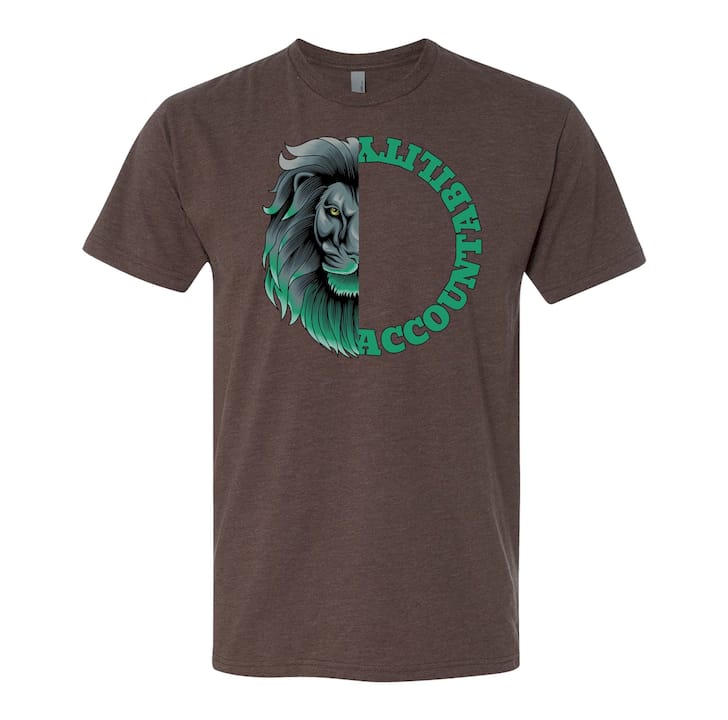
50/50 cotton-polyester is the workhorse of the uniform and merch world. It shrinks less than pure cotton, resists wrinkles better, and costs less to produce. The hand is slightly less soft than ringspun cotton but noticeably more durable. It works well for screen printing and holds color reliably.
60/40 poly-cotton tips toward polyester’s performance benefits while keeping enough cotton for a comfortable hand. Travel shirts and everyday work shirts often land here. Wrinkle recovery is strong, and the shirt packs well without looking destroyed.
80/20 cotton-poly keeps most of cotton’s softness and breathability while adding just enough polyester for shape retention and reduced shrinkage. A good choice for lifestyle shirts where comfort is the priority but you want the shirt to hold up through heavy rotation.
Tri-blends (typically cotton, polyester, and rayon) produce an exceptionally soft, drapey hand. The rayon adds a silky quality that neither cotton nor polyester delivers alone. Tri-blends are popular for premium lifestyle tees but are less suited to hard-wearing or high-sweat use because rayon weakens when wet.
Research on CO/PET interwoven fabrics shows that engineered constructions with a hydrophobic-to-hydrophilic gradient can improve one-way moisture transfer beyond what a simple blend achieves, making them worth seeking out for summer performance shirts.
When reading product descriptions, look for these signals: ringspun means the yarn is tighter and softer than open-end spun yarn; combed means short fibers were removed for a smoother, stronger result; fabric weight in oz/yd² tells you how substantial the shirt will feel and how long it will last.
Which print method works best with each fabric
Print method and fabric content are inseparable. Getting this wrong means wasted shirts and faded designs.
-
DTG (direct-to-garment) printing works best on 100% cotton or cotton-rich blends of 80% cotton or higher. Cotton fibers absorb water-based inks deeply, producing vivid, detailed prints with a soft hand. Polyester content above 20% can cause the ink to sit on the surface rather than bond, leading to fading and cracking after washing.
-
Sublimation printing requires a minimum of 65% polyester content, and 100% polyester produces the sharpest, most durable results. Sublimation dye bonds directly with polyester fibers through heat; on cotton, the dye has nothing to bond to and the image washes out quickly. White or light-colored polyester shirts give the truest color reproduction.
-
Screen printing is the most forgiving across fiber contents. It performs well on 100% cotton, 50/50 blends, and 100% polyester, though ink adhesion and hand feel vary. Cotton absorbs plastisol ink for a softer print; polyester may require a special ink or a lower cure temperature to avoid dye migration (where the shirt’s dye bleeds into the print).
-
Embroidery works across all fiber contents. The main variable is fabric stability: tightly woven or knit fabrics hold embroidery cleaner than loose, stretchy constructions. A heavier-weight fabric (5.5 oz or above) gives the needle a more stable base and produces a crisper result.
Pro Tip: Always request a sample print before committing to a bulk order. Print suppliers often list recommended fabric specs in their product notes. Match those specs exactly, and test wash the sample twice before approving the run.
How to wash and care for cotton, polyester, and blends
Getting care right extends shirt life significantly. The wrong temperature or detergent can shrink cotton, pill polyester, or accelerate microfiber shedding.
For cotton shirts:
- Wash in cold or warm water (up to 86°F / 30°C) to minimize shrinkage
- Use a gentle cycle for ringspun or combed cotton; standard cycle for heavier weights
- Tumble dry on low or air dry to preserve shape and reduce further shrinkage
- Pre-shrunk cotton is more forgiving, but cold water is still the safer default
- Iron inside-out on medium heat to protect any printed graphics
For polyester shirts:
- Machine wash cold; polyester holds its shape and color well at low temperatures
- Avoid high heat in the dryer; high heat can set wrinkles permanently into synthetic fibers
- Use a sports or enzyme detergent to break down odor-causing bacteria trapped in the fibers
- Wash inside-out to reduce surface pilling from friction against other garments
- Skip fabric softener; it coats polyester fibers and reduces moisture-wicking performance
For blended shirts:
- Follow the care instructions for the dominant fiber
- Cold water and low-heat drying is a safe default for any blend
- Check the label for specific shrinkage warnings on cotton-heavy blends
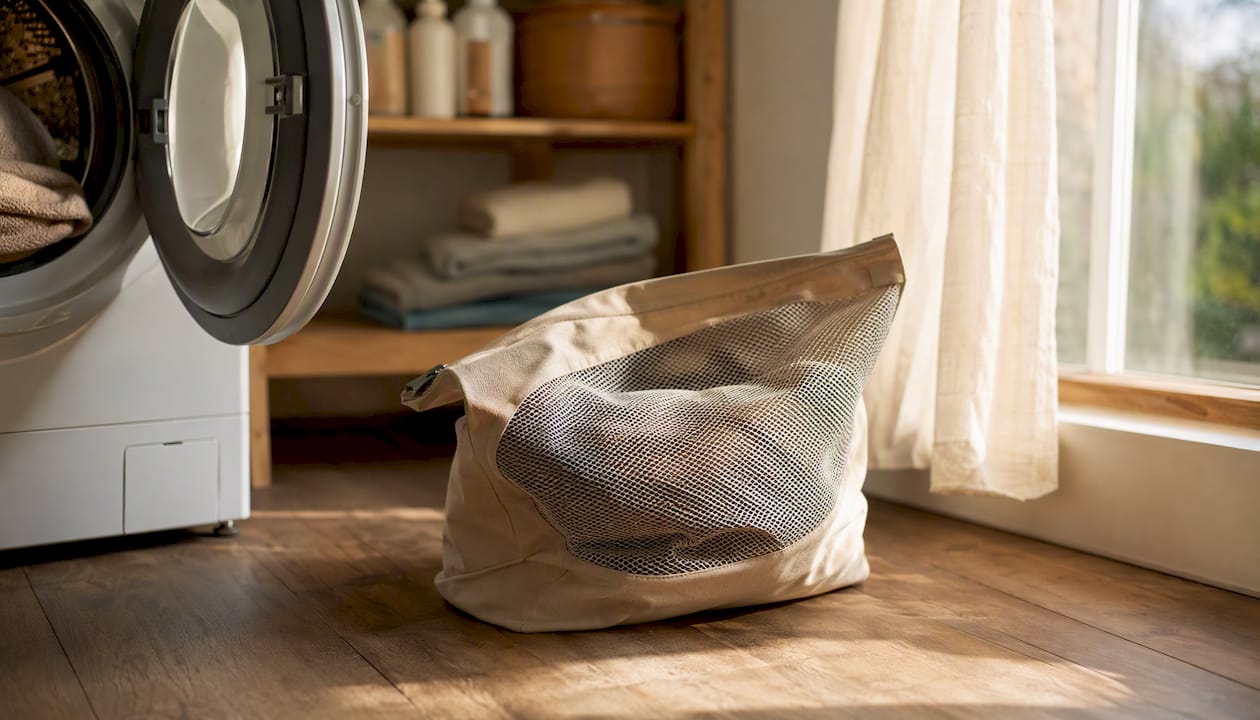
Pilling is mostly a friction problem. Turn shirts inside-out, use a mesh laundry bag for delicate or lightweight shirts, and avoid washing with heavy items like denim or towels. For odor control in polyester, soaking in a diluted white vinegar solution before washing can help clear residual bacteria that standard detergent misses.
Pro Tip: Washing temperature and machine agitation level are the two biggest variables affecting microfiber release from synthetic fabrics. Cold water and a gentle cycle reduce shedding meaningfully. A lint trap filter on your washing machine captures fibers before they reach the water supply.
The environmental trade-offs you should know
Polyester’s environmental story has two sides. It is durable and long-lasting, which reduces replacement frequency. But it sheds microplastic fibers every time it is washed, and those fibers enter waterways.
Peer-reviewed lab work published in Environmental Science & Technology confirmed that polyester textiles release measurable microplastic fibers during simulated household washing, with release quantities varying based on washing conditions and fabric properties. A 2025 MDPI study found measurable mass loss and fibrous microplastic release from polyester fabrics after repeated wash cycles, and detergent use altered the amount of release in tested samples.
Shedding is not uniform across all polyester garments. Research measuring fiber shedding across multiple fabric types found that knit construction, fabric age and wear, and detergent use all significantly affect how much a garment sheds. Looser constructions and older, abraded fabrics shed more. Tighter, higher-twist yarns shed less.
| Environmental factor | Cotton | Polyester | Notes |
|---|---|---|---|
| Microfiber shedding | Minimal (natural fibers biodegrade) | Measurable per wash cycle | Mitigation: lint filters, Guppy Bags, cold/gentle wash |
| Biodegradability | Biodegrades over time | Slow to biodegrade (PET polymer) | Blends are harder to recycle than single-fiber fabrics |
| Water use in production | High (conventional cotton is water-intensive) | Lower water use in production | Organic cotton reduces water and pesticide impact |
| Recyclability | Recyclable but limited infrastructure | PET recyclable in some programs | Single-fiber garments are easier to recycle |
Practical mitigation steps for polyester wearers: use a Guppy Bag or similar microfiber-catching laundry bag, install a lint filter on your washing machine’s drain hose, wash on cold and gentle, and wash less frequently when possible. For durability evaluation beyond a brand’s marketing claims, ISO 12947 Martindale abrasion testing is the standardized framework that measures how many abrasion cycles a fabric withstands before showing wear, giving you a real number to compare rather than a fiber label.
How to choose the right fabric for your specific use case
Match the fiber to the job. Here is a use-case checklist.
-
Everyday comfort and casual wear: Choose 100% ringspun cotton or an 80/20 cotton-poly blend. Ringspun cotton is softer than open-end spun cotton because the yarn is twisted more tightly, removing short fibers and producing a smoother surface. Confirm the label says “pre-shrunk” or “ringspun” before buying. Quick check: Does the shirt weigh at least 5.3 oz/yd²? If not, it may feel thin after a few washes.
-
Activewear and high-output work: Choose 100% polyester or a polyester-dominant blend with a moisture-wicking or hydrophobic finish. Avoid cotton here; it holds sweat against your skin and stays wet. Quick check: Does the product description mention “moisture-wicking” or “performance knit”? If not, it is likely a standard construction that will not manage sweat well.
-
Printed merch and custom designs: Match the fabric to your print method first. DTG requires 80–100% cotton. Sublimation requires 65–100% polyester. Screen print works across most contents but confirm ink type with your printer. Quick check: Does your print supplier list a recommended fabric spec? Match it exactly.
-
Travel shirts: Choose 60/40 poly-cotton or 100% polyester. Wrinkle recovery is the priority. Pack the shirt tightly for 24 hours and shake it out; if it recovers, the blend works for your travel style.
-
Heavy-duty, long-life shirts: Choose a 65/35 poly-cotton blend or a heavyweight 100% cotton (6 oz or above) with a tight knit. Look for Martindale abrasion test data if the brand provides it. Rotate shirts in your wardrobe to distribute wear evenly across the collection.
-
Sensitive skin: Choose 100% combed ringspun cotton or a certified organic cotton. Avoid polyester directly against sensitive skin in warm conditions; synthetic fibers can cause friction irritation during extended wear.
Three quick yes/no checks at point of purchase:
- Is the fabric weight listed, and is it 5.3 oz or above for everyday use?
- Does the label or product page specify ringspun, combed, or pre-shrunk for cotton shirts?
- Does the print method match the fiber content (DTG on cotton, sublimation on polyester)?
Moderndayknightco’s care tips for shirts built to last
At Moderndayknightco, we build shirts for people who live with purpose and wear their values every day. That means the shirt needs to hold up. Here is how we recommend caring for your gear to get the most life out of every piece.
- Wash cold, always. Cold water protects color, reduces shrinkage in cotton-blend shirts, and lowers microfiber release from any synthetic content. It is the single highest-impact laundry habit.
- Turn shirts inside-out before washing. This protects printed graphics and reduces surface pilling from friction against other garments in the drum.
- Low heat in the dryer or air dry. High heat is the fastest way to degrade both cotton fibers and polyester constructions. Low heat or air drying extends shirt life measurably.
- Use the right detergent. For cotton-heavy shirts, a standard gentle detergent works well. For any polyester content, a sports or enzyme detergent clears odor-causing bacteria that standard detergent leaves behind.
- Inspect wear points regularly. Check collar edges, underarms, and any area that contacts a pack strap or body armor. Early pilling or thinning at these points is a signal to rotate that shirt out of heavy-duty rotation before it fails.
- Rotate your wardrobe. Wearing the same three shirts into the ground shortens their life. Rotating across five or more shirts distributes wear and extends the life of every piece in the collection.
For a deeper look at maintaining gear built for demanding use, the Moderndayknightco care guide for heavy-duty lifestyle garments covers wash settings, storage, and inspection routines in full detail.
The verdict on fiber choice: match it to the mission
The conventional wisdom says cotton is always more comfortable and polyester is always more durable. That is too simple to be useful. A cheap, loosely woven cotton shirt is neither comfortable nor durable. A well-engineered polyester with a moisture-wicking finish and tight construction can be more breathable in humid conditions than a mid-weight cotton. The fiber is the starting point. Construction, weight, and finish determine the outcome.
What we believe at Moderndayknightco: wear what serves the mission. If the mission is all-day comfort and a clean print that holds its integrity wash after wash, ringspun cotton is the right call. If the mission is hard use, fast drying, and shape retention through a hundred washes, polyester or a durable blend earns its place. Material innovation is moving fast; engineered blends with hydrophobic-to-hydrophilic gradients are already producing performance that neither fiber achieves alone. Watch for those constructions in the next generation of performance lifestyle shirts.
Test samples before bulk orders. Read the fabric weight. Check the yarn type. Match the fiber to the job.
Shirts built for people who live with purpose
The fabric debate matters most when the shirt has to perform. Moderndayknightco shirts are selected for people who need gear that holds up through real use, not just looks good on a rack. Every piece reflects the same standard we hold ourselves to: integrity in the details, strength in the construction, loyalty to the people wearing it.
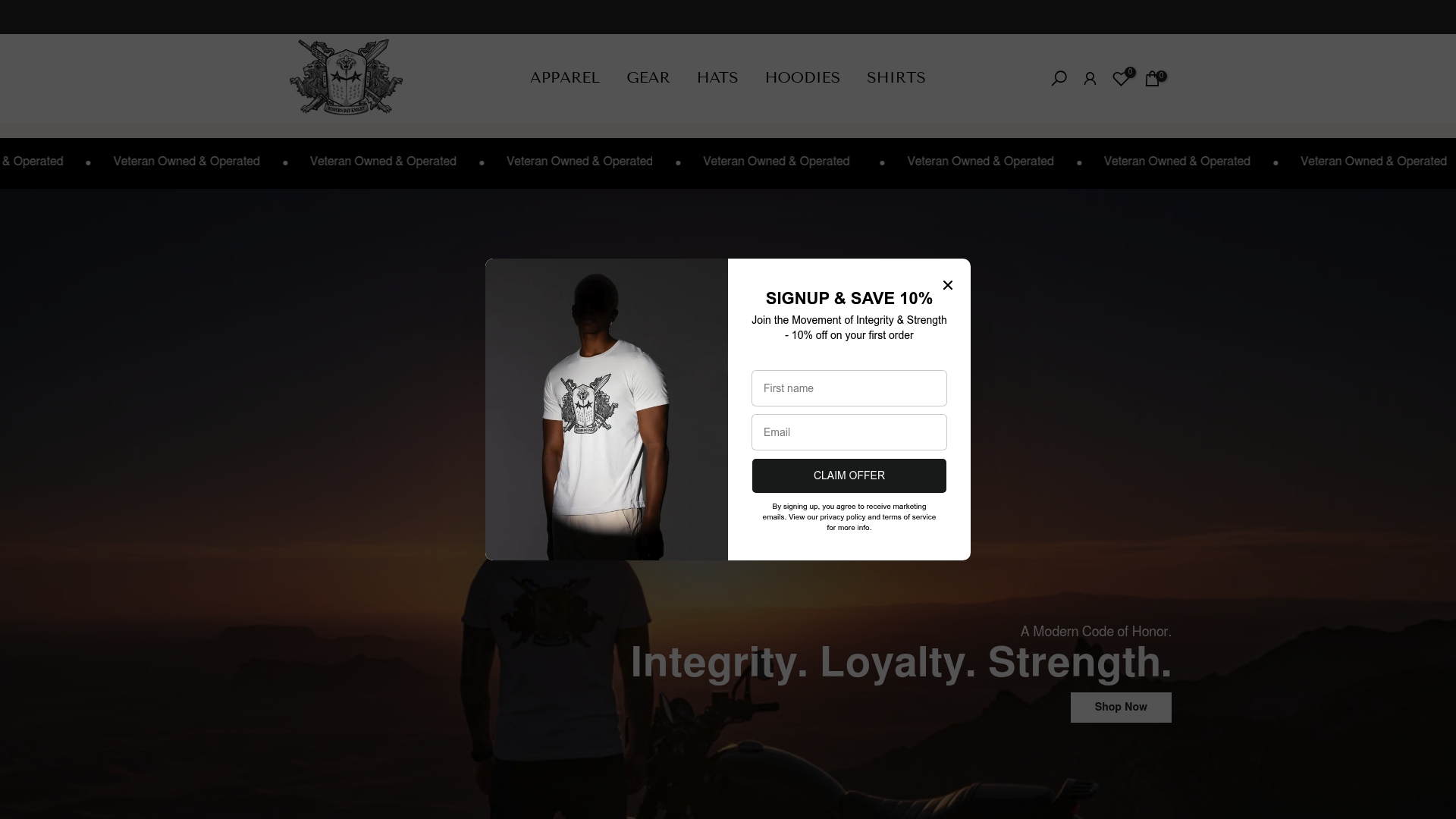
Whether you are building out a wardrobe for daily wear, outfitting a team, or looking for a shirt that carries a message worth wearing, Moderndayknightco’s collection is built with fabric weight, construction, and longevity in mind. Browse the full collection and find the shirt that fits your mission at Moderndayknightco.
Sources
- Study on polyester fabric washing and fibrous microplastics (MDPI)
- Thermo-physiological properties of polyester–cotton plated fabrics in relation to fibre linear density and yarn type
- ISO 12947-1:1998 - Textiles — Determination of the abrasion resistance of fabrics by the Martindale method — Part 1: Martindale abrasion testing apparatus
- Study measuring fiber shedding from different fabrics (Springer / Environmental Science report)


