



Clothing is an outward signal. When it matches your inward behavior, it carries weight. When it does not, it rings hollow. The role of integrity in clothing choices is simple but demanding: every piece you wear either reinforces your code or contradicts it. For veterans and supporters of the military community, that standard is not a style preference. It is a discipline.
- Choose with provenance in mind. Reach for items from veteran-owned brands with a clear founder story and an explicit values statement.
- Avoid anything that glorifies violence or misrepresents service. Shock imagery, unauthorized insignia, and false service claims all undermine the ethos you are trying to honor.
- Verify one trust signal before you buy. Check the product page for language like “veteran-founded,” “portion of proceeds to veteran causes,” or a named founder with documented service.
Key Takeaways
Integrity in clothing choices means your apparel must match your behavior, or the signal it sends is false.
| Point | Details |
|---|---|
| Integrity is a daily habit | U.S. Army doctrine ties integrity to living values consistently, not just knowing them. |
| Clothing shapes behavior | Enclothed cognition research shows apparel associated with a role measurably shifts a wearer’s sense of agency. |
| Provenance is the primary trust signal | A named founder with documented service separates genuine veteran brands from aesthetic borrowers. |
| Ethical pitfalls are avoidable | Avoid glorifying violence, misusing insignia, and apparel that implies unearned service status. |
| Moderndayknightco | A veteran-owned brand built on integrity, loyalty, and strength, with values-driven apparel for those who wear what they believe. |
Table of Contents
- What does integrity really mean in the warrior ethos?
- How does clothing actually change how you feel and how others see you?
- How do you choose apparel that honestly signals integrity?
- What ethical traps should you watch for in military-inspired apparel?
- How do you wear apparel so it reinforces your integrity?
- How do you validate a brand and connect with its community?
- The Modern Day Knight perspective on integrity in apparel
- Where to start with Moderndayknightco apparel
- Sources
What does integrity really mean in the warrior ethos?
U.S. Army doctrine defines integrity as uncompromising adherence to a code of moral values: doing what is right legally and morally, without external pressure to do so. Honor, in that same doctrine, is personal integrity maintained even when no one is watching. These are not abstract ideals. They are daily habits.
FM 7-21.13 connects the Warrior Ethos directly to Army core values (LDRSHIP: Loyalty, Duty, Respect, Selfless Service, Honor, Integrity, Personal Courage) and makes one point clear: integrity is developed by living the values, not merely knowing them. A soldier who knows the definition of integrity but cuts corners has none of it.
The Calvert Task Group’s SecNav memo on the Warrior Ethos frames that ethos as a persistent mindset, one whose outward expression includes appearance and comportment. Clothing, in that context, is not decoration. It is an extension of discipline. A veteran who carries that discipline into civilian life treats every apparel choice the same way they treated their uniform: deliberately, and with accountability.
How does clothing actually change how you feel and how others see you?
The psychological term is enclothed cognition. Research published in Frontiers in Psychology found that wearing clothing associated with a specific role measurably shifts a wearer’s sense of agency and related behaviors. You do not just look the part. You begin to act it.
Signaling theory adds the social dimension. Apparel communicates group membership, values, and authority cues to everyone around you before you say a word. Research on military uniforms confirms that uniformed dress creates conformity, signals role and rank, and can inculcate values through the act of wearing. Civilian apparel works on the same principle, at a lower intensity.
Two practical examples show how this plays out:
- A veteran wearing a subdued, values-driven tee from a veteran-owned brand often reports a quiet sense of continuity with their service identity. The garment reinforces who they are, not just who they were.
- A civilian observer reading overt, aggressive military imagery on a stranger’s shirt tends to register threat or performance. Subtle, principled design reads as character. Loud shock imagery reads as theater.
The warrior spirit in everyday apparel works precisely because it is understated. Restraint is itself a signal of discipline.
How do you choose apparel that honestly signals integrity?
Use this checklist before you buy. Each item is a filter, not a suggestion.
- Veteran-owned provenance. The brand should name its founder and document their service. “Veteran-inspired” is marketing. “Veteran-founded” with a named person is evidence.
- Explicit values statement. Look for a published code of honor, mission statement, or brand manifesto that names specific values: loyalty, integrity, strength, duty.
- Sober, subtle symbolism. Designs that reference service without glorifying combat. Unit crests, values-driven phrases, and understated graphics carry more weight than graphic violence.
- Quality and durability. Integrity in materials mirrors integrity in character. A garment that falls apart after three washes signals that the brand’s commitment is surface-level.
- A clear giving-back link. Phrases like “portion of proceeds to veteran causes” or a named partner organization show the brand puts resources behind its stated values.
- Accurate labeling. No false service claims, no unauthorized rank insignia, no implication that wearing the item confers military status.
Pro Tip: Search the brand’s “About” page for a named founder and a specific branch or unit. If the founder story is vague (“inspired by military values”) with no named person and no service dates, treat that as a yellow flag. Authentic provenance is specific, not atmospheric.
Research on veteran lifestyle branding confirms that founder service stories and mission-driven design are the primary trust signals that distinguish genuine veteran brands from brands that borrow the aesthetic for commercial gain. Specificity is the tell.
What ethical traps should you watch for in military-inspired apparel?
Not every military-aesthetic product honors the ethos it borrows. Some actively undermine it. Academic research from the Costs of War Project warns that militarized fashion can normalize and glamorize warfare, sanitizing real violence behind a marketable aesthetic.
| Pitfall | What it looks like | Why it matters |
|---|---|---|
| Glorifying violence | Graphic imagery of combat casualties, weapons fetishism, “kill count” slogans | Trivializes real sacrifice; repels veterans who lived it |
| Misuse of rank or insignia | Unauthorized use of rank tabs, unit patches, or medals on civilian apparel | Borders on stolen valor; disrespects earned distinctions |
| Cultural appropriation | Adopting Indigenous warrior symbols or non-U.S. military iconography without context | Reduces sacred traditions to costume |
| Commercializing trauma | Branding that profits from PTSD, combat loss, or service wounds as shock content | Exploits rather than honors |
| Stolen valor signals | Apparel implying active service or awards the wearer did not earn | A legal and ethical violation of trust |
Red-flag test: If a product’s primary appeal is how dangerous or aggressive it looks rather than what it stands for, put it back.
How do you wear apparel so it reinforces your integrity?
Clothing is only half the signal. Behavior is the other half. A garment that projects honor while its wearer acts dishonorably is a contradiction, and people notice.
- Do wear modest insignia and be ready to explain its meaning when asked. Knowing the story behind what you wear is part of wearing it with integrity.
- Do match your comportment to your message. A tee that says “loyalty” means something when you show up for your people. It means nothing when you do not.
- Don’t wear veteran-themed apparel to claim authority you have not earned. Supporters are welcome in this community. Impersonators are not.
- Don’t wear high-profile military graphics in contexts where they create friction without purpose, such as formal civilian settings or international travel where the imagery may be misread.
Two quick scripts for real situations: If someone asks about a values-driven graphic, say, “It represents a code I try to live by.” If someone asks whether you served, answer honestly. The garment does not serve for you. You do.
Situational awareness matters. Guidance on honoring service through clothing is clear on this: respectful use of symbols means knowing when a symbol fits the room and when it does not.
How do you validate a brand and connect with its community?
Trust signals are verifiable. Here is where to look and what counts as sufficient evidence.
| Trust signal | Where to find it | Minimum acceptable evidence |
|---|---|---|
| Veteran-owned | “About” page or footer badge | Named founder with branch and service period |
| Giving-back program | Product page or dedicated page | Named nonprofit partner or stated percentage |
| Material quality | Product description | Fabric weight, construction specs, or warranty |
| Community endorsement | Reviews, social media, veteran forums | Organic mentions in veteran-specific spaces |
| Values statement | Brand manifesto or “Our Mission” page | Named values with explanation, not just slogans |
Beyond the product page, community is its own proof. Veteran apparel functions as an “invisible handshake” that lets veterans identify each other and ease the friction of civilian transition. Veteran forums, unit reunions, and community events are where you see which brands actually show up and which ones only show up in ads. A brand that sponsors a ruck march or donates to a veterans’ service organization has skin in the game. One that only posts patriotic graphics does not.
Lifestyle apparel that builds community around shared values creates something more durable than a product line. It creates belonging.
The Modern Day Knight perspective on integrity in apparel
We built Moderndayknightco around one conviction: a garment that does not stand for something stands for nothing. Every design we put out carries a values statement, not just a graphic. Our founder’s service is not a marketing footnote. It is the reason the brand exists and the standard every product is held to.
Integrity in apparel is not about looking the part. It is about being the part, consistently, in every choice you make. The warrior ethos does not clock out when you change clothes. It shows up in how you carry yourself, how you treat people, and yes, in what you choose to put on your back. Clothing that reflects your code is a daily reminder of who you are committed to being.
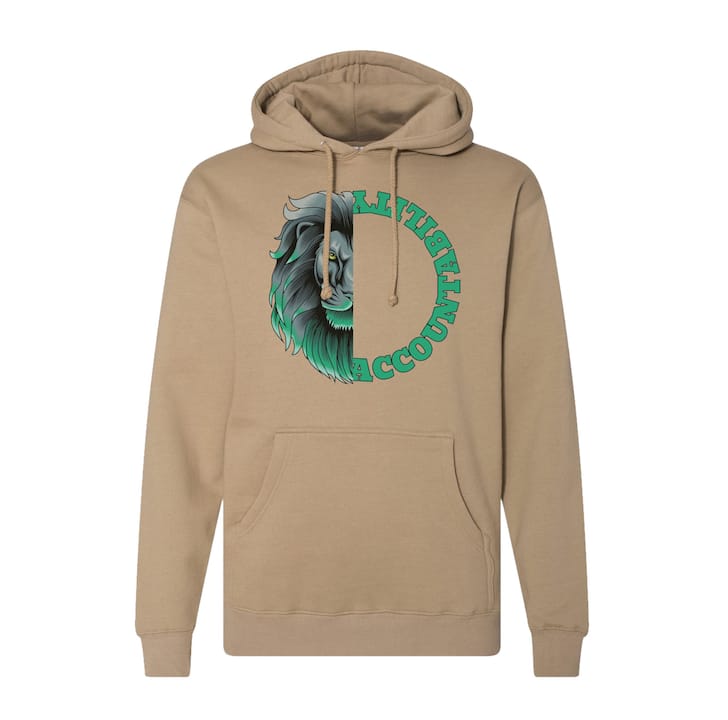
For deeper reading on how these values translate into design and community, explore our posts on military-inspired apparel as a lifestyle statement and why the warrior ethos appeals beyond military life.
Where to start with Moderndayknightco apparel
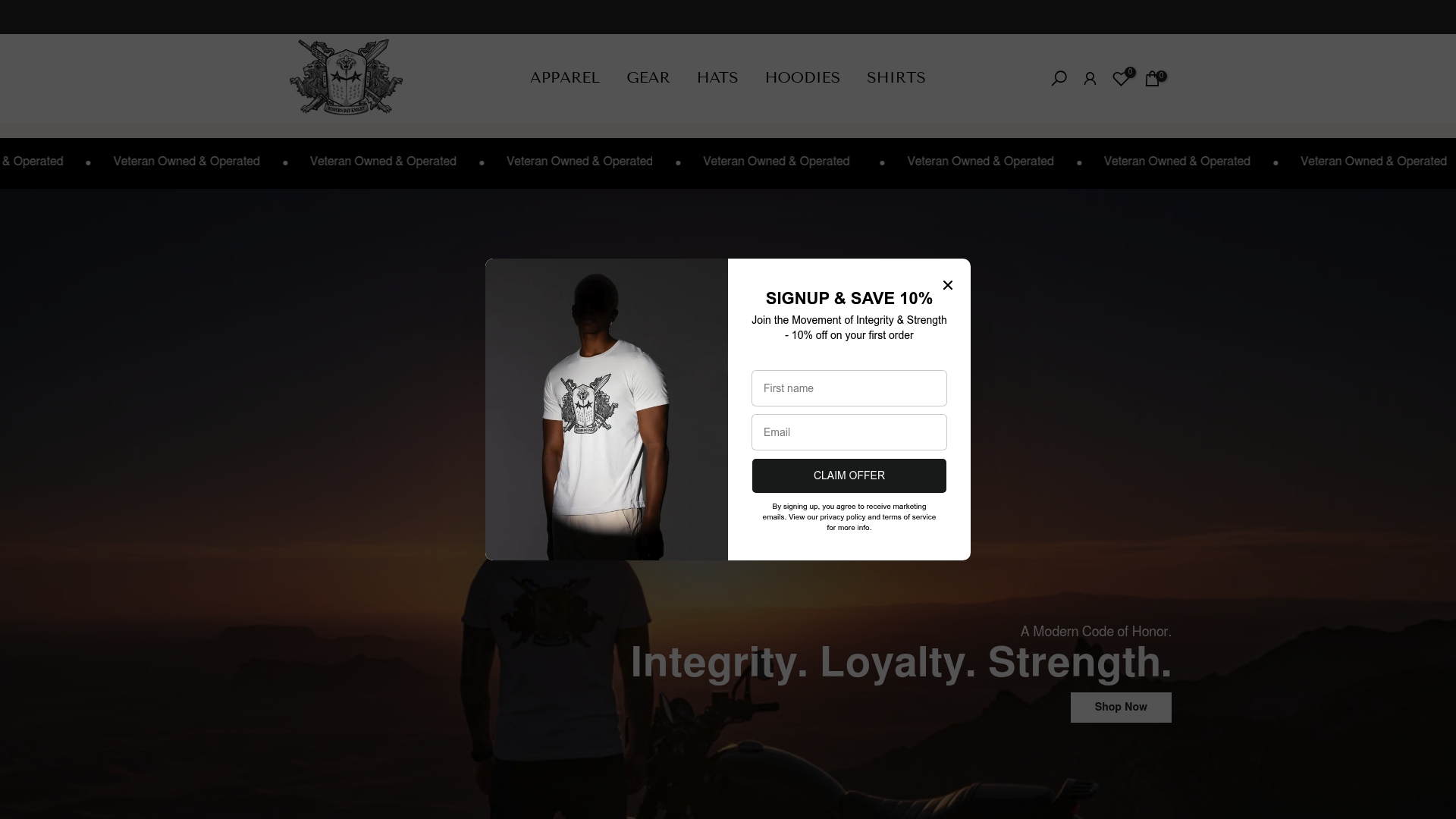
Moderndayknightco offers a direct path for veterans and supporters who want apparel that earns its message. A values-driven tee is the right starting point: low commitment, daily wear, and a clear statement of what you stand for. A durable hoodie carries the same code into colder months. A modest patch hat is the subtlest signal in the lineup, the kind that reads immediately to those who know and says nothing to those who do not.
Every piece in the Modern Day Knight apparel collection is built on the trust signals this article outlines: veteran-owned provenance, explicit values messaging, and quality that matches the commitment the brand asks of its community. Browse the collection and apply the checklist from this article to every product page you visit.
Sources
- USARCENT Standards Book (Honor, Integrity definitions)
- Enclothed cognition study (Frontiers in Psychology)
- Calvert Task Group — SecNav memo, Warrior Ethos
- The Militarization of Fashion (Costs of War Project)


